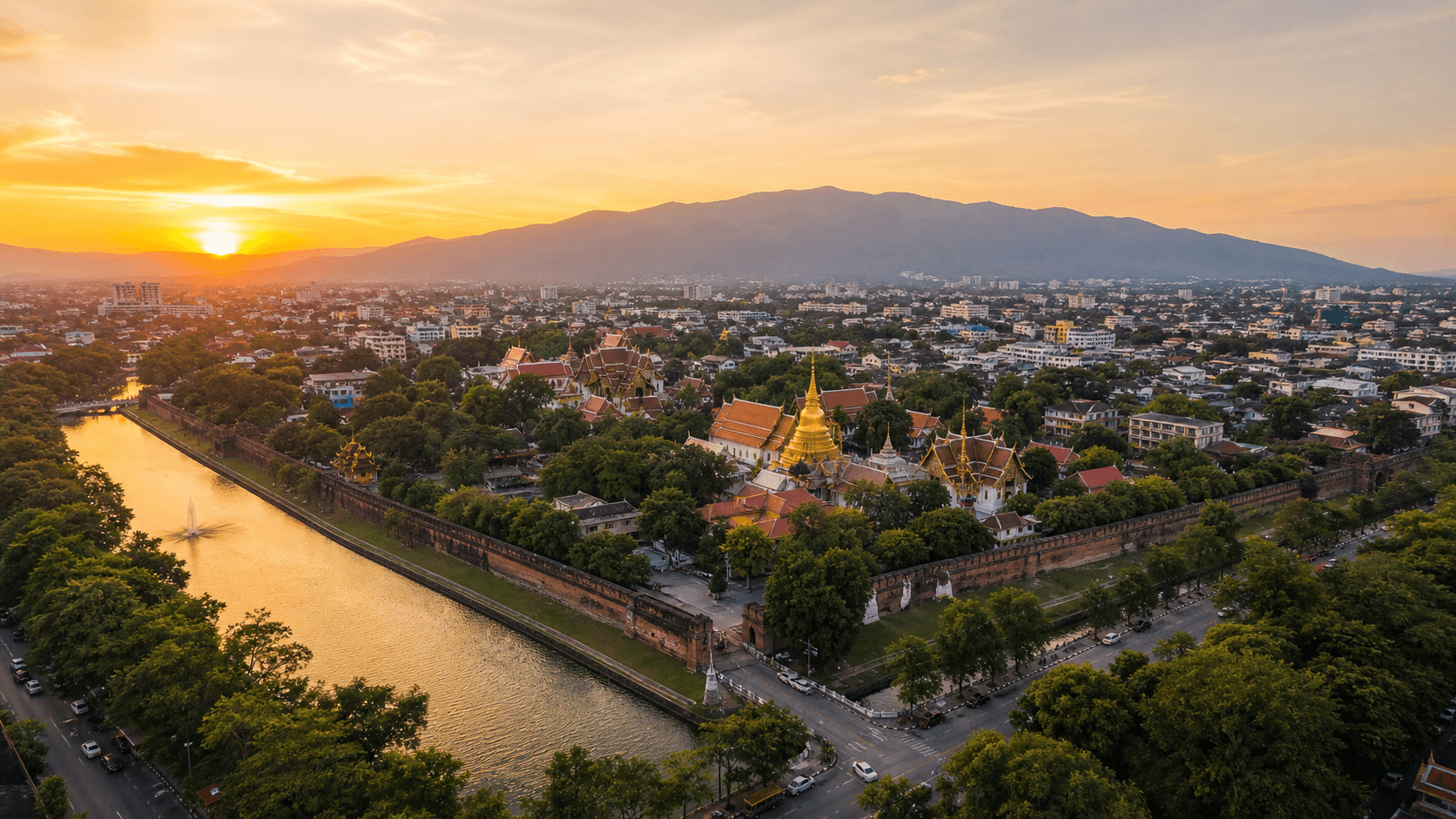
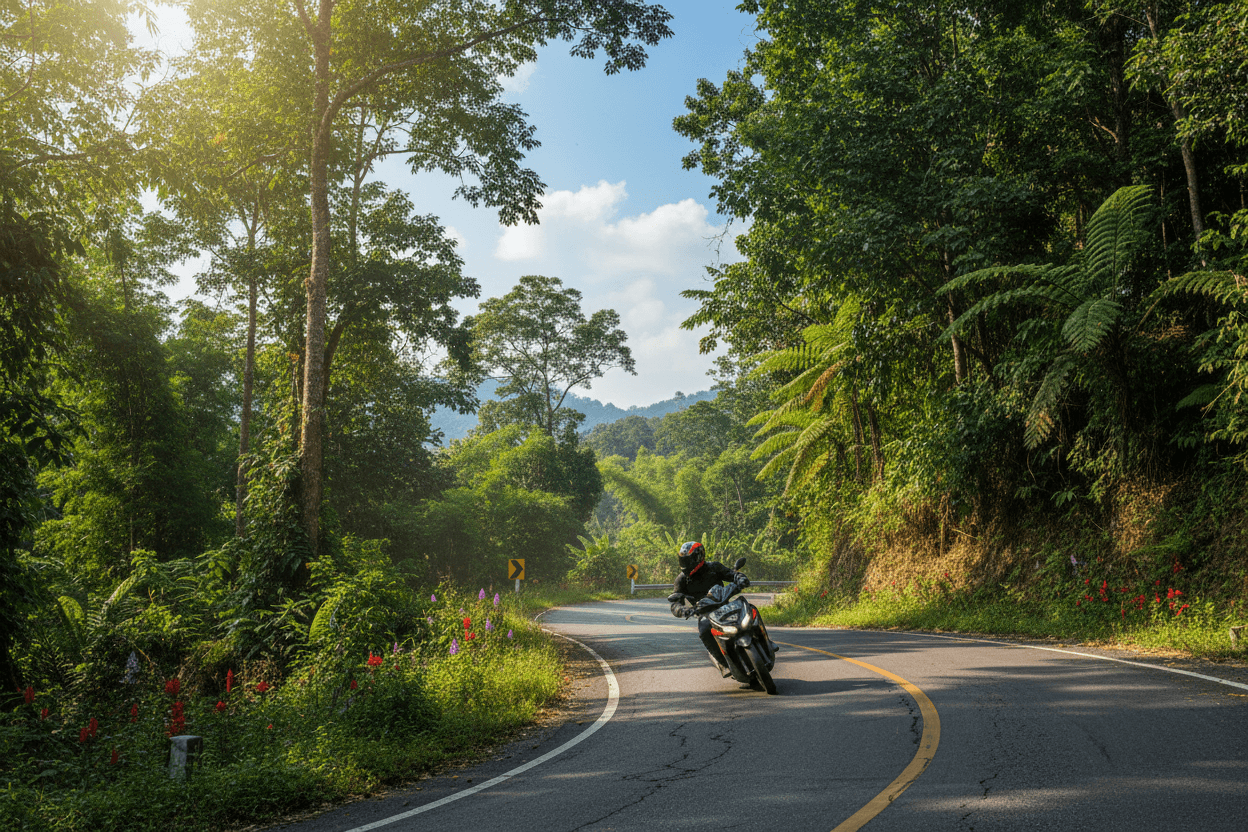
When to visit Chiang Mai depends on your traveller profile, not the calendar. Digital nomads should target November-February (PM2.5 under 50 µg/m³, 25-30°C cafe-friendly days, 70-130 THB/day monthly scooter rates from Nimman or Santitham). Families with kids should book December-January (lowest haze, fleece-tolerable Doi Suthep climbs at 1,073 m). Motorcycle tourists chasing northern Thailand's headline loop (600 km, 1,864 curves) want late November through mid-February for dry tarmac. Festival-chasers split between November (Yi Peng full moon) and April (Songkran). Budget travellers should ride June-October monsoon for 30-50% cheaper accommodation. Rent a 150-300 THB Honda Click 125 from any Tha Phae Gate shop in any month; only the kit and the daily plan rotate.
Key Takeaways
- Digital nomads: target November-February for 25-30°C cafe-terrace weather, PM2.5 under 50 µg/m³, and 70-130 THB/day monthly Honda Click 125 rates from Nimman and Santitham long-stay shops; avoid March-April when 200+ AQI shuts coworking-balcony hours.
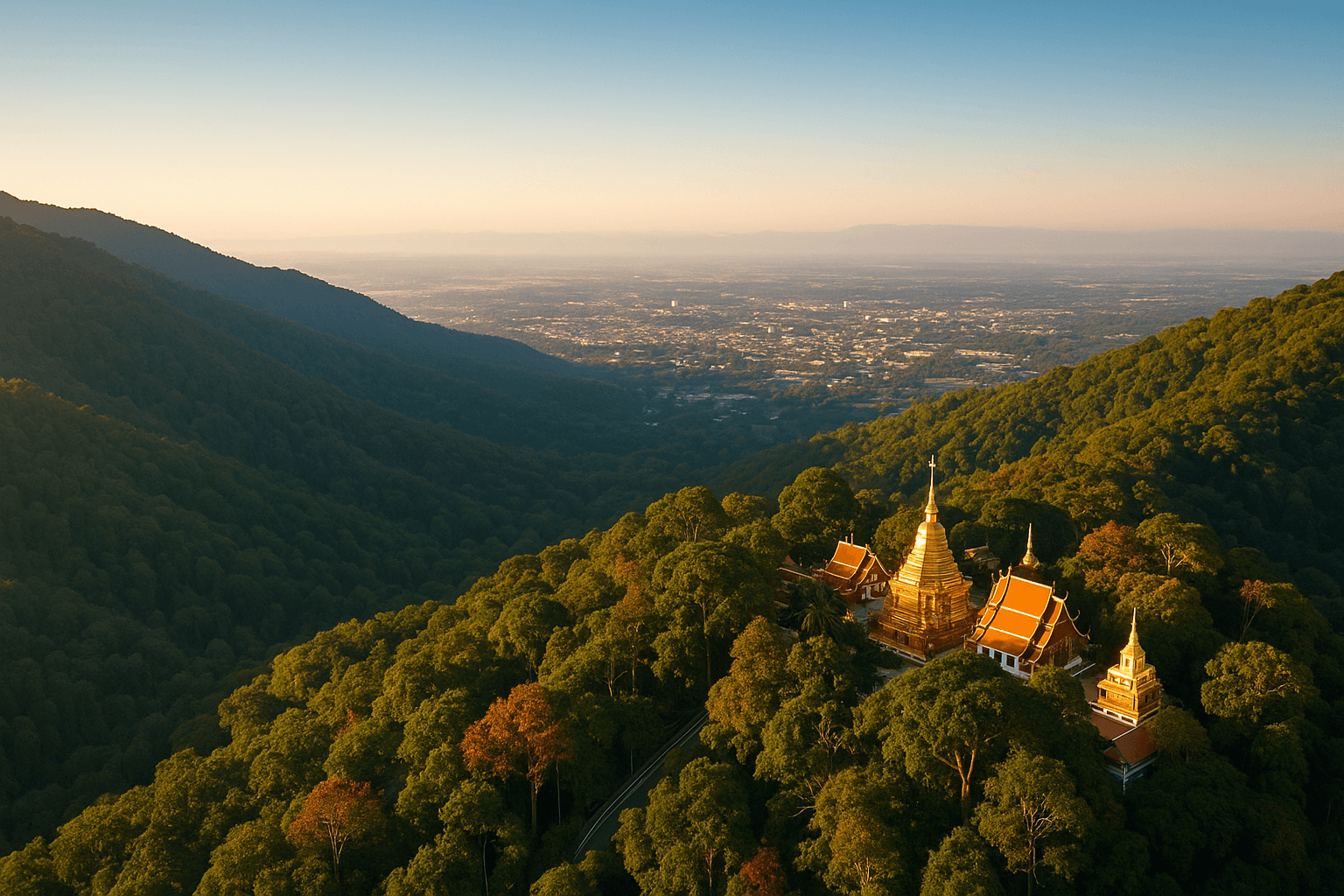
- Families with young kids: book December-January for the cleanest air (PM2.5 30-55 µg/m³), the coolest temperatures (13-18°C nights), and dry switchbacks on the 16 km Wat Phra That Doi Suthep climb (Route 1004); a 250-450 THB Honda PCX 160 covers two-up family rides.
- Motorcycle tourists: aim late November through mid-February for dry tarmac on the 600 km loop (1,864 curves on Routes 1095 and 108) and the 130 km Pai Loop (762 curves on Route 1095); Honda CB500X big-bike rentals run 1,200-2,000 THB/day.
- Cultural travellers and food tourists: any month works for Old City temples and the Chiang Mai Street Food Guide walks; pair the trip with rainy-season pricing (June-October) for 20-40% off accommodation and 25% off cooking-class tickets.
- Festival-chasers: choose November (Yi Peng full moon, lantern release on the Ping River) for the photogenic peak, or April 13-15 (Songkran water festival) if you accept the burning-season haze plus 8,000-20,000 THB CVT-seizure repair risk on rented 125cc scooters.
- Budget travellers: ride June-October for 150-200 THB/day Honda Click 125 floor rates, 200-300 THB hostel beds at Stamps Backpackers, and 25-40% off ethical-elephant-sanctuary tickets; plan morning-bias rides around the 14:00-17:00 thunderstorm window.
Digital nomads: target Nov-Feb cool season for clean air and cafe weather
Digital nomads should book Chiang Mai for November to February. This is the only window where PM2.5 stays reliably under 50 µg/m³ across Nimman, the Old City moat, and Santitham, the three coworking clusters. Daytime temperatures sit at 25-30°C with 50-60% humidity, perfect for cafe-terrace coding sessions; evenings drop to 13-18°C, light-fleece-comfortable for the Sunday Walking Street stroll. The fibre-internet backbone runs the same speed year-round, but coworking productivity drops sharply when the March-April burning season pushes AQI above 150 and forces indoor-only days.
Rental economics favour the long-stay nomad in cool-season Chiang Mai too. A 125cc Honda Click on a monthly contract from a Nimman or Santitham shop drops the effective per-day rate to 70-130 THB, half the four-day-tourist rate at Tha Phae Gate. Reach by motorbike from any Nimman coworking spot to a Mae Sa Valley waterfall for an afternoon: 25 km on Route 107, 35-minute ride, 30-40 THB of fuel each way; the Chiang Mai motorbike rental guide covers the full Nimman fleet. The trade-off is demand: November-February pushes the 125cc Click toward the 250-300 THB short-term ceiling, so commit to the monthly contract early. Yi Peng / Loy Krathong week (November full moon) needs accommodation 2-3 months ahead; the Chiang Mai Old City guide maps the festival-week pedestrian zones.
The second-best window for nomads is October. Rain tapers in the second half of the month, PM2.5 readings drop to 25-50 µg/m³ as the rains rinse the lower atmosphere, and Honda Click 125 monthly rates still sit at the off-peak floor (60-100 THB/day effective). The window to skip is March 1 through April 20: burning-season haze plus Songkran water-bucket damage to the rental, plus the 35-40°C heat that turns most cafe terraces into indoor-only spaces. Rebook to May or November.
Families with kids: book Dec-Jan for the cleanest air and gentlest temperatures
Families with young children should book Chiang Mai in December or January. Daytime temperatures sit at 25-28°C (T-shirt and shorts, no heat exhaustion on the Doi Suthep stairs), nights drop to 13-18°C (long sleeves at the Saturday Walking Street), and PM2.5 readings stay at 30-55 µg/m³ (the WHO "good" band, safer for small lungs than the 150-300 burning-season range). January is statistically the cleanest month of the year for air; December is the coolest. Both months deliver clear panoramas from the Wat Phra That Doi Suthep summit (1,073 m on Route 1004) without haze obscuring the city-floor view.
The family riding plan favours a step-up bike. A 125cc Honda Click handles flat Old City moat errands and short Doi Saket day-trips, but the 16 km climb to Doi Suthep with a parent + small child + day pack feels under-powered on the long switchbacks. Pay the 100-150 THB premium for a Honda PCX 160 or Yamaha NMAX (250-450 THB/day) for two-up family touring. Reach by motorbike to the ethical elephant sanctuary clusters in Mae Taeng (60 km on Route 107, 90-minute ride, 100 THB of fuel each way) takes a half-day with kids; the Top 10 Waterfalls Near Chiang Mai has shorter Mae Sa runs that suit a 2-hour family loop.
The window families should genuinely avoid is March-April. The 35-40°C heat plus 150-300 µg/m³ PM2.5 makes outdoor-anything difficult with kids, and pediatric respiratory clinics in Chiang Mai see a haze-season spike in admissions. Songkran (April 13-15) is fun for older kids but the continuous water fights at every Old City gate are intimidating for under-fives. June-October monsoon is workable for families if you accept the 14:00-17:00 storm window and bias the day around morning rides; the Chiang Mai Travel Guide 5-Day Itinerary plans around exactly this rhythm.
Motorcycle tourists: aim late Nov through mid-Feb for the showcase loops
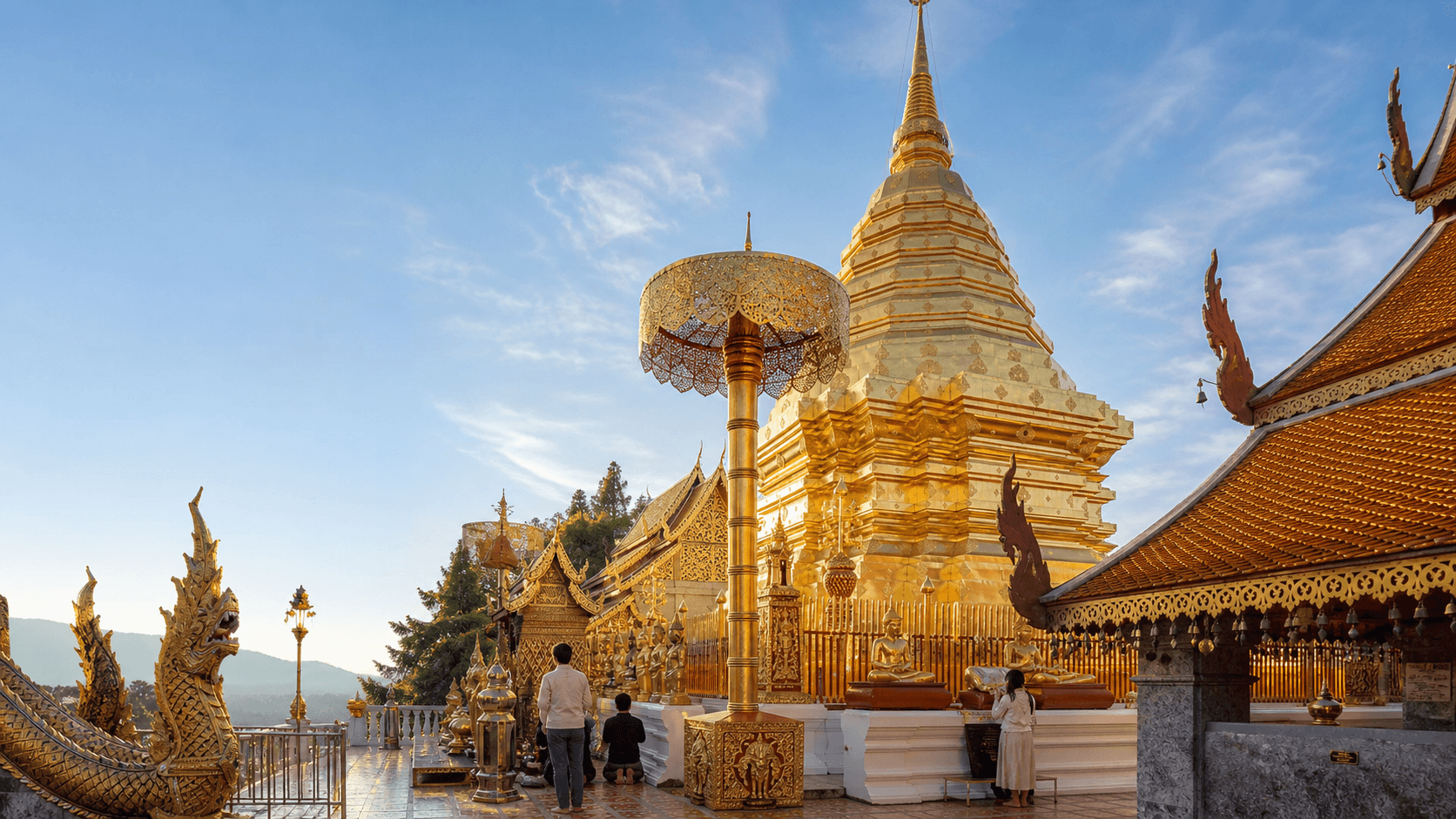
Motorcycle tourists should book Chiang Mai for late November through mid-February. This is the only window where the 1,864-curve route (600 km across Routes 107, 1095, and 108), the 130 km Pai Loop (762 curves on Route 1095), and the 100 km Samoeng circuit on Routes 107, 1096, and 1269 all run on dry tarmac with full visibility. Cool-season air is denser, so engine power on long climbs feels stronger; 13-18°C dawn temperatures allow proper jacket-and-glove riding without sweating into the helmet. The Doi Inthanon summit (2,565 m on Route 1009) sits above the haze layer in this window, delivering the unobstructed northern Thailand panorama the brochures promise.
Bike-class economics scale up for serious touring. A 125cc Honda Click is fine for the Old City moat, but the Mae Hong Son Loop's 1,864 curves and 1,500 m elevation swings demand engine-braking torque a Click cannot reliably deliver on long descents. A 250-300cc manual (Honda CRF300 Rally, Kawasaki Versys-X 300, Honda CB300R) at 500-1,200 THB/day is the right tool for the full loop; a Honda CB500X or Kawasaki Versys 650 at 1,200-2,000 THB/day suits two-up multi-day touring with luggage. The Big Bike Rental Chiang Mai Thailand post covers the specialist Pop Big Bike and Kotchasarn-Road shops; expect 5,000-10,000 THB cash deposit on a 500cc-plus rental.
The window touring riders should genuinely skip is March 1 through April 20. Visibility on the Route 1095 climb to Pai drops below 1 km on bad burning-season days; the Doi Inthanon summit panorama disappears into white-grey haze for weeks at a time, gutting the scenic justification of the climb. Songkran (April 13-15) layers a CVT-water-damage hazard on top of the heat. The second-best window for touring is late October to mid-November (post-monsoon, pre-haze, accommodation still off-peak); the third-best is mid-May to mid-June (post-burning, pre-monsoon, hot but ridable on early-morning starts).
Cultural travellers and food tourists: any month works, pair with rainy-season pricing
Cultural travellers and food tourists should pair Chiang Mai with the rainy season for the best value. Old City temple visits (Wat Chedi Luang, Wat Phra Singh, Wat Sri Suphan), Saturday Walking Street, Sunday Walking Street, the Warorot Market night-shopping run, and the Chiang Mai Street Food Guide walk are all weather-tolerant: roofed temples, covered markets, and indoor cooking-class kitchens insulate the day from afternoon thunderstorms. June-October cuts boutique-hotel rates 20-40% and Stamps Backpackers dorm beds 30-50%, while the Chiang Mai cooking class guide operators discount 10-25% to fill rainy-season slots.
Reach by motorbike for the cultural-loop day works in any season. The 8 km Old City moat ring (one-way clockwise inside, anti-clockwise outside) takes 30-45 minutes by 125cc Honda Click and threads Wat Chedi Luang, Wat Phra Singh, Tha Phae Gate, and the Sunday Walking Street starting point. Park inside the temple courtyards for 20 THB (cheaper and safer than street parking, which gets ticketed by the Royal Thai Police on Ratchadamnoen Road). For the Chiang Mai night markets guide loop, ride evenings only; Saturday Walking Street pedestrianises Wualai Road from 16:00, so park on the moat side and walk in.
The cultural-traveller window to actively avoid is February 1 through April 30 if you have any respiratory sensitivity. PM2.5 readings climb past 150 µg/m³ from late February and stay there through April; the Sunday Walking Street and Warorot Market are both partial open-air settings where mask-wearing becomes mandatory. Songkran (April 13-15) closes most of the moat to traffic and turns the cultural circuit into a water fight; great fun for the festival, but a write-off for normal temple-touring.
Festival-chasers: split between Yi Peng (Nov) and Songkran (April)
Festival-chasers should split between Yi Peng (November full moon) and Songkran (April 13-15), with Yi Peng winning on weather and Songkran winning on intensity. Yi Peng releases thousands of paper lanterns into the night sky over the Ping River and the Old City moat, paired with Loy Krathong banana-leaf floats on the same night. The 2026 full moon falls November 24-25, and accommodation inside the Old City moat sells out 2-3 months ahead at 3-5x normal rates. Cool-season weather (25-30°C, PM2.5 under 50 µg/m³) plus dry tarmac make the festival rideable; the Yi Peng Lantern Festival in Chiang Mai post covers the release sites and crowd patterns.
Songkran (April 13-15) is Thailand's New Year and manifests in Chiang Mai as a continuous three-day water fight across the Old City moat. The intensity is unmatched anywhere in the country, and Tha Phae Gate is the epicentre: pickup-truck water cannons, hose-pipe street battles, and ice-bucket ambushes from sunrise to sunset. The trade-offs are severe though: 35-40°C heat, 150-300 µg/m³ PM2.5 from the still-running burning season, and the CVT-seizure risk that Chiang Mai shops report every April (8,000-20,000 THB repair bills debited against the cash deposit when ice-bucket water hits a 125cc air intake). The Thailand Motorbike Safety New Year post covers Songkran-specific rental risks.
The third-tier festival pick is the Chiang Mai Flower Festival on the first weekend of February (6-8 February 2026): elaborate floral parades on Charoen Muang Road, smaller crowds than Yi Peng, and cool-season weather. The Chinese New Year peak (February 17, 2026) adds a fourth demand bump. For festival-chasers willing to trade haze risk for unique cultural moments, the late-February to early-March Bo Sang Umbrella Festival in San Kamphaeng (15 km east of the Old City on Route 1006) is the off-radar pick.
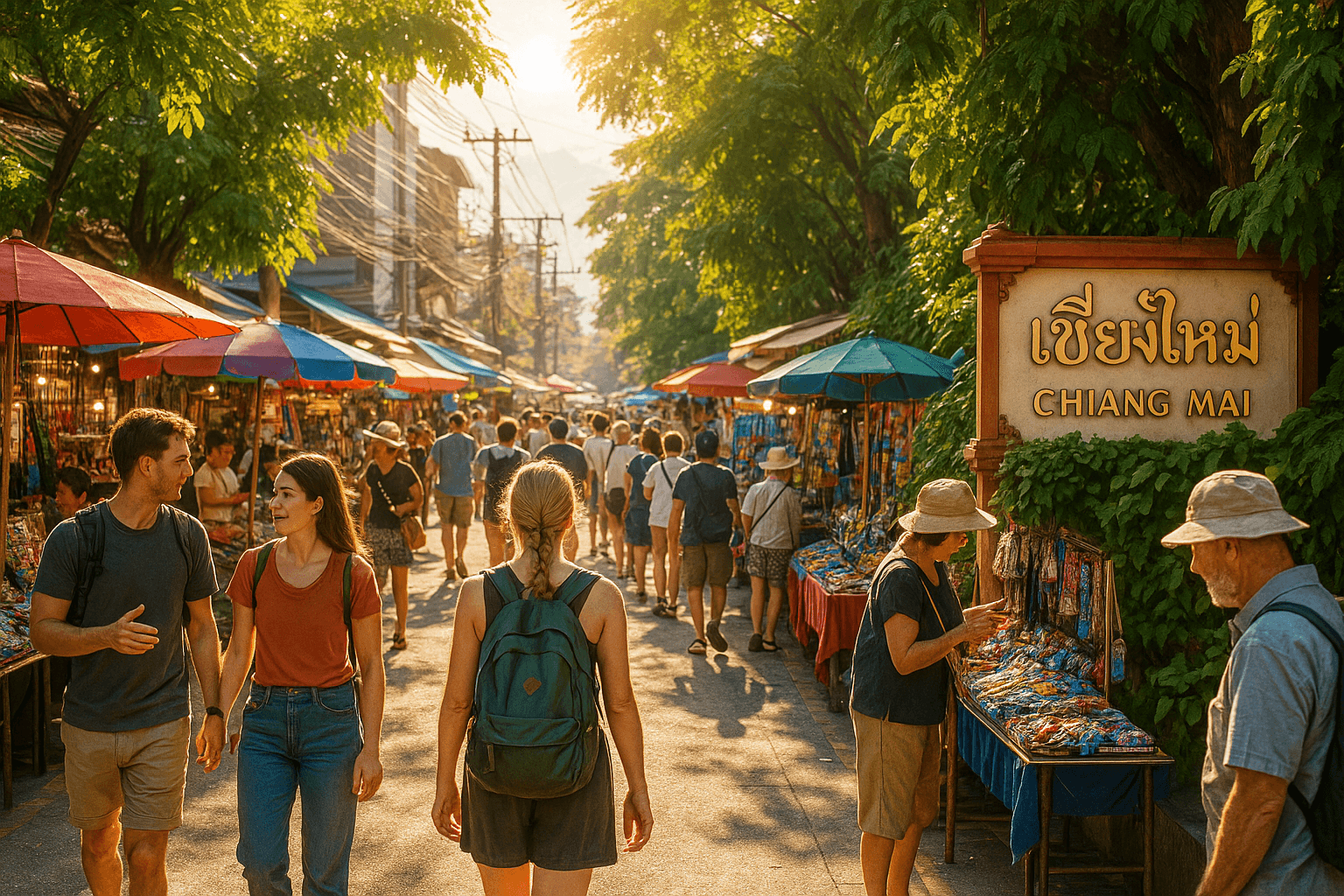
Budget travellers: ride Jun-Oct monsoon for 30-50% cheaper accommodation
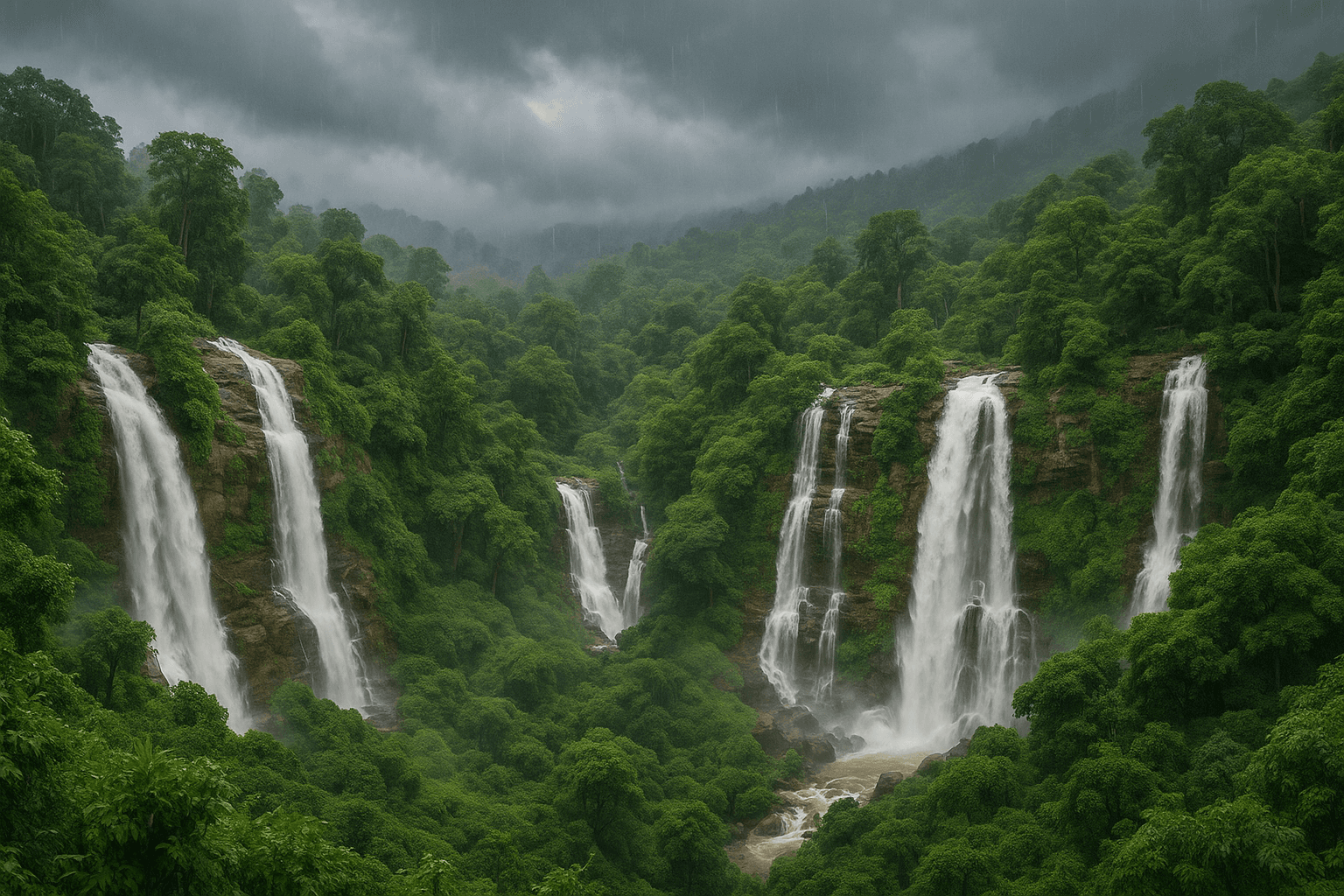
Budget travellers should book Chiang Mai for June through October. This is the cheapest, greenest, and least-crowded window of the year. Hostel beds at Stamps Backpackers and Bann Hostel drop from the 350-450 THB peak to 200-300 THB; mid-range Nimman boutique hotels cut 20-40%; Honda Click 125 walk-in rates drop to the 150-200 THB off-peak floor at Tha Phae Gate and Moonmuang Road. The Chiang Mai Budget Travel Guide lands a comfortable rainy-season day at 1,200-1,800 THB total versus the 2,500-3,500 THB cool-season equivalent.
The riding plan that works in monsoon is morning-bias. Leave the Old City by 08:00 on a 125cc Honda Click, complete the Mae Sa Valley waterfall loop (40 km on Route 107, 90 minutes one-way) by 13:00, lunch in Mae Rim or Hang Dong, return by 14:00 before the storm window opens. Reach by motorbike to Bua Tong Sticky Falls in 60 km / 90 minutes via Route 1001 (the limestone cascade is at peak flow June-September); the Top 10 Waterfalls Near Chiang Mai is the single best rainy-season route menu. Fuel is cheap year-round at 35-40 THB per litre; a full Click tank costs 150-180 THB and covers two long loop days.
The compromise budget travellers accept is the Doi Inthanon trade-off. The 2,565 m summit at the top of Route 1009 sits inside low cloud most rainy-season days, and the summit boardwalk is often closed for safety; the Doi Inthanon National Park guide covers the seasonal closure pattern. The Pai Loop on Route 1095 is rideable but slick in the famous 762 curves, and engine-braking matters more than horsepower; pay the 250-450 THB premium for a Honda PCX 160 or Yamaha NMAX over the 150 THB Click if Pai is on the itinerary. The Chiang Mai motorbike rental guide covers the seasonal bike-class step-up in detail.
Traveller profile vs season decision table
The fastest way to pick a Chiang Mai window is to map your traveller profile against riding conditions, accommodation cost, and ride budget for a verified-platform Honda Click 125 from any Tha Phae Gate or Nimman shop. The Chiang Mai motorbike rental guide holds the canonical 150-300 THB/day range for the 125cc class; what changes by traveller profile is the daily plan, the accommodation tier, and the bike-class step-up.
The "any" cell for cultural travellers is the genuinely under-rated pick. Old City temple-and-market days work in any month except peak burning season; pairing a culture-focused trip with rainy-season pricing turns 5,000 THB of cool-season accommodation into 3,000 THB of equally-comfortable rainy-season rooms. The window genuinely off-limits across every profile is March 1 through April 20: burning season plus Songkran plus 35-40°C heat plus 8,000-20,000 THB CVT-seizure risk on rented scooters. Rebook to May, November, or December.
How to ride Chiang Mai in any season
The bike-class question rotates with the season more than the rental rate does. In November-February cool season, a 125cc Honda Click at 150-300 THB/day covers the entire 5-day plan, including a two-up Wat Phra That Doi Suthep climb (16 km on Route 1004) in fleece weather; cool air is denser and the engine pulls harder on the long switchbacks. In March-May hot season, the same Click on the same climb at 38°C carries a 6-foot two-up rider less comfortably; pay the 250-450 THB premium for a Honda PCX 160 or Yamaha NMAX. In June-October rainy season, prefer the PCX 160 over the Click for the better front-tyre footprint on wet tarmac and the windshield protection from horizontal rain.
Route choice and fuel cost rotate seasonally too. The day-trip warm-up loop from Chiang Mai on Routes 107, 1096, and 1269 is a 4-5 hour ride costing 80-100 THB of fuel year-round, but the Mon Cham viewpoint at 1,300 m elevation is haze-obscured in March-April. The 212 km Doi Inthanon round-trip (Route 108 + Route 1009) is the showcase November-January ride; in June-September the upper Route 1009 above 1,500 m runs through low cloud and the summit boardwalk is often closed for safety. The 135 km Pai run on Route 1095 is doable year-round but the engine-braking-light corners are most forgiving on dry November-February tarmac. The Top 10 Scenic Motorbike Routes Around Chiang Mai post lists every loop ranked by season-suitability.
Document and checkpoint behaviour does not change by season. The fixed Royal Thai Police checkpoint on Huay Kaew Road climbing to Doi Suthep operates year-round, and the no-IDP and no-helmet fines stay at 500-1,000 THB each. Carry your home-country motorbike license, an International Driving Permit with the "A" (motorcycle) endorsement, and your passport every ride. The Thai license conversion process post covers the document checklist; the International Driving License Thailand post covers the IDP class differences and 6-step application flow. The rental waiver tiers reference walks through the four cover levels per traveller profile.
Frequently Asked Questions
Which traveller profile gets the most out of cool-season Chiang Mai?
Digital nomads and motorcycle tourists. Cool-season air (PM2.5 under 50 µg/m³, 25-30°C days, 13-18°C nights) is the only window that supports both cafe-terrace long-stay coding and the four-day Mae Hong Son ride on dry tarmac. Families with young kids come a close third for the same air-quality reason. November-February prices peak across all categories, so book accommodation 2-3 months ahead and the Chiang Mai motorbike rental 7-10 days ahead.
Should families with babies or toddlers visit Chiang Mai in burning season?
No. PM2.5 readings of 150-300 µg/m³ from late February through April are unsafe for small lungs; pediatric respiratory clinics in Chiang Mai see a documented haze-season admission spike. Rebook to December-January (cleanest air, 13-18°C nights), May (post-burning, pre-monsoon), or November (Yi Peng cool-season window). For any visit, carry N95-rated child masks and bias the day toward indoor cooking classes and roofed temples on AQI 100+ days.
Is Chiang Mai worth visiting during Songkran for festival-chasers?
Yes if you accept the trade-offs and skip the rented scooter for the festival peak. Songkran (April 13-15) is the most intense water-festival experience in Thailand, and Chiang Mai's Old City moat is the epicentre. The hazards are real: 35-40°C heat, 150-300 PM2.5 burning-season haze, and 8,000-20,000 THB CVT-seizure repair risk on rented 125cc bikes. Garage the rental for the three-day peak; walk or songthaew. Reputable shops will hold the rental days at no charge if you ask in advance.
Can budget travellers really save 30-50% by visiting in monsoon?
Yes. June-October cuts hostel beds at Stamps Backpackers from 350-450 THB to 200-300 THB, mid-range Nimman boutique hotels by 20-40%, Honda Click 125 walk-in rates from 250-300 THB to the 150-200 THB off-peak floor, and cooking-class tickets by 10-25%. The trade-off is the 14:00-17:00 thunderstorm window; bias the daily plan around morning rides (08:00 departure, 13:00 return) and indoor culture-focused afternoons. The Chiang Mai Budget Travel Guide covers the full rainy-season cost stack.
What month is best for the Mae Hong Son Loop on a rented bike?
Late November through mid-February. The 600 km loop on Routes 107, 1095, and 108 has 1,864 curves and 1,500 m elevation swings; cool-season dry tarmac is the only window that gives you full visibility, full grip, and engine-braking-friendly cool air. March-April burning-season haze drops Pai-Mae-Hong-Son visibility below 1 km on bad days; June-October monsoon makes the descents slick. Rent a 250-300cc manual (Honda CRF300 Rally, 500-1,200 THB/day) for the full loop; a 125cc Click is undergunned for two-up multi-day touring.
Is the Yi Peng lantern festival worth the November accommodation premium?
Yes for first-time festival-chasers. Yi Peng on the November full moon (24-25 November 2026) releases thousands of paper lanterns over the Ping River and the Old City moat; it is the most photogenic mass-event in Thailand. Old City accommodation runs 3-5x normal rates in the festival week and sells out 2-3 months ahead. Outside-moat stays in Nimman or Santitham cut the premium and add 5-10 minutes of riding to the lantern-release sites. Dates shift annually because of the lunar calendar; confirm before booking.
How does the rental rate change between traveller profiles?
The 150-300 THB canonical 125cc Honda Click range holds for short-stay tourists in every month, but long-stay rates split it. A digital-nomad monthly contract in Nimman or Santitham drops the effective per-day rate to 70-130 THB. Two-up family travellers should pay the 250-450 THB premium for a Honda PCX 160 or Yamaha NMAX. Motorcycle tourists on the Mae Hong Son Loop pay 500-1,200 THB for a 250-300cc manual or 1,200-2,000 THB for a Honda CB500X. The Chiang Mai motorbike rental guide holds the full bike-class breakdown.
Plan your Chiang Mai trip by traveller profile
The right Chiang Mai month depends on your traveller profile, not the calendar in isolation. Digital nomads and motorcycle tourists should book November-February (clean air, dry tarmac, 70-130 THB monthly Click rates from Nimman, 250-450 THB PCX 160 for two-up Doi Suthep climbs); families should target December-January (lowest haze for kids); cultural travellers and food tourists should pair the trip with June-October rainy-season pricing (30-50% off accommodation); festival-chasers split between Yi Peng (November full moon) and Songkran (April 13-15); budget travellers should ride monsoon mornings. Whichever profile fits, rent a 150-300 THB Honda Click 125 from any Tha Phae Gate or Nimman shop via Byklo, pair it with a fleece in cool season, an N95 in burning season, or a folding rain shell in monsoon, and the same scooter covers the Wat Phra That Doi Suthep climb (16 km on Route 1004), the Mae Sa Valley waterfall route (100 km), and the full 5-day Chiang Mai itinerary. Avoid March 1 through April 20 across every profile.
For wider Chiang Mai trip planning around the weather windows above, the Tourism Authority of Thailand Chiang Mai page covers transit, festivals, and the cool-season-versus-burning calendar at the provincial level.