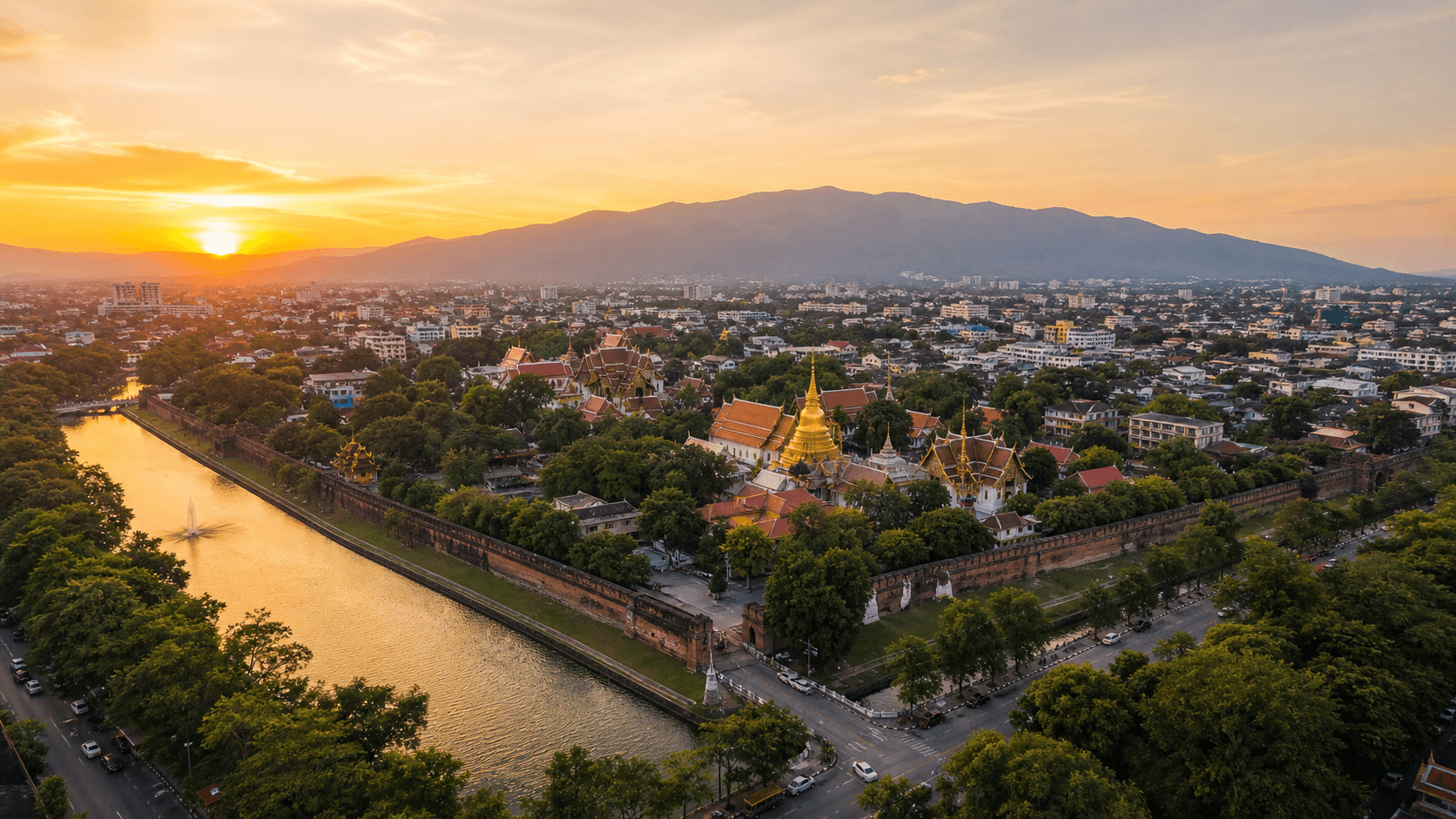
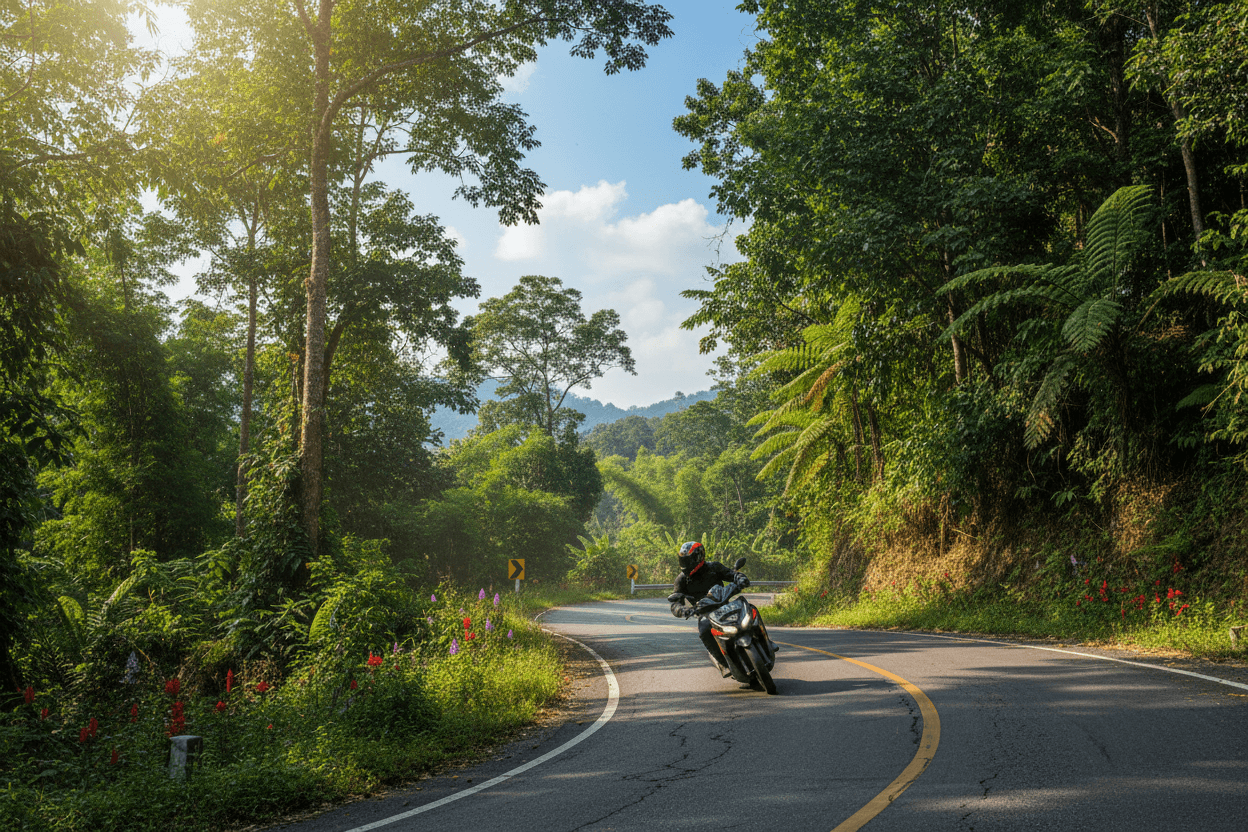
A Chiang Mai cooking class in 2026 runs 800-1,500 THB for a half-day session and 1,500-2,500 THB for a full-day class, including a Talat Tonpayom or Talat Warorot market tour, hand-grinding curry paste, and cooking 4-5 northern Thai dishes (khao soi, sai ua, gaeng hung lay, mango sticky rice, tom kha gai). Eight reputable schools cluster around the Old City moat, Nimman, and Mae Rim (8-15 km north on Highway 107), a 15-30 minute scooter ride from any Old City rental shop on a 150 THB/day Honda Click 125.
Key Takeaways
- Class price range: half-day 800-1,500 THB, full-day 1,500-2,500 THB, organic farm-based 1,500-2,000 THB. Booking direct with the school is 15-30% cheaper than Klook or Viator markups.
- Class duration: half-day classes run 3-4 hours; full-day classes run 6-8 hours including market tour, cooking, and the sit-down meal. Morning sessions start 08:00-09:00; evening sessions start 16:30-17:30 at Smart Cook in the Old City.
- Scooter access: Mae Rim farm schools (Thai Farm Cooking School, Smile Organic) sit 8-15 km north of the Old City on Highway 107, a 15-30 minute scooter ride from any Tha Phae Gate or Nimman rental shop at 150-300 THB/day.
- Dishes taught: 4-5 dishes per class drawn from khao soi, pad thai, green curry, tom yum goong, tom kha gai, mango sticky rice, sai ua sausage, and som tum. Northern Thai specialties (khao soi, sai ua, gaeng hung lay) are the Chiang Mai signature.
- Top schools: Thai Farm Cooking School (Mae Rim), Asia Scenic (Old City), Mama Noi (Hang Dong), Smart Cook (Old City), Smile Organic Farm (Mae Rim), Khom Loy (Mae Wang), and Baan Thai (Old City) cover the price and style spectrum.
- Booking lead time: November to February peak season fills classes 1-2 weeks in advance; off-season (May-October) you can book 24-48 hours ahead at most schools.
How much does a Chiang Mai cooking class cost in 2026?
A Chiang Mai cooking class costs 800-1,500 THB for a half-day session and 1,500-2,500 THB for a full-day session in 2026, including hotel pickup, market tour, ingredients, instruction, the meal you cook, and a recipe book. Half-day classes teach 4 dishes in 3-4 hours; full-day classes teach 5-6 dishes plus a market tour and finish around 14:00. Organic-farm classes (Thai Farm Cooking School, Smile Organic) sit at the upper end (1,500-2,000 THB) because the farm grows its own herbs, lemongrass, and Thai eggplants on site. Direct booking through a school's own website is 15-30% cheaper than the same class on Klook, Viator, or GetYourGuide; the markup pays for the platform's marketing, not for a better class.
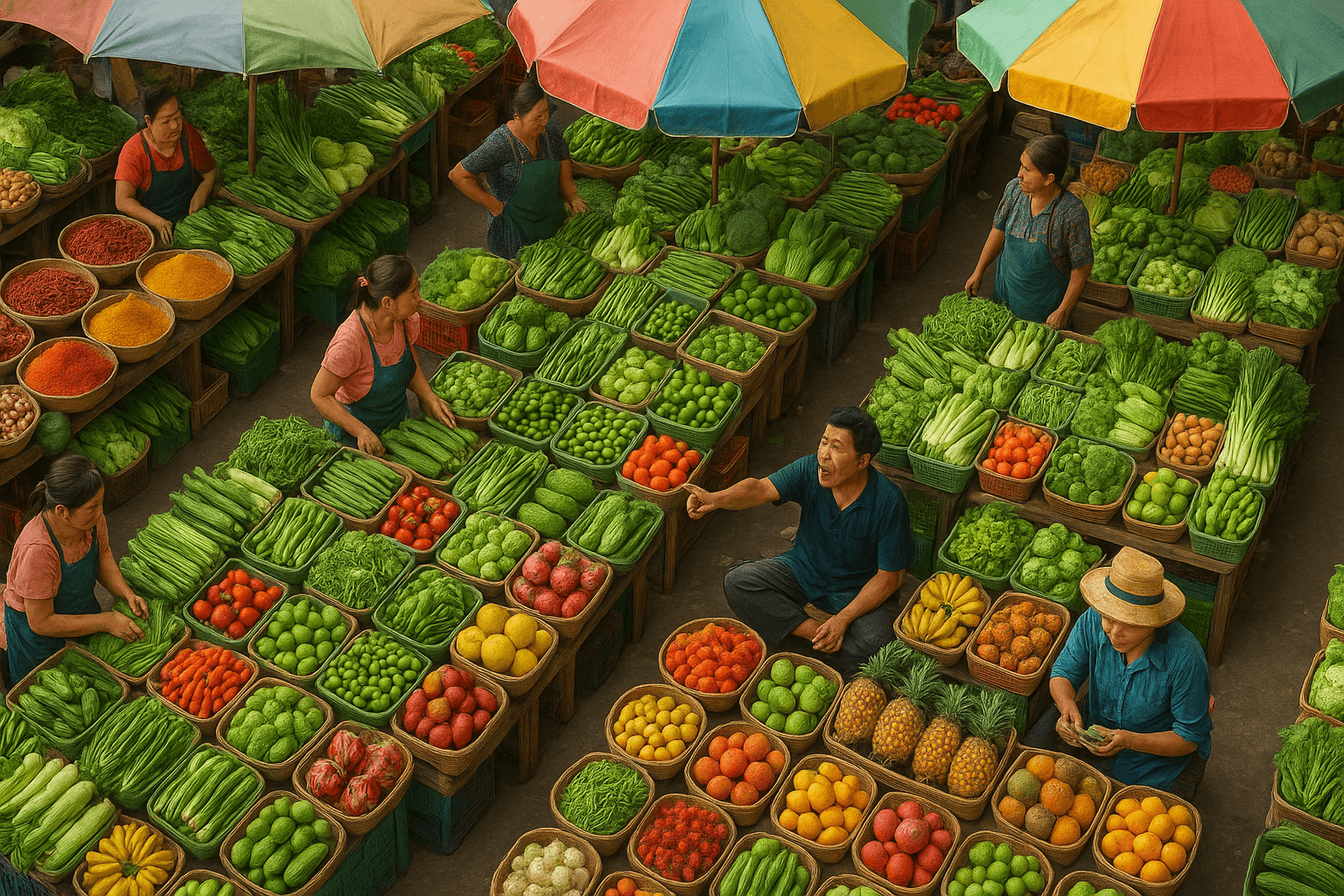
Full-day prices include a Talat Warorot or Talat Tonpayom market tour where the instructor walks the group through galangal, kaffir lime leaves, Thai bird chilies, and the difference between holy basil (kaprao) and Thai sweet basil (horapha). Ingredient knowledge is the part that travels home; the Chiang Mai Street Food Guide covers what those same ingredients become in the night-market vendors' hands. For the broader 5-day itinerary that pairs a cooking class with Doi Suthep, the Sunday Walking Street, and Mae Rim, see the Chiang Mai Travel Guide 5 Day Itinerary.
Half-day vs full-day vs farm-based: which class style fits?
A Chiang Mai cooking class splits into three formats: half-day (3-4 hours, 4 dishes, 800-1,500 THB) for travelers with a tight itinerary, full-day with market tour (6-8 hours, 5-6 dishes, 1,500-2,500 THB) for the immersive option, and full-day organic-farm (8 hours, 5-6 dishes, 1,500-2,000 THB) at Mae Rim or Mae Wang where the school grows its own herbs. The half-day class drops the market tour but keeps the hands-on cooking; the full-day class is the standard "cooking school" experience; the farm-based class adds a herb-garden walk where you pick the lemongrass and pandan you'll cook with that morning. Vegan and vegetarian variants are available at all three formats, with Smile Organic and Khom Loy specializing in plant-based menus.
The decision usually comes down to whether you have a half day or a full day to spend. If you're doing Chiang Mai in 3-4 days alongside Doi Suthep, the day-trip warm-up loop from Chiang Mai, and the night markets, the half-day evening class at Smart Cook (16:30-20:30) frees the daytime for sightseeing. If cooking is the centerpiece of your trip, the full-day farm class at Thai Farm Cooking School (08:00-15:00) is the deeper experience: you ride 17 km north on Highway 107 to Mae Rim, harvest your own ingredients, cook over charcoal stoves, and eat a 5-dish lunch on the farm.
Reach by motorbike: scooter access to Mae Rim and Mae Wang schools
Most Chiang Mai cooking schools sit either inside the Old City moat, on Nimman Road, or 8-15 km north of the city in Mae Rim and Mae Wang on Highway 107. From a Tha Phae Gate or Nimman rental shop, the ride to Mae Rim is 17-22 km on a paved two-lane highway, 25-35 minutes one-way at city-traffic speeds, with a fuel cost of 30-50 THB round trip on a 125cc Honda Click. The road is well-paved with 60-90 km/h speed-limit signs, light rural traffic past Mae Rim Market, and a single elevation change near Nong Hoi Royal Project. A 110-125cc automatic scooter (Honda Click 125, Yamaha Filano) is the right tool: enough top speed for the highway sections, light enough to filter through the Mae Rim village congestion, and cheap enough at 150-300 THB/day to leave parked at the school for 6-8 hours.
For Old City and Nimman classes (Asia Scenic, Smart Cook, Baan Thai, Mama Noi), the scooter is even simpler: a 5-10 minute ride from any Moonmuang Road or Nimmanhaemin Road rental, parked free at the school's gate. Combine the cooking-class day with a Mae Rim afternoon at the Mae Sa Waterfall and Bua Tong Sticky Falls for a full Mae Rim day on a single rental day. The Motorbike Rental Chiang Mai Guide covers the rental shops, IDP rules, and the deposit-policy norms; the Top 10 Scenic Motorbike Routes Around Chiang Mai post lists Mae Rim afternoons that pair with a morning cooking class.
Top Chiang Mai cooking schools compared
Eight schools cover the bulk of the Chiang Mai cooking-class market. They split by location (Old City vs Nimman vs Mae Rim/Mae Wang farm), by class size (4-12 students), and by specialty (general Thai vs vegan vs Lanna northern). The comparison below ranks the best-known schools by location, scooter distance from the Old City, class type, daily cost, and specialty. Mae Rim farm schools are the most photogenic and the most ingredient-immersive; Old City schools are the most convenient and the cheapest; Nimman schools attract digital nomads and tend to run smaller groups in modern open-kitchen spaces.
Class size matters more than the marketing photos. Mama Noi keeps groups at 4-5 students per session; Asia Scenic Old City sometimes runs 12-14 students per kitchen, which is too many to get one-on-one help on the curry paste. Email the school for the day's headcount before paying; if a school refuses to share group size, that's a signal to book elsewhere.
What dishes will you actually cook?
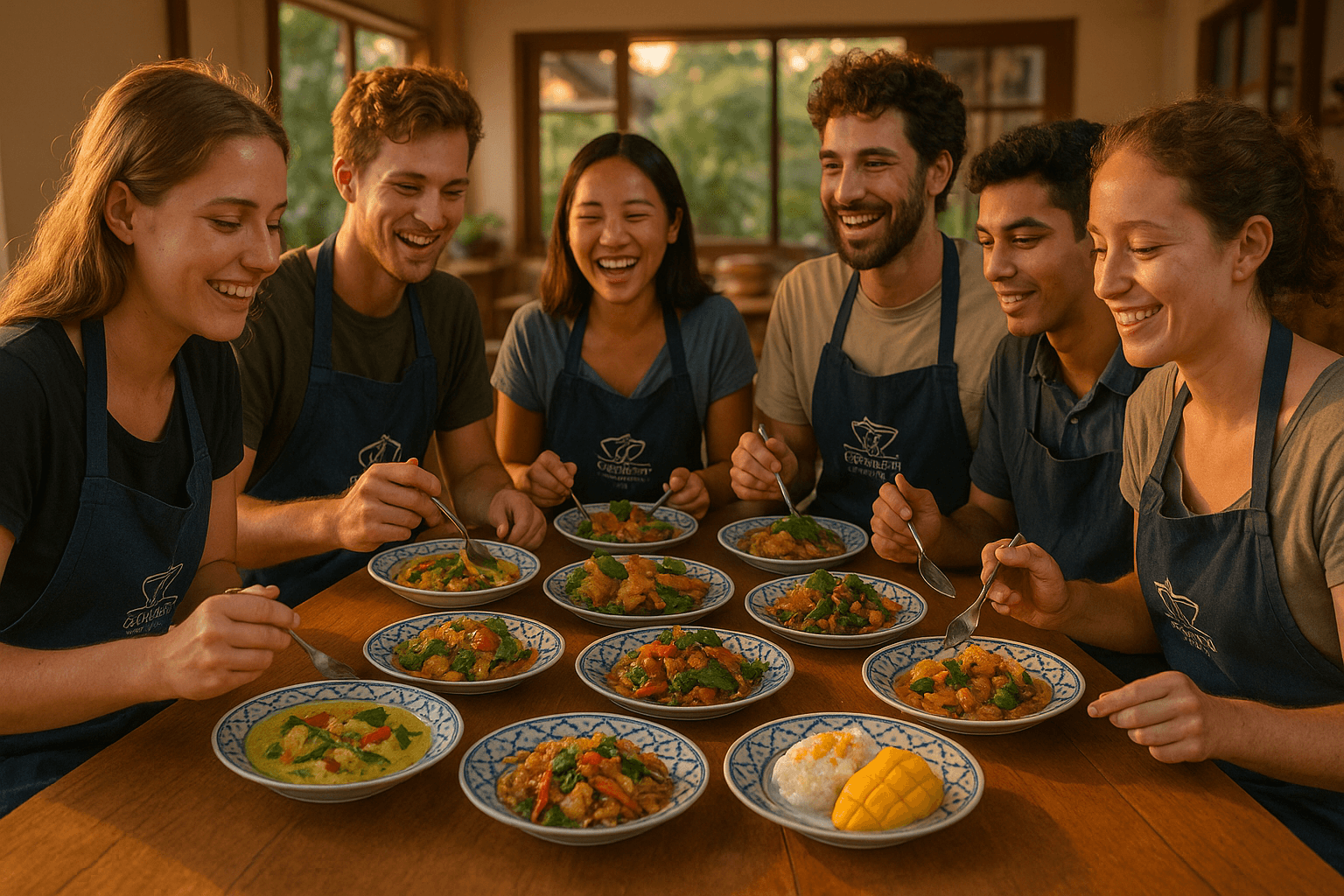
A Chiang Mai cooking class teaches 4-5 dishes per session drawn from a standard Thai canon plus 1-2 northern Lanna specialties. The standard menu spans tom yum goong (hot-and-sour shrimp soup), pad thai (stir-fried rice noodles with tamarind and palm sugar), green curry (gaeng khiao wan with chicken or tofu), tom kha gai (coconut chicken soup), and mango sticky rice (khao niao mamuang) for dessert. Northern Lanna additions include khao soi (curry noodles, the Chiang Mai signature), sai ua (lemongrass-and-kaffir-lime pork sausage), and gaeng hung lay (Burmese-influenced pork-belly curry without coconut milk). Most schools let you choose 4-5 dishes from a longer menu of 10-12 options; this is where a school's flexibility separates a generic "Thai class" from a true Chiang Mai-specific session.
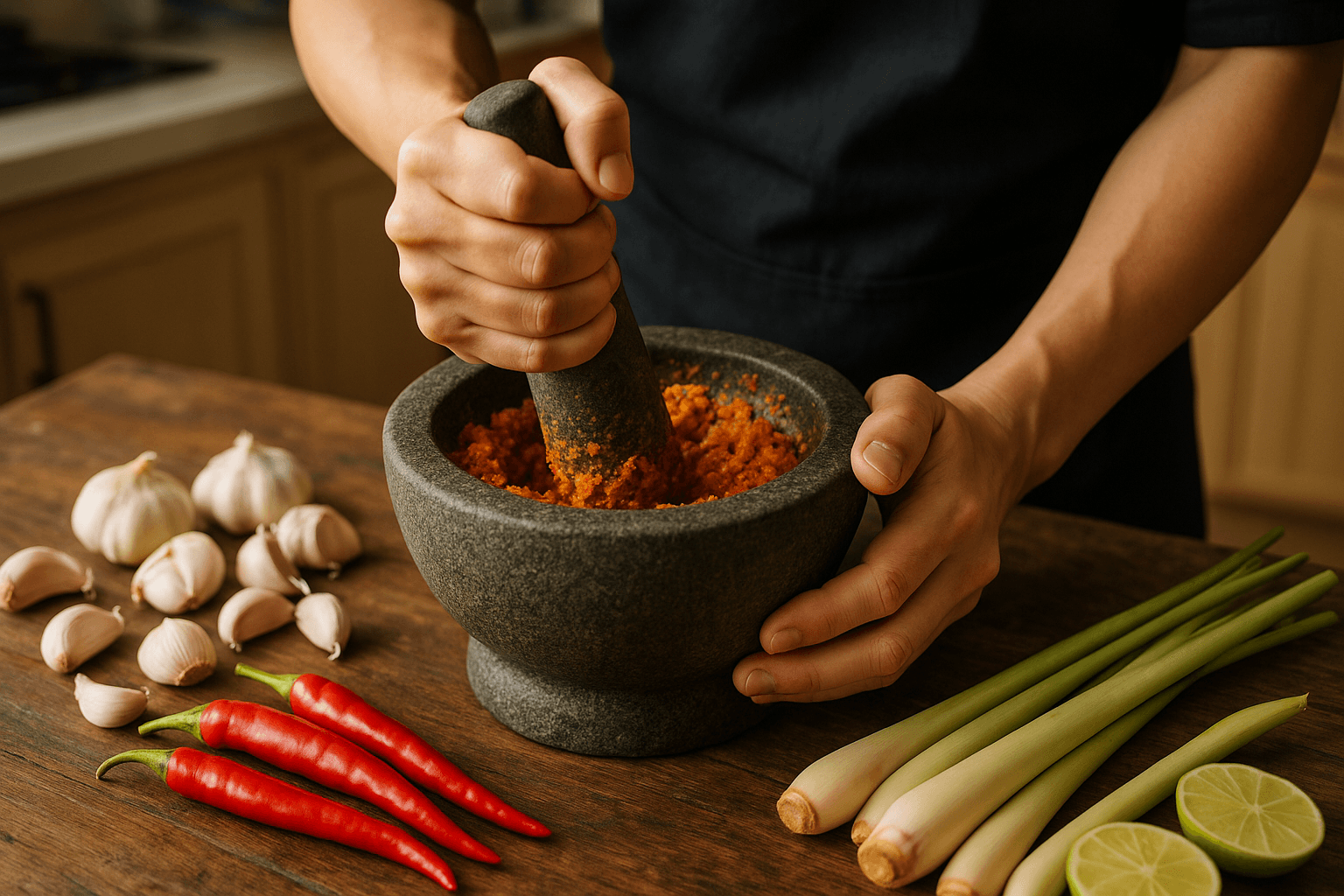
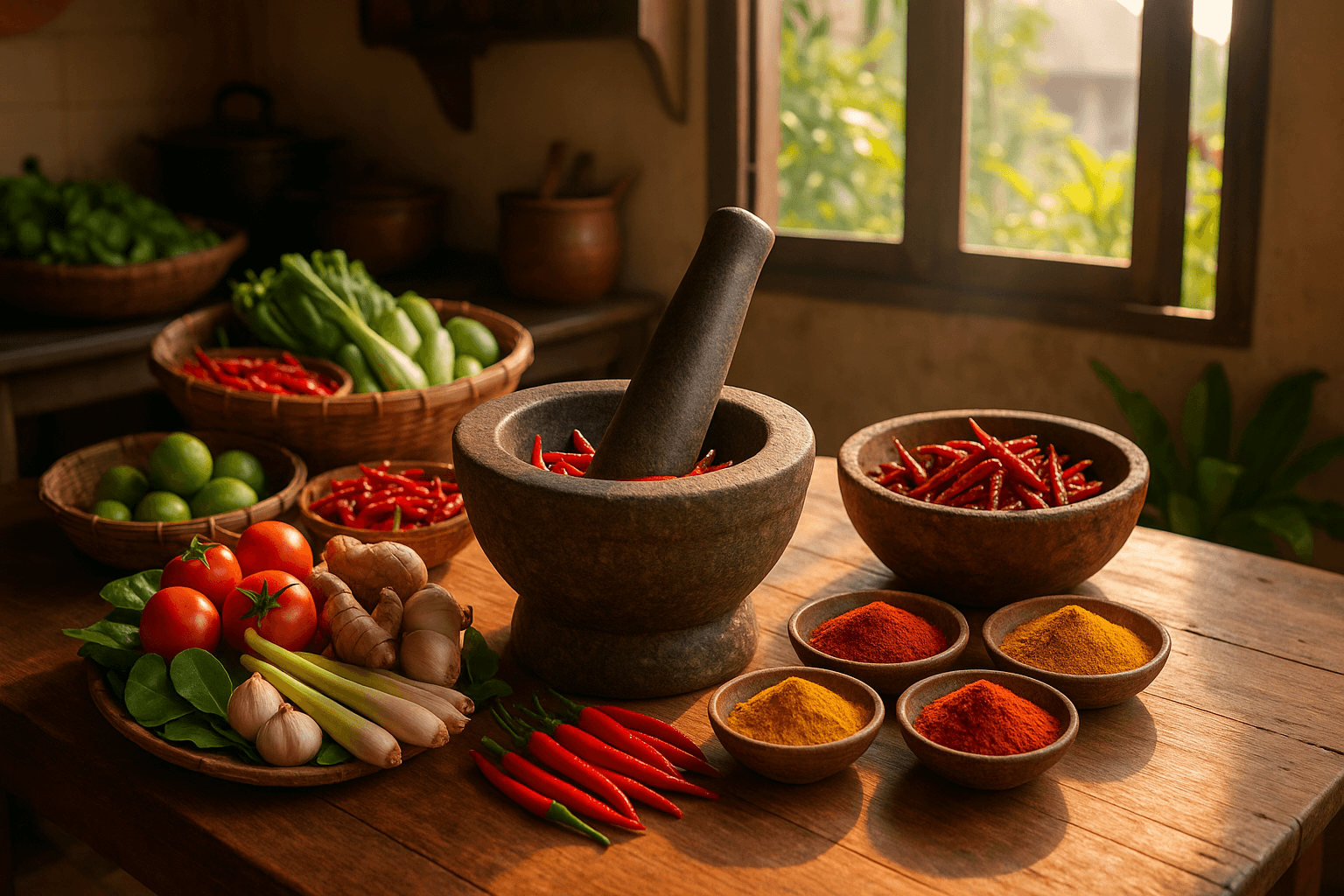
The hands-on technique is the part that travels. You'll grind curry paste in a granite mortar and pestle for 15-20 minutes per batch (the part that turns a generic green curry into the real thing), balance fish sauce, palm sugar, and lime in the wok by taste, and learn the wok-tossing motion that keeps pad thai rice noodles from clumping. Charcoal cooking at farm schools (Thai Farm, Smile Organic) adds a smoky note to the gaeng hung lay that gas burners cannot replicate. Most schools provide a printed or digital recipe book at the end so you can rebuild the dishes at home, with substitution notes for ingredients you cannot source outside Thailand. For broader cultural context, Wikipedia's Northern Thai cuisine article explains the Lanna roots of khao soi, sai ua, and gaeng hung lay; Lonely Planet's Chiang Mai food coverage covers the wider Chiang Mai food scene that connects the cooking class to the night-market vendors.
When to book and what to wear
A Chiang Mai cooking class needs 1-2 weeks of lead time during November-February peak season and 24-48 hours during the May-October low season, with most schools running 1-2 sessions daily and 8-14 student spots per session. Peak season (December-January) fills the popular Asia Scenic, Thai Farm, and Mama Noi classes 2-3 weeks ahead; off-peak (June, September, October) you can usually walk in the day before. Songkran week (April 13-15) sees most schools close because the city's water-fight makes the market tour impossible; a handful of indoor Old City schools stay open. The wet-season risk for Mae Rim farm classes is genuine: heavy August-September rain can cancel the outdoor garden walk, and a few schools refund the difference in cash for the missed segment.
Wear closed-toe shoes (hot oil and flip-flops do not mix), comfortable clothes you do not mind staining with turmeric or chili oil, and bring a light layer for the early-morning market tour (Talat Warorot at 07:00 is cool by Chiang Mai standards). Aprons, knives, woks, and burners are provided. If you have allergies (peanut, shellfish, gluten) or dietary restrictions (vegan, vegetarian, halal), email the school at booking, not the morning of the class. Most schools accommodate any restriction with 48 hours of notice; springing a peanut allergy on a charcoal-cooking instructor at 09:00 is unfair to both sides.
Frequently Asked Questions
How much does a Chiang Mai cooking class cost in 2026?
A Chiang Mai cooking class costs 800-1,500 THB for a half-day session (3-4 hours, 4 dishes) and 1,500-2,500 THB for a full-day class (6-8 hours, 5-6 dishes plus market tour) in 2026. Mae Rim and Mae Wang organic-farm classes sit at 1,500-2,000 THB. Booking direct with the school is 15-30% cheaper than Klook, Viator, or GetYourGuide markups.
Do I need cooking experience to take a Chiang Mai cooking class?
No. Chiang Mai cooking schools design every class for absolute beginners through experienced home cooks; instructors at Asia Scenic, Thai Farm Cooking School, and Mama Noi are used to teaching travelers who have never held a wok. Each station has step-by-step guidance, recipe handouts, and group size at most schools is 4-12 students for genuine one-on-one help.
How long does a Chiang Mai cooking class last?
Half-day classes run 3-4 hours including the cooking and the meal; full-day classes run 6-8 hours including market tour, hands-on cooking, eating, and a recipe-book hand-off. Morning sessions start at 08:00-09:00; afternoon sessions at 13:00-14:00; Smart Cook runs an evening 16:30-20:30 option for travelers who want to keep the daytime free.
Can a Chiang Mai cooking class accommodate vegan or gluten-free diets?
Yes, most Chiang Mai cooking schools accommodate vegan, vegetarian, gluten-free, and major allergies (peanut, shellfish) with 48 hours of advance notice at booking. Smile Organic Farm in Mae Rim and May Kaidee specialize in plant-based Thai menus with tofu, mushroom, and tempeh substitutions for fish sauce and shrimp paste. Always disclose restrictions when you book, not on the day.
Which northern Thai dishes should I prioritize learning in Chiang Mai?
Khao soi (curry noodles), sai ua (lemongrass-kaffir-lime pork sausage), and gaeng hung lay (Burmese-influenced pork-belly curry without coconut milk) are the three Lanna signature dishes that a Bangkok or Phuket cooking class will not teach. Most full-day Chiang Mai classes include at least one northern dish in the standard 5-dish menu; ask the school in advance for a Lanna-heavy custom menu.
How do I get from the Old City to Mae Rim cooking schools?
Mae Rim farm schools sit 8-15 km north of the Old City on Highway 107, a 15-30 minute scooter ride from any Tha Phae Gate or Nimman rental shop. A 125cc Honda Click rented at 150-300 THB/day handles the paved two-lane highway easily; round-trip fuel costs 30-50 THB. Most schools include free hotel pickup if you prefer not to ride; the Motorbike Rental Chiang Mai Guide covers the rental fundamentals.
What is the best time of year to take a Chiang Mai cooking class?
November to February is the peak season with cool, dry weather ideal for the morning market tour and outdoor farm classes; book 1-2 weeks ahead. May to October is the wet season with cheaper-to-book classes but a real risk of August-September rain washing out outdoor Mae Rim farm sessions. Avoid Songkran week (April 13-15); most schools close during the city-wide water festival.
Plan a Mae Rim cooking-class day on two wheels
A Chiang Mai cooking class is the cleanest single-day cultural anchor in northern Thailand: 800-2,500 THB for 3-8 hours of hands-on Lanna cooking, 4-5 dishes you can recreate at home, and a market-to-table ingredient education most travelers never get. Rent a Honda Click 125 from any Tha Phae Gate or Nimman shop at 150-300 THB/day via Byklo, ride 17 km north on Highway 107 to Thai Farm Cooking School in Mae Rim (25 minutes), cook a 5-dish lunch by 14:00, and combine the same rental day with Wat Phra That Doi Suthep (16 km / 40 min) or the Mae Sa Valley waterfall route for a full Chiang Mai weekend on two wheels. For deeper Lanna food context after the class, the Chiang Mai Street Food Guide and Chiang Mai Local Markets cover where to find khao soi, sai ua, and gaeng hung lay across the city.
For the wider Chiang Mai trip context the cooking classes sit inside, the Tourism Authority of Thailand Chiang Mai page covers transit, festivals, and the cool-season weather window the cooking schools schedule around.