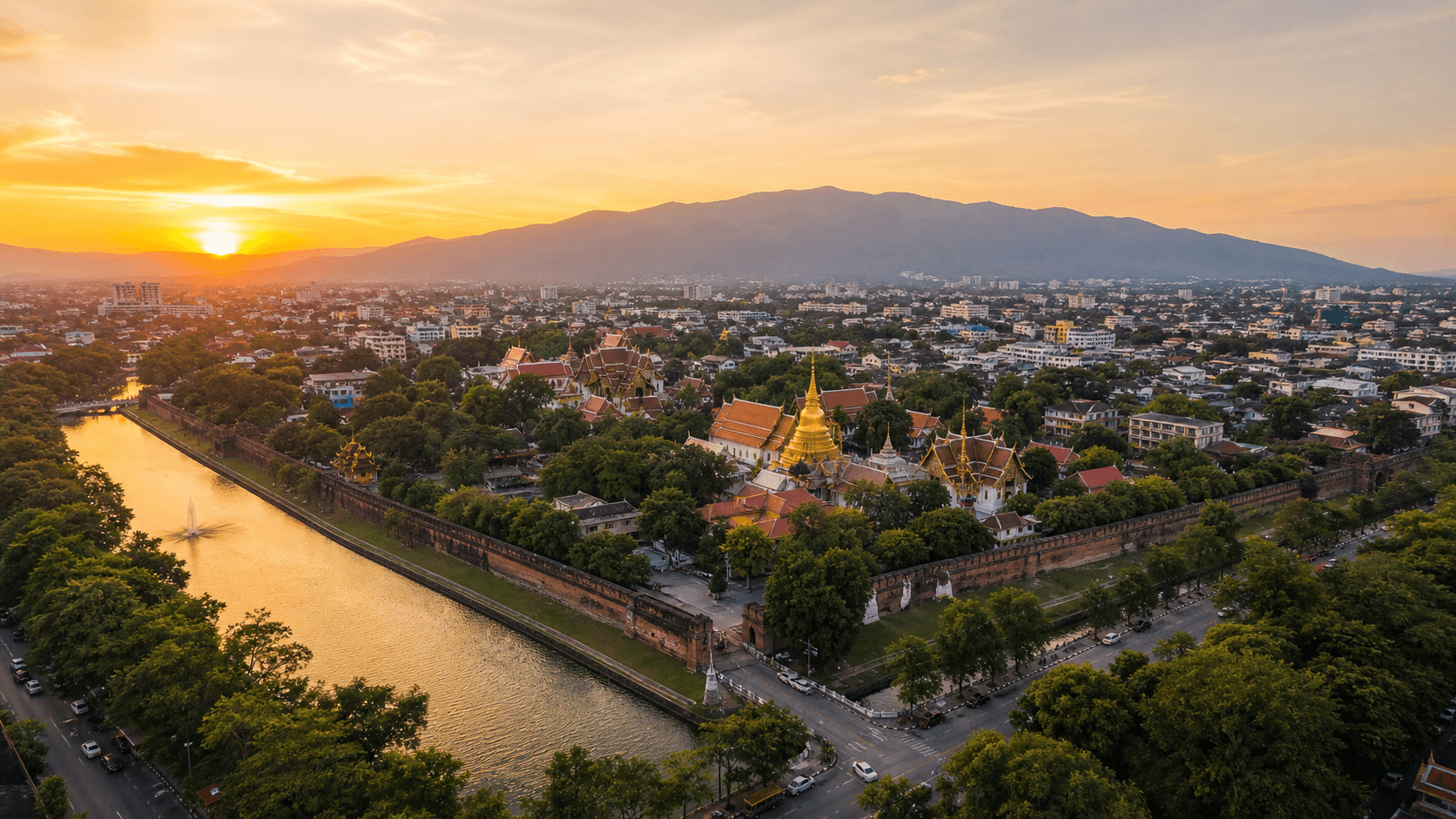
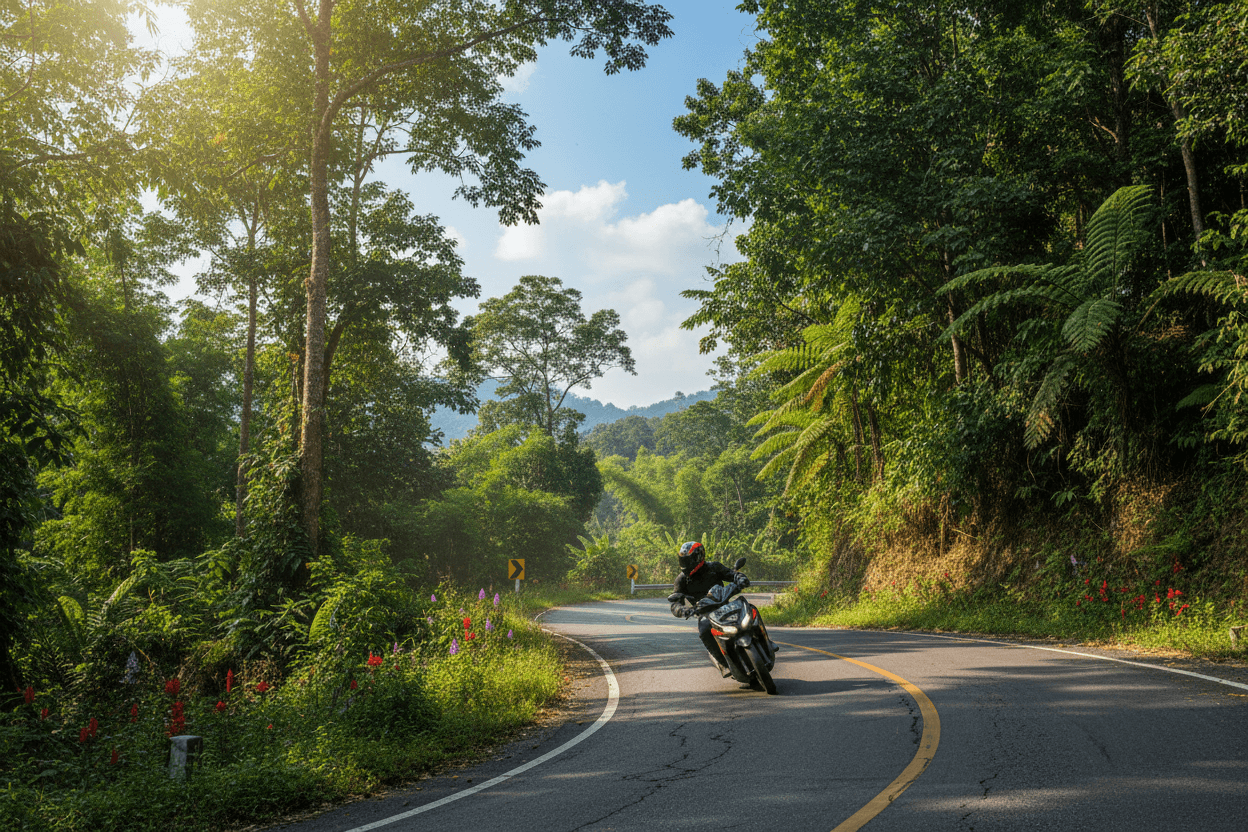
The Mae Hong Son Loop is Thailand's most famous motorcycle route: 600 km of mountain asphalt with 1,864 curves through Northern Thailand, run counter-clockwise from Chiang Mai through Pai, Mae Hong Son town, and Mae Sariang on Routes 1095 and 108. Plan 4-5 days minimum, 6-7 days to actually enjoy the stops, basing out of Old City Chiang Mai where 150cc Honda PCX 160 rentals run 250-450 THB per day and 500-650cc Honda CB500X big bikes run 1,200-2,000 THB per day. A 150cc maxi-scooter is the workable minimum; a 250-400cc Honda CRF300 Rally or 500cc CB500X is the comfortable pick for the climbs and two-up touring.
Key Takeaways
- Distance and curves: 600 km of asphalt with 1,864 curves on Routes 1095, 108, and 1096 through Pai, Mae Hong Son, and Mae Sariang. The curve count is the standard reference per Wikipedia's Mae Hong Son Loop entry.
- Timing: 4-5 days minimum at 130-160 km per riding day; 6-7 days lets you ride Tham Lod cave at Pang Mapha, Wat Phra That Doi Kong Mu, the Sutongpe Bridge, and Ban Rak Thai without burning the whole day in the saddle.
- Best season: Mid-November through February. Daytime highs in the mountains run 18-25 C, roads are dry, visibility is clear. Avoid June through October for monsoon landslide risk on Route 108.
- Bike-class daily rates (Old City Chiang Mai, 2026): 250-450 THB for a Honda PCX 160 or Yamaha NMAX, 800-1,500 THB for a 250-400cc Kawasaki Versys-X 300 or Honda CRF300 Rally, 1,200-2,000 THB for a 500-650cc Honda CB500X or Kawasaki Versys 650.
- License rule: Home-country motorcycle license PLUS an International Driving Permit carrying the "A" (motorcycle) endorsement. Royal Thai Police checkpoints on Route 1095 between Chiang Mai and Pai check riders explicitly.
- Cash deposits: 1,000-2,000 THB for a 125-160cc scooter; 5,000-20,000 THB for a CB500X-class big bike. The original passport never leaves your bag, regardless of bike size.
Why is the Mae Hong Son Loop the iconic Thailand motorcycle route?
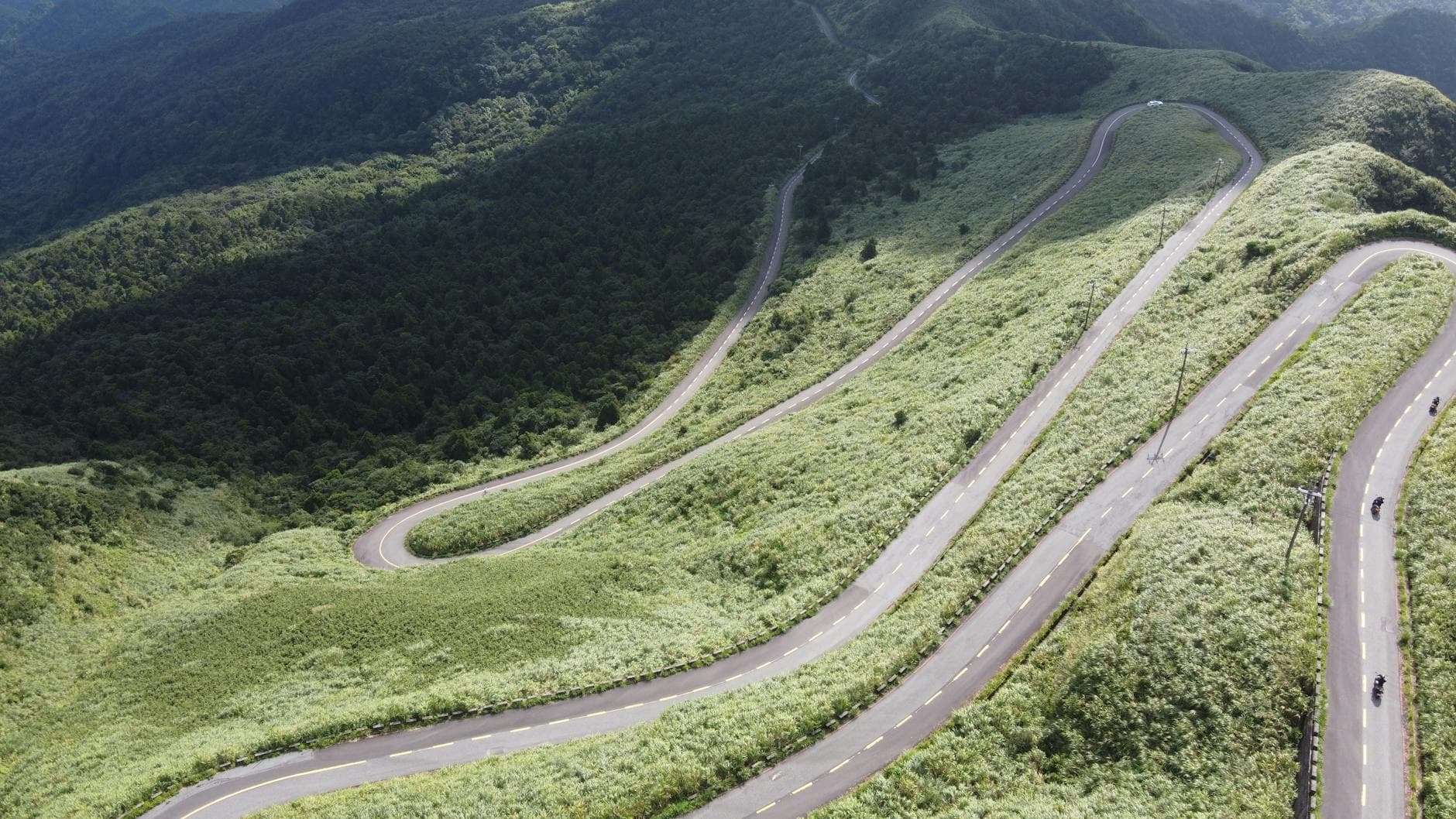
The Mae Hong Son Loop is the highest-profile motorcycle route in Thailand because it concentrates 1,864 numbered curves into a 600 km circuit through the country's most dramatic mountain country, with Northern Thai food, hill-tribe villages, hot springs, and limestone caves stacked along Routes 1095, 108, and 1096. The standard counter-clockwise sequence runs Chiang Mai through Pai, Soppong, Pang Mapha, Mae Hong Son town, Khun Yuam, Mae Sariang, and back to Chiang Mai over four to five riding days, with the curve count tallied and verified per the Wikipedia entry.
The loop earns its reputation on three fronts. First, the geometry: switchbacks fold back on themselves at 12% gradients, third-gear sweepers drop into hairpins, and you are rarely upright for more than 30 seconds at a time. Second, the scenery: the Mae Sa Valley waterfalls north of Chiang Mai, the misty pine ridges between Pai and Soppong, the Burmese-influenced teak architecture in Mae Hong Son, the Ban Rak Thai Yunnanese tea village near the Myanmar border. Third, the food and culture: northern Thai khao soi in every loop town, Shan-style breakfasts in Mae Hong Son, Karen coffee farms outside Mae Sariang. Lonely Planet ranks the route among Southeast Asia's premier rides.
For comparison context: the Pai Loop is the first 130 km leg by itself (762 of the 1,864 curves), the Samoeng Loop is a 100 km Chiang Mai day trip, and the Nan Loop on Route 1148 is the connoisseur's east-side alternative. Mae Hong Son is the headline because it bundles all three tones of Northern Thailand riding into a single multi-day commitment. Mae Hong Son also tops the list of Thailand's six iconic motorcycle regions; the country-level route taxonomy and how to combine it with the Nan Loop or the Golden Triangle is in Thailand Motorcycle Routes.
How does the Mae Hong Son Loop break down day by day?
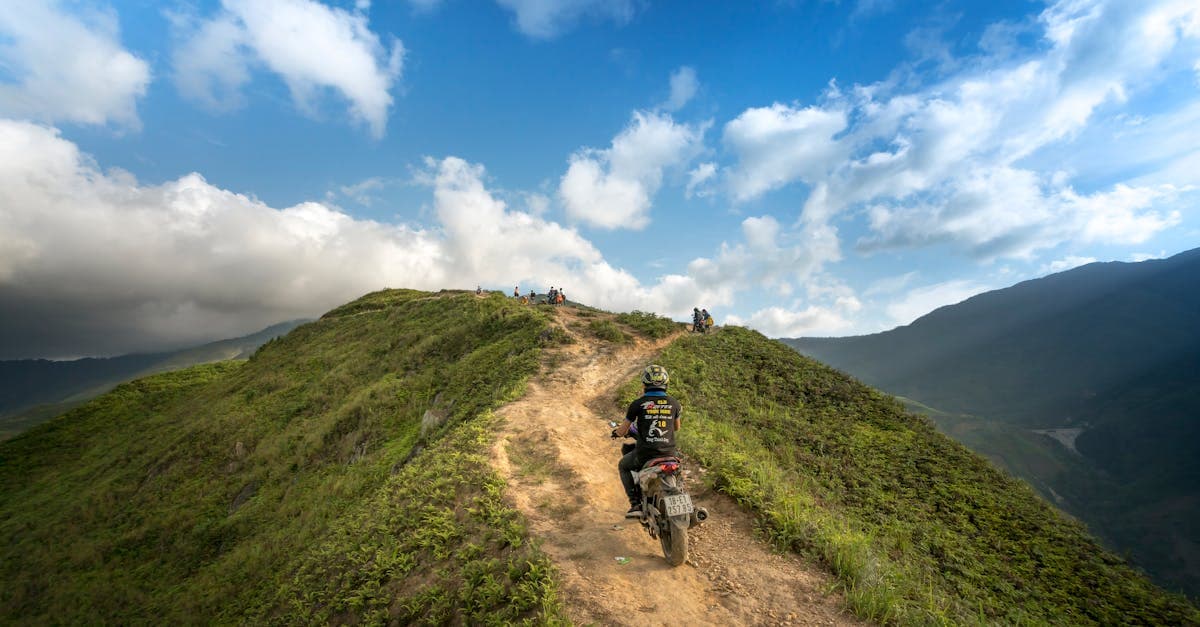
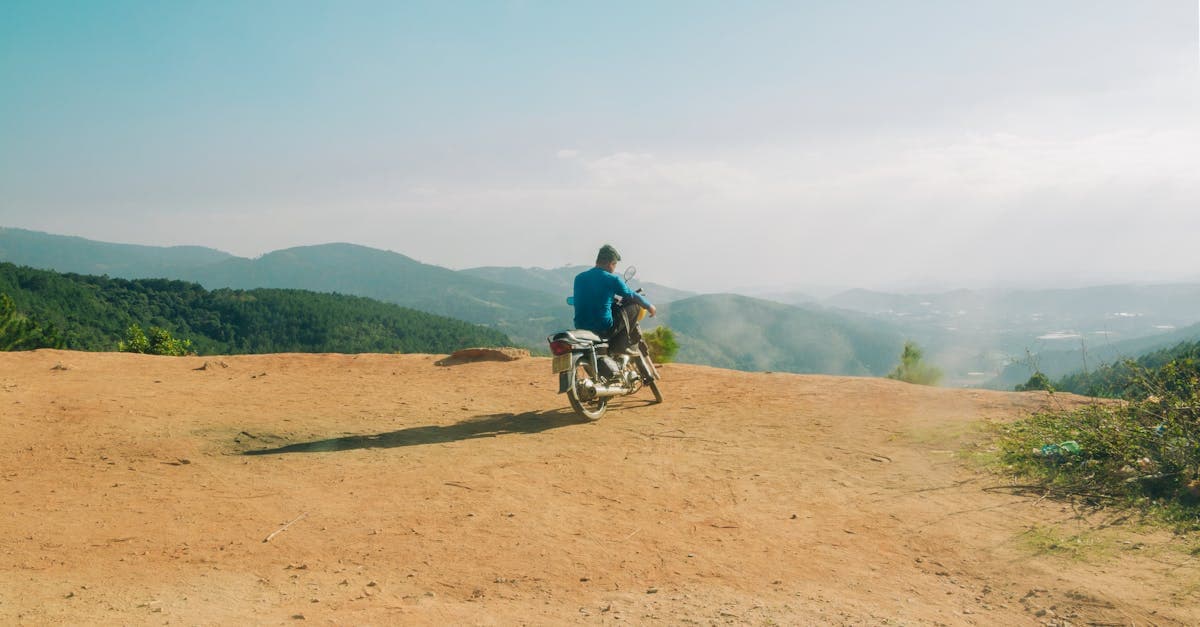
The Mae Hong Son Loop breaks into four to five riding days of 130-180 km each, with the counter-clockwise direction (Chiang Mai to Pai first) preferred because it tackles the technical Route 1095 climb out of Mae Rim while you are fresh and saves the longer, gentler Route 108 return for the tired final day. Expect 3-5 hours of saddle time per day at scenic-ride pace, more if you stop for Tham Lod cave at Pang Mapha, Wat Phra That Doi Kong Mu's hilltop chedi, or the Sutongpe Bridge bamboo crossing outside Mae Hong Son town.
Day-1 fuel cost from Chiang Mai to Pai is roughly 200-300 THB on a 150cc PCX 160 (95-octane gasohol around 39 THB/litre). Each subsequent day adds 250-400 THB in fuel. Accommodation runs 400-1,500 THB per night for a guesthouse in any of the loop towns. Total trip budget at 4-day pace, including bike rental, fuel, food, and rooms: roughly 6,000-12,000 THB on a 150cc, 10,000-18,000 THB on a 500cc CB500X.
The reverse (clockwise) direction is also valid and slightly more popular with tour groups. It saves the 762 Route 1095 curves for the final day's run back into Chiang Mai, which is dramatic but tiring; most experienced riders prefer the counter-clockwise sequence above.
What is the best bike for the Mae Hong Son Loop?
The best bike for the Mae Hong Son Loop is a 150-160cc maxi-scooter (Honda PCX 160 or Yamaha NMAX) at 250-450 THB per day for the comfort-conscious rider, or a 500cc Honda CB500X at 1,200-1,800 THB per day for the experienced rider who wants headroom on the climbs and a real seat for two-up touring. A 110-125cc Honda Click is dangerous on Route 1095's gradients and exhausting on the descents into Mae Hong Son; the engine maxes out at 30-40 km/h on the steepest sections while diesel trucks queue behind you, and small-bike brakes overheat on long downhill stretches.
The bike-class step-up is the single most important decision on this trip. A 150cc PCX 160 has the torque to maintain 50-60 km/h on the Route 1095 climbs, the disc brakes (front and rear) and ABS to slow safely on a wet hairpin, and the fuel range (around 250 km) to cover any single day without re-fuelling stress. A 250-400cc adventure bike like the Kawasaki Versys-X 300 or Honda CRF300 Rally adds engine-braking torque on long descents and unpaved-section composure if you ride the Pang Mapha cave roads. The full bike-class context lives in the Chiang Mai motorbike rental guide and the big bike rental Chiang Mai walkthrough.
For solo riders running the standard 4-day pace at scenic-ride speed, the Honda PCX 160 is the right balance of price, comfort, and capability. For two-up couples with luggage, jump to the Honda CB500X or the 250-400cc class; the extra 600-1,500 THB per day is the cheapest insurance you can buy on a 600 km mountain trip. For a deeper Honda CB500X versus Kawasaki Versys 650 comparison, the big bike rental Chiang Mai post breaks down both bikes spec-by-spec.
What are the safety risks on the Mae Hong Son Loop?
The Mae Hong Son Loop's safety risks split into three categories: monsoon-season cliff and landslide hazards (June through October), fatigue-management failures on the long descents into Pai and Mae Hong Son, and the standard checkpoint enforcement around Chiang Mai's Old City and on Route 1095 toward Pai. The loop has a documented fatality rate that public-health reporting attributes mostly to inexperienced riders on under-powered bikes attempting too many kilometres in a single day; the Tourism Authority of Thailand and Royal Thai Police consistently rank Route 1095 among the country's most-cited foreign-rider crash corridors.
Monsoon-season risk is the biggest variable. Wet-season tarmac on Route 108 between Mae Sariang and Mae Hong Son develops landslide closures, fog at the ridge crossings drops visibility under 10 metres, and the clay-leaf mix on the Pai descents turns near-frictionless in the first 10 minutes of any rainstorm. Dry-season riders should still respect the second category of risk: fatigue. A 165 km day with 600+ curves consumes more concentration than a 400 km motorway day in Europe, and the third afternoon of any multi-day loop is when crash reports cluster. Plan shorter days, ride in daylight only, eat properly, and abort to a guesthouse the moment the focus slips.
The third category, checkpoint enforcement, is predictable and easy to handle. Royal Thai Police staff posts on Huay Kaew Road climbing toward Wat Phra That Doi Suthep, at all four Chiang Mai gates, and on Route 1095 between the Chiang Mai outskirts and the first major switchback section. Have your IDP, home-country motorcycle license, helmet, and passport on your person before the bike rolls; on-the-spot fines for any one missing item run 500-1,000 THB. The full safety checklist lives in the top 10 motorbike safety tips for Thailand post and the Thailand motorbike insurance guide covers the four insurance tiers that matter on a 600 km trip.
Where do you stay along the Mae Hong Son Loop?
You stay in the four loop towns at 400-1,500 THB per night for a guesthouse and 1,500-4,000 THB per night for a mid-range hotel, with Pai Walking Street, Soppong (a 30 km optional add-on), Mae Hong Son town near Wat Phra That Doi Kong Mu, and Mae Sariang on Route 108 forming the standard four-overnight chain. Old City Chiang Mai is the start and end point for almost every loop ride because that is where the bike rental shops cluster on Kotchasarn Road and Moonmuang Road, with verified-platform delivery to any Old City or Nimman hotel.
Pai Walking Street has the densest backpacker-grade guesthouse cluster on the loop, with rooms from 400 THB and a five-minute walk to dinner, the Pai Canyon shuttle, and a dozen scooter-friendly cafes. Mae Hong Son town's accommodation cluster sits around the Jong Kham Lake and the morning market; the early-rising Sutongpe Bridge crossing photo-op is a 5-minute scoot from any central guesthouse, and the Wat Phra That Doi Kong Mu hilltop chedi is a 10-minute climb. Mae Sariang is quieter, smaller, and gets fewer farang riders; rooms run 500-1,200 THB and the Yuam River views from the Riverside Mae Sariang Guesthouse are the local highlight. Add a one-night Ban Rak Thai detour from Mae Hong Son for the Yunnanese tea-village experience near the Myanmar border.
For broader Chiang Mai-base context, the 5-day Chiang Mai itinerary and the exploring Chiang Mai's temples by motorbike posts cover the city day-trips that bracket a Mae Hong Son ride. For the Pai-leg deep dive (waterfalls, food, scams), the Pai Loop scooter rental guide and the motorbike rental Pai guide cover the 130 km first leg in detail. For day-trip context inside Chiang Mai province before or after the loop, the top 10 motorbike routes around Chiang Mai and conquering Doi Inthanon posts cover the rides that serve as warm-ups.
Frequently Asked Questions
How many days do I need for the Mae Hong Son Loop?
Four days is the absolute minimum at 130-180 km per riding day; five days is comfortable; six to seven days is what experienced riders recommend so you can actually visit Tham Lod cave, Wat Phra That Doi Kong Mu, the Sutongpe Bridge, and Ban Rak Thai without rushing. Three-day attempts exist but compress two riding sections into one and burn 7-9 hours in the saddle on the Mae Sariang to Chiang Mai final day.
Can I ride the Mae Hong Son Loop on a 125cc scooter?
Physically yes, advisedly no. The 600 km loop has gradients on Route 1095 between Chiang Mai and Pai where a Honda Click 125 maxes out at 30-40 km/h while diesel trucks queue behind you, and descents into Mae Hong Son where small-bike brakes overheat. A 150cc Honda PCX 160 or Yamaha NMAX (250-450 THB per day) is the workable minimum; a 250-400cc Honda CRF300 Rally is the comfortable price-conscious choice; a 500cc Honda CB500X is the mainstream big-bike pick.
When is the best time to ride the Mae Hong Son Loop?
Mid-November through February. Daytime highs in the mountains run 18-25 C, the tarmac is dry, visibility is clear at the Route 108 ridge crossings, and the rice and corn harvest gives the Karen valleys their best scenery. December and January are peak; book the rental bike 2-4 weeks ahead. Avoid June through October for monsoon landslide and fog risk on Route 108, and avoid March-April for hot-season smoke haze at higher elevations.
Do I need an International Driving Permit for the Mae Hong Son Loop?
Yes. Thai law requires a valid home-country motorcycle license PLUS an International Driving Permit carrying the "A" (motorcycle) endorsement. Royal Thai Police checkpoints on Route 1095 between Chiang Mai and Pai check the IDP class explicitly. Apply through your home country's automobile association before you fly; the Royal Thai Embassy confirms that the IDP cannot be issued in Thailand, and a car-only IDP at any checkpoint is treated as no license at all.
Should I ride the loop counter-clockwise or clockwise from Chiang Mai?
Counter-clockwise (Chiang Mai, Pai, Mae Hong Son, Mae Sariang, Chiang Mai) is the more common choice because it puts the technical Route 1095 climb out of Mae Rim on day 1 while you are fresh and saves the longer, gentler Route 108 return for the tired final day. Clockwise is also valid and slightly more popular with tour groups but stacks 762 curves into the final ride back into Chiang Mai, which is dramatic but tiring after three earlier loop days.
What does the full Mae Hong Son Loop trip cost in 2026?
A four-day Mae Hong Son Loop on a Honda PCX 160 costs roughly 6,000-12,000 THB total: 1,000-1,800 THB for the bike rental, 1,200-1,800 THB for fuel, 1,600-6,000 THB for accommodation across three or four nights, and 1,200-2,400 THB for food. On a Honda CB500X the same trip runs 10,000-18,000 THB because the bike rental jumps to 4,800-7,200 THB. Big-bike costs are detailed in the big bike rental Chiang Mai guide.
What if I have to abort partway around the loop?
Most loop towns have at least one mechanic plus a regular minivan service back to Chiang Mai. From Pai, frequent Aya Service minivans run to Chiang Mai Arcade Station for around 200 THB; from Mae Hong Son, the same operator runs a daily service via Mae Sariang. Established Chiang Mai big-bike specialists also run a 24/7 breakdown line and arrange recovery transport from anywhere on the loop, typically 6-12 hours from call to recovery. Carry the rental shop's emergency number on the bike, not just your phone.
Plan your Mae Hong Son Loop from Old City Chiang Mai
The Mae Hong Son Loop rewards preparation: a Honda PCX 160 at 250-450 THB per day for the comfort-conscious solo rider, a Honda CB500X at 1,200-1,800 THB per day for the two-up couple or experienced rider, a 4-5 day plan that respects the 1,864 curves and the monsoon-season fog windows, and an Old City Chiang Mai base with the IDP and helmet sorted before you leave town. The Chiang Mai motorbike rental guide covers the rental flow at the city level; the big bike rental Chiang Mai and Pai Loop scooter rental guide walk through the bike-class step-up and the technical first leg in detail. Compare verified Old City and Nimman shops, lock in the right bike for the loop, and reserve free hotel delivery at Byklo.rent.