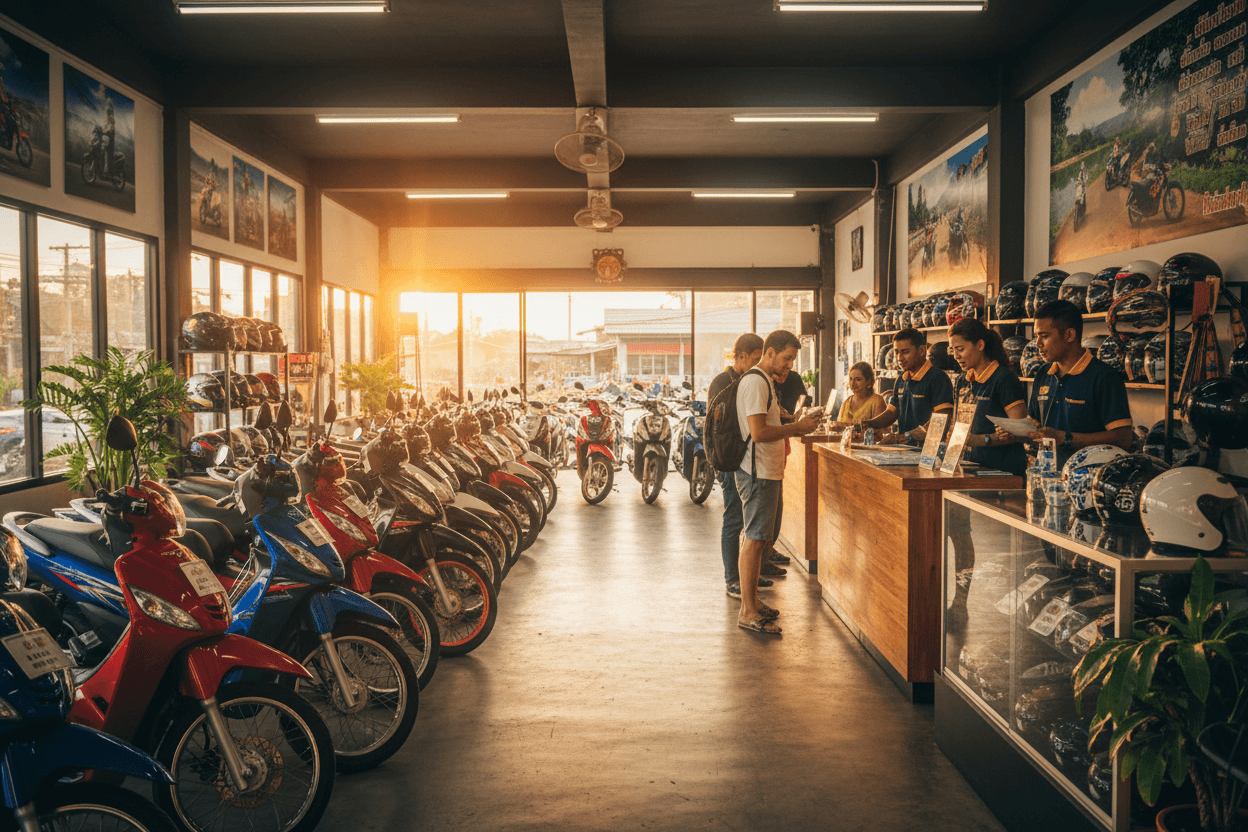
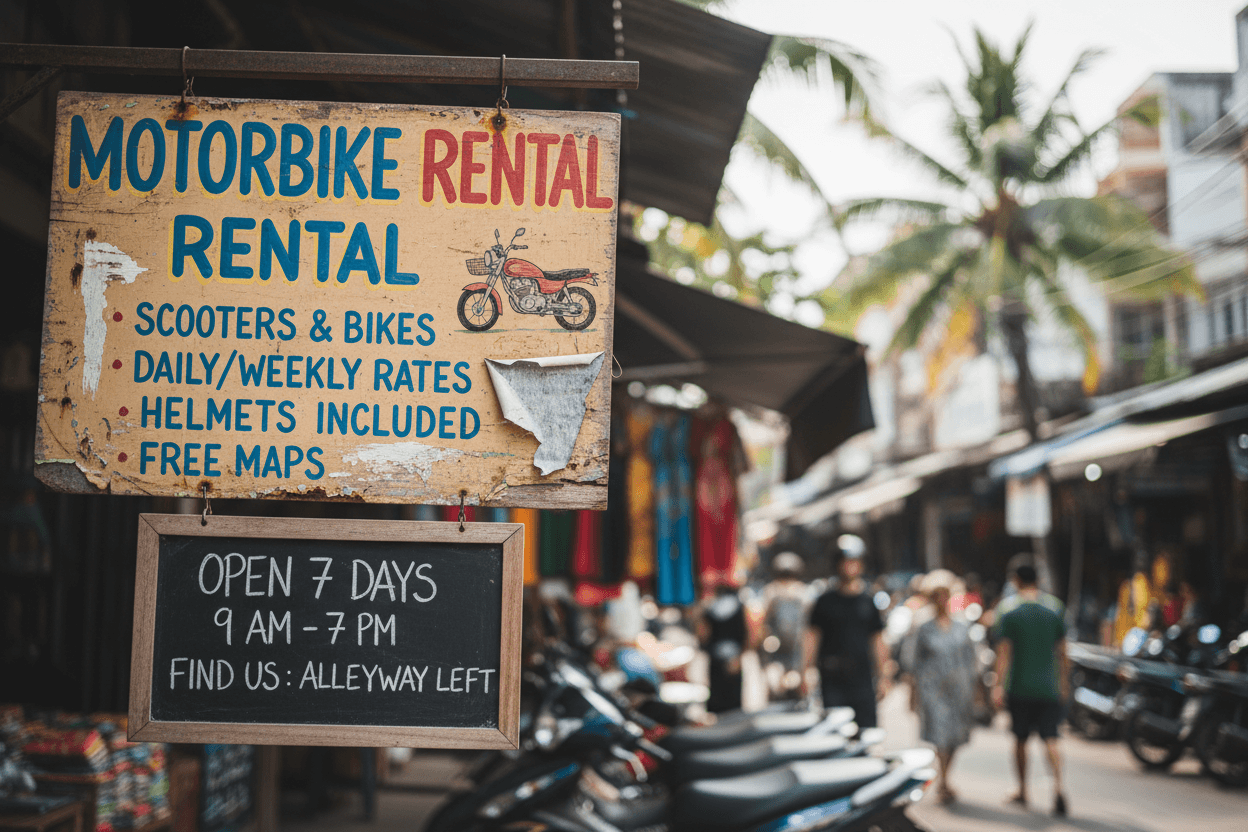
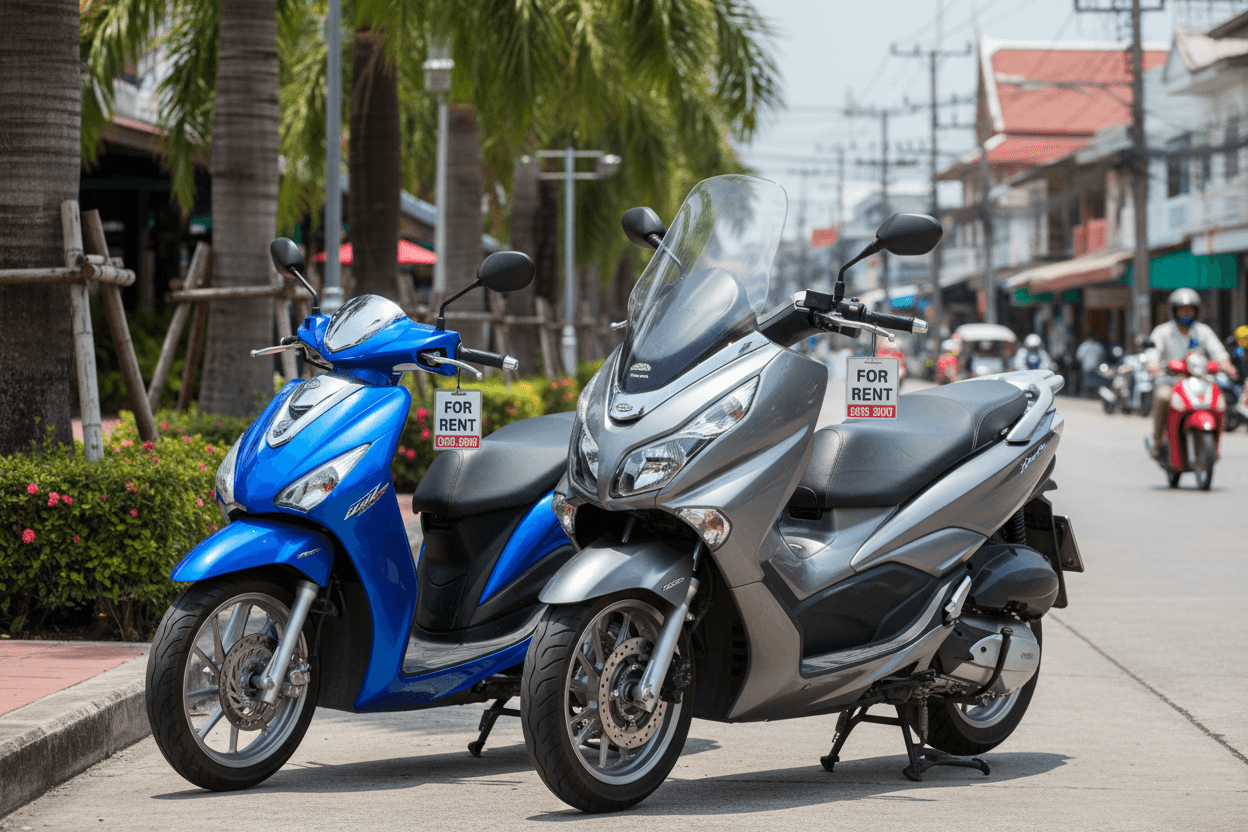
Thailand motorbike rental scams in 2026 cluster in three predictable hotspots: Phuket (Patong's Bangla Road and the Karon-to-Patong stretch), Pattaya (Beach Road, Soi Buakhao, Soi 6), and Koh Samui (Chaweng strip and Lamai). The five recurring traps are the scratch scam, the spare-key "stolen bike" claim, fake-police shakedowns, the bait-and-switch return rate, and the passport-hostage deposit. The fix is a four-step rental flow: refundable cash deposit only, 4K video walkaround at pickup, English-language contract with the agreed return rate written in, and hotel-delivered bike from a vetted shop. Skip the original passport drop and you defuse 90% of disputes before they start.
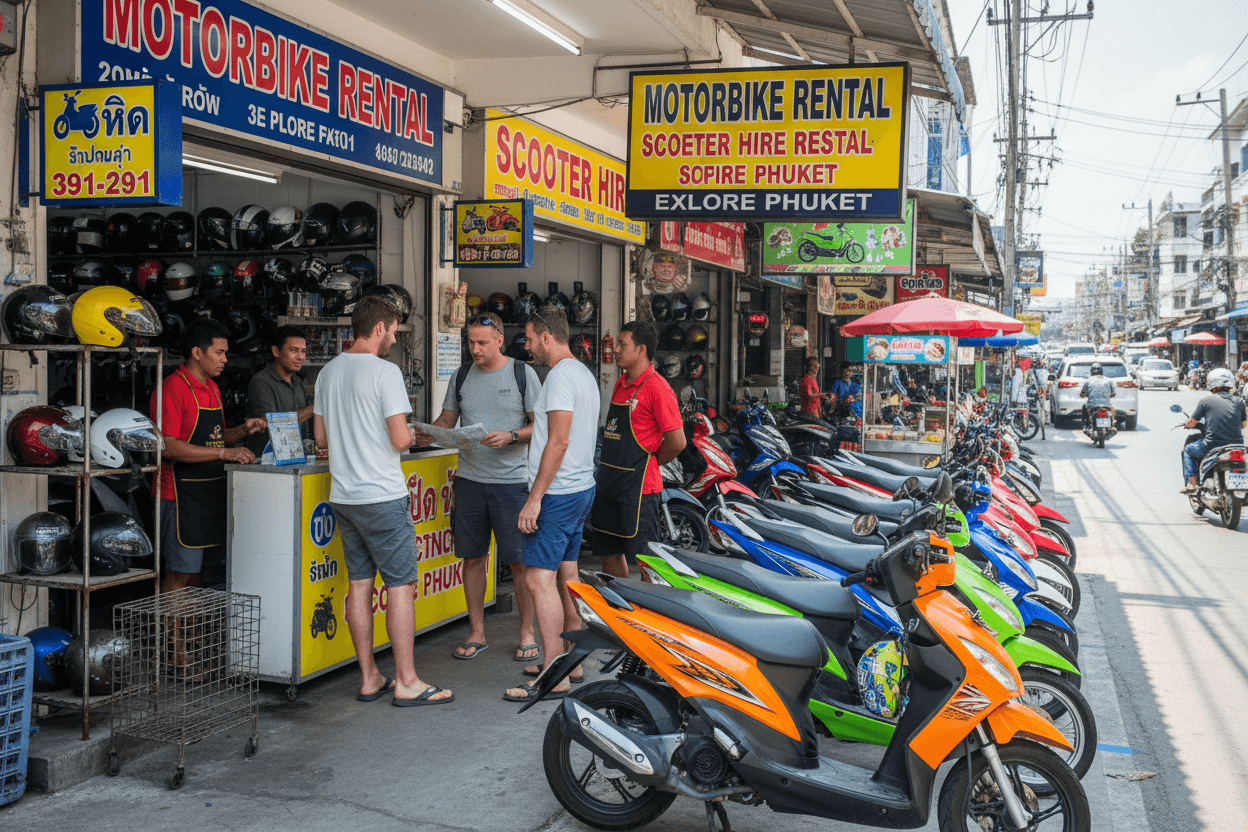
Key Takeaways
- Three scam hotspots in 2026: Phuket (Patong, Bangla Road, Karon), Pattaya (Beach Road, Soi Buakhao, Soi 6), and Koh Samui (Chaweng, Lamai). Other tourist zones see scams; these three concentrate them.
- Five named scams: scratch / "mechanical blackmail," spare-key stolen-bike, fake-police shakedown, return-rate bait-and-switch, and passport-hostage deposit.
- Cash deposit only: 500-2,000 THB cash plus a passport copy is the standard. Reputable shops never demand the original passport book.
- Pre-ride video: a 60-90 second 4K walkaround filmed in front of staff is the single most effective scam-prevention tactic; filmed evidence collapses scratch disputes on return.
- Police-checkpoint reality: real Thai police write tickets and accept payment at the station or via a payment slip; on-the-spot cash demands without paperwork are usually fake-uniform shakedowns.
- Helmet and IDP fines: legitimate stops cost 500-1,000 THB for no helmet and 500-1,000 THB for no International Driving Permit with the motorcycle "A" endorsement.
What are the most common Thailand motorbike rental scams in 2026?
Thailand motorbike rental scams in 2026 fall into five named patterns that recur in every tourist hotspot from Patong to Chaweng. The scratch scam invents repair fees for damage that pre-existed. The spare-key stolen-bike scam uses the shop's duplicate key to take the bike back from a parking lot and bill you for the loss. Fake-police shakedowns demand on-the-spot cash for invented infractions. The return-rate bait-and-switch quotes 200 THB at pickup and presents 400 THB at return. The passport-hostage deposit turns the original passport book into leverage for any of the above.
Each scam has a regional fingerprint. Bangla Road in Phuket and Beach Road in Pattaya concentrate the scratch and bait-and-switch variants because their high-tourist-density storefronts can churn renters daily. The Chaweng strip on Koh Samui sees more spare-key stolen-bike reports because island layouts and beach parking make follow-and-retrieve easier. Fake-police shakedowns appear most in mainland tourist zones (Patong, Pattaya, Phuket Town) where unlicensed "tourist police" uniforms blend with real Royal Thai Police presence. The Pattaya motorbike rental safety and scams guide names the Beach Road and Soi 6 patterns specifically.
The common thread under all five is leverage. The scammer's playbook depends on holding something you need back to extract a payment: your passport, your time, your fear of police trouble, or your assumption that the shop's "evidence" outweighs yours. Remove the leverage and the scams collapse. The next five sections walk through each named scam with the detection signal and the counter-action.
How does the spare-key "stolen bike" scam work?
The spare-key stolen-bike scam is the most expensive scam pattern in Thailand because the loss claim runs 60,000-150,000 THB for a "totalled" Honda Click. The setup: a shop rents you a popular model (Honda Click 125, Yamaha NMAX, Honda PCX 160) and keeps a copy of the ignition key. Someone from the shop, or a paid associate, follows you to a beach parking lot or night-market hotel. They use the spare key to ride the bike back to the shop's warehouse. You return to an empty parking spot, file a police report, and the shop demands the bike's full replacement value.
Detection signals that point at this scam in advance: a shop that won't show you the keychain set when handing over the bike (legit shops show one main key + one spare so you know who has the duplicate); a shop that pressures specific parking locations ("park there, near the back, near the alley"); and any shop on the list of Beach Road, Soi Buakhao, or Bangla Road operators flagged by community Facebook groups. Hotel parking with valet stamps and CCTV is the safest store. Locking the front-wheel disc beats locking only the handlebars (the spare key bypasses the steering lock).
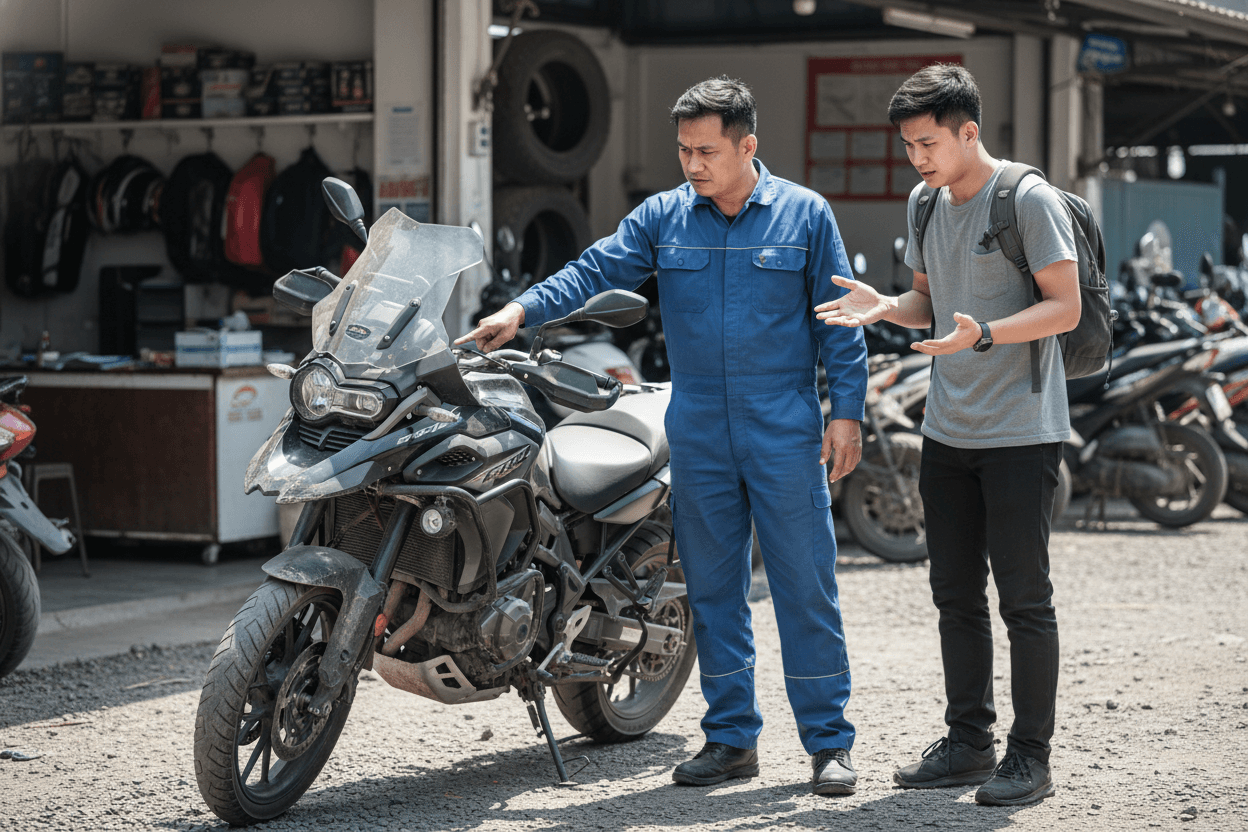
What does a fake-police shakedown look like vs a real Thai checkpoint?
Real Thai police checkpoints are visible, multi-officer, and procedural; fake shakedowns are solo, mobile, and cash-only. A legitimate Royal Thai Police stop in Patong, Pattaya, or the Chiang Mai Old City moat sets up a marked checkpoint with cones, a pull-over zone, multiple officers in full Royal Thai Police uniform with rank insignia, and a printed ticket book. The fines for legitimate infractions are fixed: 500-1,000 THB for no helmet and 500-1,000 THB for missing IDP, payable at the police station within 7 days or via a slip the officer hands you with the case number on it.
The fake-shakedown signature is different. A solo "officer" in a half-uniform (the most common is a tan shirt with no rank stripes) flags you down on a side street, accuses you of an invented infraction ("special tourist parking tax," "wrong-side overtaking," "tourist road tax"), and demands cash on the spot with no paperwork. Real checkpoints don't haggle. If a stop has no other officers visible, no marked vehicle, no printed ticket book, and no ability to write a slip, it is almost certainly a shakedown. The Royal Thai Police publishes official stop-and-checkpoint procedures and runs the Tourist Police hotline 1155 for verifying any stop in real time.
Why does the return-rate bait-and-switch keep working on tourists?
The return-rate bait-and-switch works because tourists rarely insist on a written agreement that locks the daily rate at pickup. The scam: a Bangla Road or Beach Road shop quotes 200 THB/day verbally at the counter, hands you the bike with a single-line receipt that says "scooter rental" without a daily rate, and at return invoices you for 400 THB/day "because you took the bike past 6 pm" or "because high-season starts today" or "because the daily rate is per 24 hours starting from when the contract was signed, not when you picked up the bike." The shop counts on confrontation fatigue at the airport-rush moment.
The fix is paperwork at pickup. A two-line written contract in English with the daily rate, the rental period start/end, the deposit amount, and the agreed return condition is enough. Most reputable Thai shops have a standard form they hand over without being asked. If the shop refuses to write the rate down, walk away. If the shop hand-writes a slip, photograph the slip before you leave the counter so a later replacement can't substitute a different rate. The motorbike rental problems Thailand guide covers the paperwork checklist for the standard Thai rental contract.
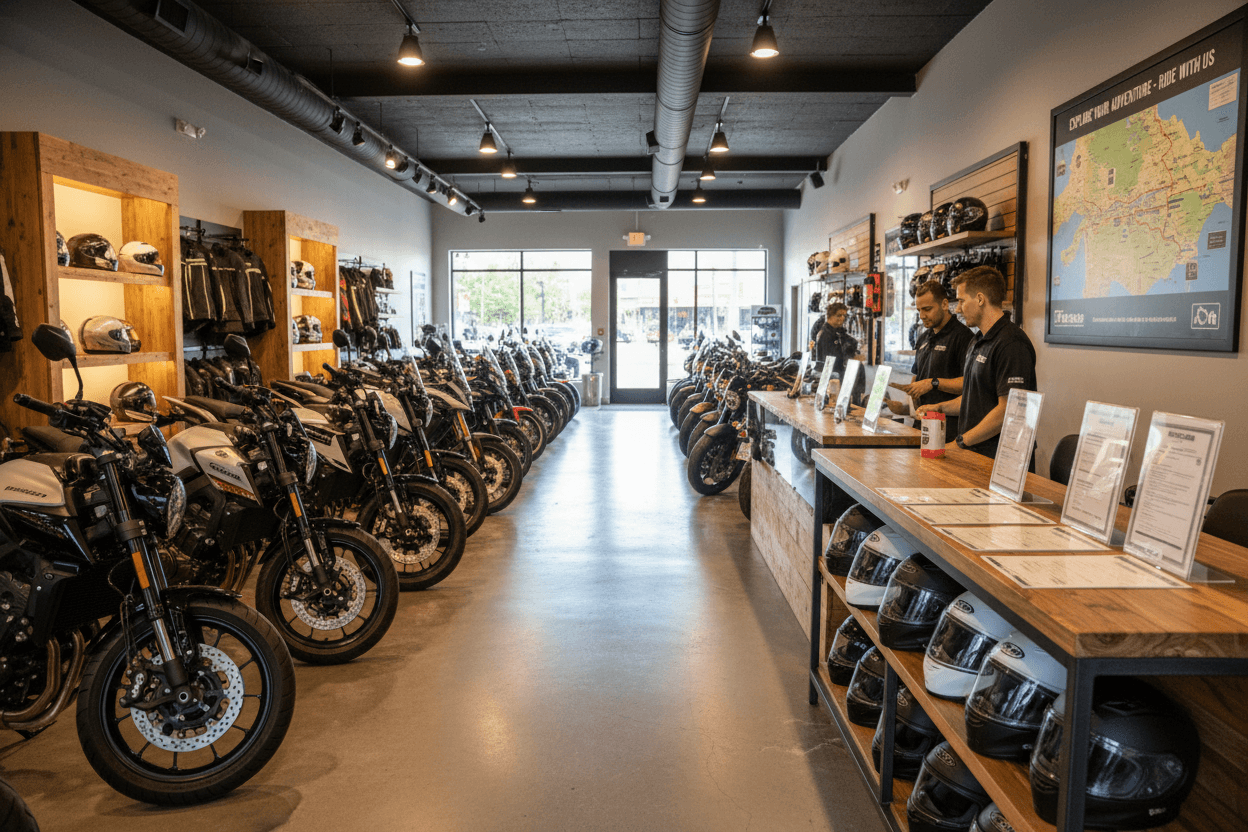
How do you rent a scooter in Thailand without giving up your passport?
The four-step rent-no-passport flow works at any reputable shop in Thailand and removes the single biggest leverage point in every other rental scam. Step 1: walk in with a clean passport copy (full identity page) plus a backup digital scan on your phone. Step 2: agree the daily rate verbally and ask "cash deposit, copy of passport, OK?"; if the shop says "original passport only," walk to the next shop. Step 3: pay the cash deposit (500-2,000 THB is normal; 3,000-5,000 THB for higher-value bikes like NMAX, PCX 160, or any 300cc+) and get a deposit slip with the amount written and the shop's stamp. Step 4: get the rental contract, daily rate, and return date in writing in English; photograph it before you leave.
A passport copy plus cash deposit is the standard at every shop on the Byklo.rent partner network and at the cluster-winner rentals in Chiang Mai, Krabi, Hua Hin, Pai, and Phuket. The no-passport-deposit rental guide lists the specific shops that accept copy-only deposits in each city. Rejecting the original-passport ask is not rude in Thai rental culture; it is the standard practice that vetted shops follow already. The original passport stays in your hotel safe; the copy stays at the shop; you keep your only legal exit document under your control at all times.
Where do scams concentrate? Hotspot vs lower-risk shop types
Different shop types carry different scam-risk profiles in Thailand. Vetted aggregator partners like Byklo.rent's network apply documentation and price-transparency checks before a shop joins, which collapses three of the five named scams to near-zero. Hotel-partnered rental shops (the front-desk recommendation in mid-tier and chain hotels) score next-best because the hotel's reputation is on the line. Established standalone shops in non-hotspot cities (Krabi Town, Chiang Mai's Old City, Hua Hin, Pai) are usually fine because their margin comes from repeat customers and Google reviews. Walk-up street shops on Bangla Road, Beach Road, and Chaweng strip are the highest-risk tier. The table below summarizes the typical scam-risk by shop type.
The risk numbers reflect aggregate community reports, not blanket judgments on any individual shop; many honest operators run from Bangla Road and Beach Road too. The tier point is that the underlying scam exposure changes by location and shop format. Choosing a vetted partner or an established off-hotspot shop reduces your scam surface to near-zero; choosing a mobile or walk-up shop in the worst hotspots stacks every scam against you.
How to do a 60-second pre-ride inspection that prevents disputes
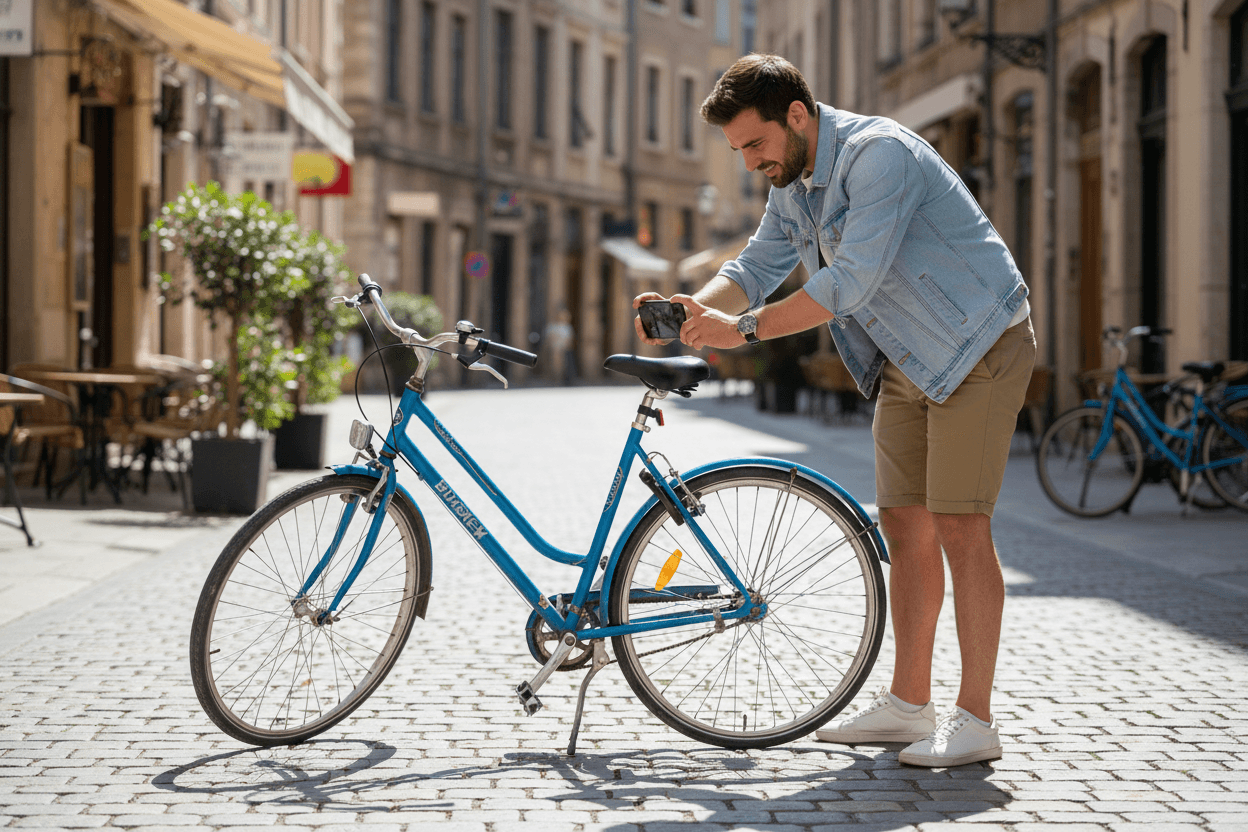
A 60-90 second video walkaround at pickup is the single highest-leverage move in the entire rental. The video creates timestamped, narrated, indisputable evidence that any scratch the shop later claims existed at pickup. The "CSI: Bangkok" sequence: open your phone camera in 4K (or the best resolution you have), film the license plate first while you read it aloud (this anchors the date and bike to the timestamp), then move continuously around the bike narrating every existing scratch, dent, paint chip, and scuff. Cover the front and back fenders, both side fairings, both mirrors, the brake levers (most-scratched part on dropped bikes), the exhaust pipe (look for under-side scratches), the seat hinge, the storage compartment, the dashboard, and the fuel level.
Make sure the rental staff sees you filming. The signal alone collapses 80%+ of would-be scratch claims because the shop knows the evidence will rebut their version. Email the video to yourself before you leave the shop so a phone loss doesn't lose the evidence. The motorbike rental checklist Thailand covers the full 5-minute inspection with annotated example shots, and a public video inspection tutorial on YouTube demonstrates the order and angles. After the inspection, check the contract paperwork: dates, rate, deposit, and return condition all written. No paperwork, no rental.
Frequently Asked Questions
What are the most common motorbike rental scams in Thailand?
The five most common scams in 2026 are the scratch / "mechanical blackmail" scam, the spare-key stolen-bike scam, fake-police shakedowns, the return-rate bait-and-switch, and the passport-hostage deposit. They cluster in three hotspots (Phuket's Patong / Bangla Road, Pattaya's Beach Road / Soi 6, and Koh Samui's Chaweng / Lamai). Vetted shops in non-hotspot cities like Krabi Town, Chiang Mai's Old City, and Pai see scams orders of magnitude less.
Should I leave my passport as a deposit for a Thai motorbike rental?
No. Never leave the original passport as a rental deposit. A passport copy plus a cash deposit of 500-2,000 THB (or 3,000-5,000 THB for higher-value bikes like Yamaha NMAX or Honda PCX 160) is the standard at reputable Thai shops. Once a shop holds the original, any "scratch fee" or "scratch claim" they invent is enforceable because you can't fly out without your travel document. The Royal Thai Embassy explicitly advises against the passport-as-deposit arrangement.
How do I tell a fake-police shakedown from a real Thai checkpoint?
Real Royal Thai Police checkpoints are multi-officer, marked with cones, set up at a fixed pull-over zone, and issue printed tickets payable at the station within 7 days. Fake shakedowns are solo, mobile, in a half-uniform (often a tan shirt with no rank insignia), and demand cash on the spot with no paperwork. If a stop produces no printed ticket, ask to follow them to the station to pay there. Real officers will agree; scammers will wave you on. Tourist Police hotline 1155 verifies any stop in real time.
What should I film during the pre-ride video walkaround?
Film a continuous 60-90 second 4K walkaround narrating every existing scratch, dent, paint chip, scuff, and missing trim. Start with the license plate (timestamp anchor), then cover both side fairings, both mirrors, both brake levers, both fenders, the exhaust pipe (under side included), the seat hinge, the storage area, the dashboard, and the fuel level. Make sure shop staff sees you filming. Email the video to yourself before you ride away.
What's the legal cash-deposit range in Thailand?
The standard cash deposit for a 110-125cc Honda Click or Yamaha Filano is 500-2,000 THB. For 150-160cc bikes (Yamaha NMAX, Honda PCX 160, Yamaha Aerox 155) the deposit climbs to 2,000-5,000 THB. For 300cc+ manual bikes (Honda CB300R, Kawasaki Versys-X 300) and big bikes (500cc+) deposits run 5,000-20,000 THB. All deposits should be cash, with a written deposit slip and the shop's stamp; Thai law has no minimum or maximum but treats the deposit as a civil contract obligation.
Is it safer to book a rental online before I land in Thailand?
Yes. Pre-booking through a vetted aggregator like Byklo.rent locks the daily rate, deposit amount, return rate, and contract terms in writing before you arrive. That removes the entire bait-and-switch surface and reduces the passport-hostage and scratch-scam exposure to near-zero because aggregator partners are screened on documentation discipline before they join the network. Pre-booking also enables hotel or airport delivery, so you skip the Bangla Road and Beach Road walk-in shops entirely.
What do I do if I'm already in a scam dispute at return?
Stay calm and don't pay yet. Show the shop your pickup walkaround video; most disputes collapse there. If the shop escalates, refuse to pay anything not in the written contract and call Tourist Police 1155. Document the scene: photograph the bike, the contract, and the deposit slip. If you booked through an aggregator, contact the platform's dispute-resolution line; they negotiate fair-market repair pricing on your behalf. Most importantly, refuse to hand over your passport or other ID under any pressure; Thai law does not require you to surrender either to the rental shop.
Skip the Bangla Road gauntlet entirely
Thailand motorbike rental scams are real, regional, and predictable. The five named patterns concentrate in three hotspots, follow a small set of leverage tactics, and collapse against four counter-actions: cash-deposit-only, written contract in English, 4K pre-ride video, and never the original passport. Pre-booking with a vetted partner removes the gauntlet from the start. Compare verified shops, see real renter reviews, and lock in your bike at Byklo.rent, with hotel and airport delivery in 15 cities, deposits paid in cash, and your passport staying exactly where it should: in your hotel safe.