The Nan Loop motorcycle route is Thailand's quietest mountain ride in 2026: roughly 600 km through Nan Province in the country's north-east, four to five days from a Chiang Mai rental base on Route 1091 to Phrae, then Route 101 to Nan Town and Route 1256 over Doi Phu Kha to Bo Kluea. Rent a 250-300cc manual (Honda CRF300 Rally, Kawasaki Versys-X 300) at 500-1,200 THB per day in Chiang Mai for the elevation and the gravel sections; a 150-160cc PCX or NMAX works for riders who keep to paved roads. Versus the 600 km loop (1,864 curves on Routes 1095 and 108, with the packed Pai stop), the Nan Loop trades curve count for fewer tour vans, terraced rice, and Mlabri and Lua hill-tribe villages most foreigners never see.

Key Takeaways
- Total distance: roughly 600 km counterclockwise from Chiang Mai through Phrae, Nan Town, Bo Kluea, and Pua, completed comfortably in 4-5 days, or stretched to 6-7 days with rest stops in the Pai valley on the way home.
- Rental base: pick up your bike in Chiang Mai (Old City, Nimman, or Kotchasarn Road big-bike shops) for 150-300 THB/day on a 125cc, 250-450 THB on a Honda PCX 160 or Yamaha NMAX, or 500-1,200 THB on a Honda CRF300 Rally / Kawasaki Versys-X 300.
- Bike-class recommendation: a 250-300cc manual is the right tool for Doi Phu Kha (1,980 m peak) and the Bo Kluea descent on Route 1256; a 150-160cc maxi-scooter handles the paved 1091 / 101 / 1080 sections; avoid 110-125cc Click-class scooters for Doi Phu Kha grades.
- Best season: November to February, dry and 12-22°C in the mountains. The May-October monsoon turns the unpaved Doi Phu Kha shoulders to mud and triggers landslides on Route 1256.
- Marquee stops: Wat Phumin (16th-century murals in Nan Town), Wat Phra That Khao Noi (city viewpoint), Doi Phu Kha National Park, Bo Kluea salt-well village, Sapan waterfall village, Pua weaving cooperatives, Phrae's Khum Chao Luang teak palace.
- Fuel and cash: budget 1,500-2,500 THB total fuel for the loop on a 250cc manual; ATMs are reliable in Phrae, Nan Town, and Pua but absent in Bo Kluea, Sapan, and the Doi Phu Kha summit area, so carry 5,000-10,000 THB cash from Nan Town onward.
Why ride the Nan Loop instead of the Mae Hong Son Loop?
The Nan Loop is the quieter alternative to northern Thailand's headline loop for riders who want northern Thai mountain riding without the Pai-Mae Hong Son tour-van traffic. Mae Hong Son is the famous 600 km / 1,864-curve loop on Routes 1095 and 108 with a packed circuit of Pai, Soppong, Mae Hong Son town, and Mae Sariang. The Nan Loop trades curve count for terraced rice, ethnic-minority villages (Lua, Mlabri, Hmong, Khamu, Tai Lue), salt-well economies that have run since the 13th century at Bo Kluea, and a 16th-century mural temple at Wat Phumin that is the equal of anything in Chiang Mai. Where Pai sees 250,000 foreign tourists a year, Nan Town still feels like a working provincial capital. Nan is the connoisseur's eastern alternative to Mae Hong Son, and the pairing logic with Phrae, Lampang, and the Golden Triangle is mapped in Thailand's six iconic motorcycle regions.
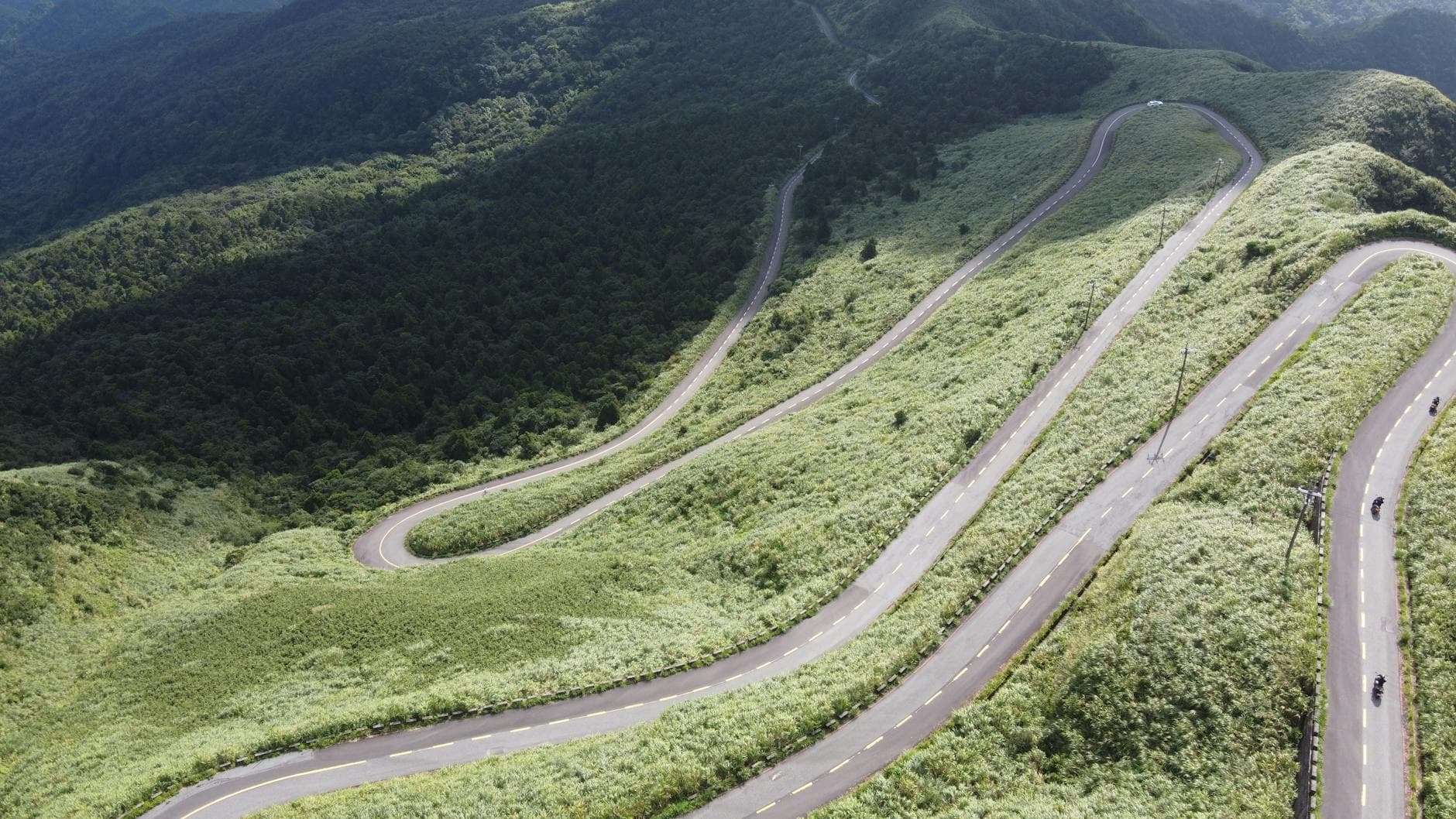
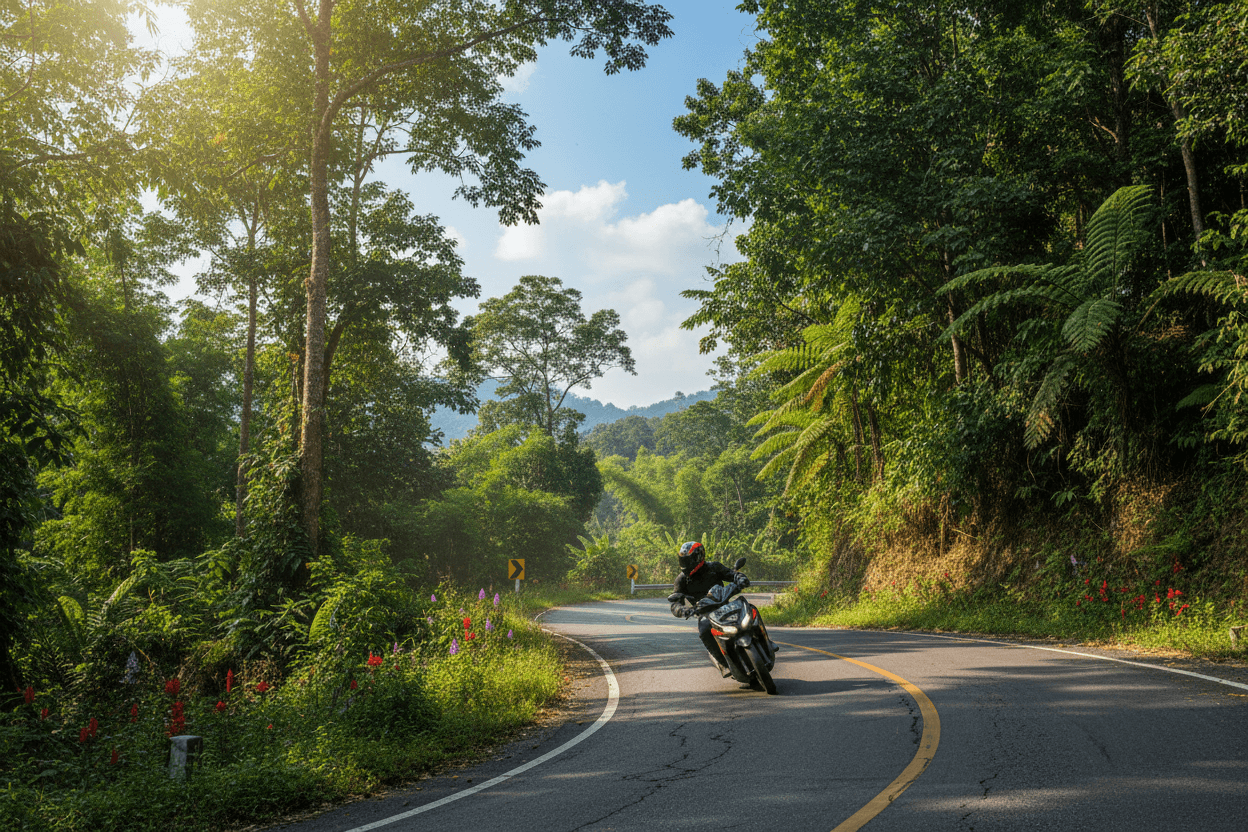
The riding character is different too. Mae Hong Son's defining feature is the curve density: Route 1095 between Chiang Mai and Pai is six curves per kilometre. The Nan Loop's character is the elevation profile and the surface variety. Route 1256 from Pua over the Doi Phu Kha pass to Bo Kluea is the loop's signature climb, with switchbacks topping out near 1,700 m and patchy gravel shoulders that punish a 110cc Click. Route 1080 from Bo Kluea back to Pua via the Sapan Village turnoff is a tight, jungle-walled ribbon that rewards a manual gearbox.
Pair the Nan Loop with two or three rest days in Phrae (the teak heartland), Lampang (the horse-cart town and Wat Lampang Luang), or back through the Pai mountain town on the return leg to round out a 7-10 day northern Thailand trip. The Lampang detour adds about 100 km via Route 1 / 11 and avoids retracing the outbound Phrae section.
Day-by-day Nan Loop itinerary from a Chiang Mai rental base
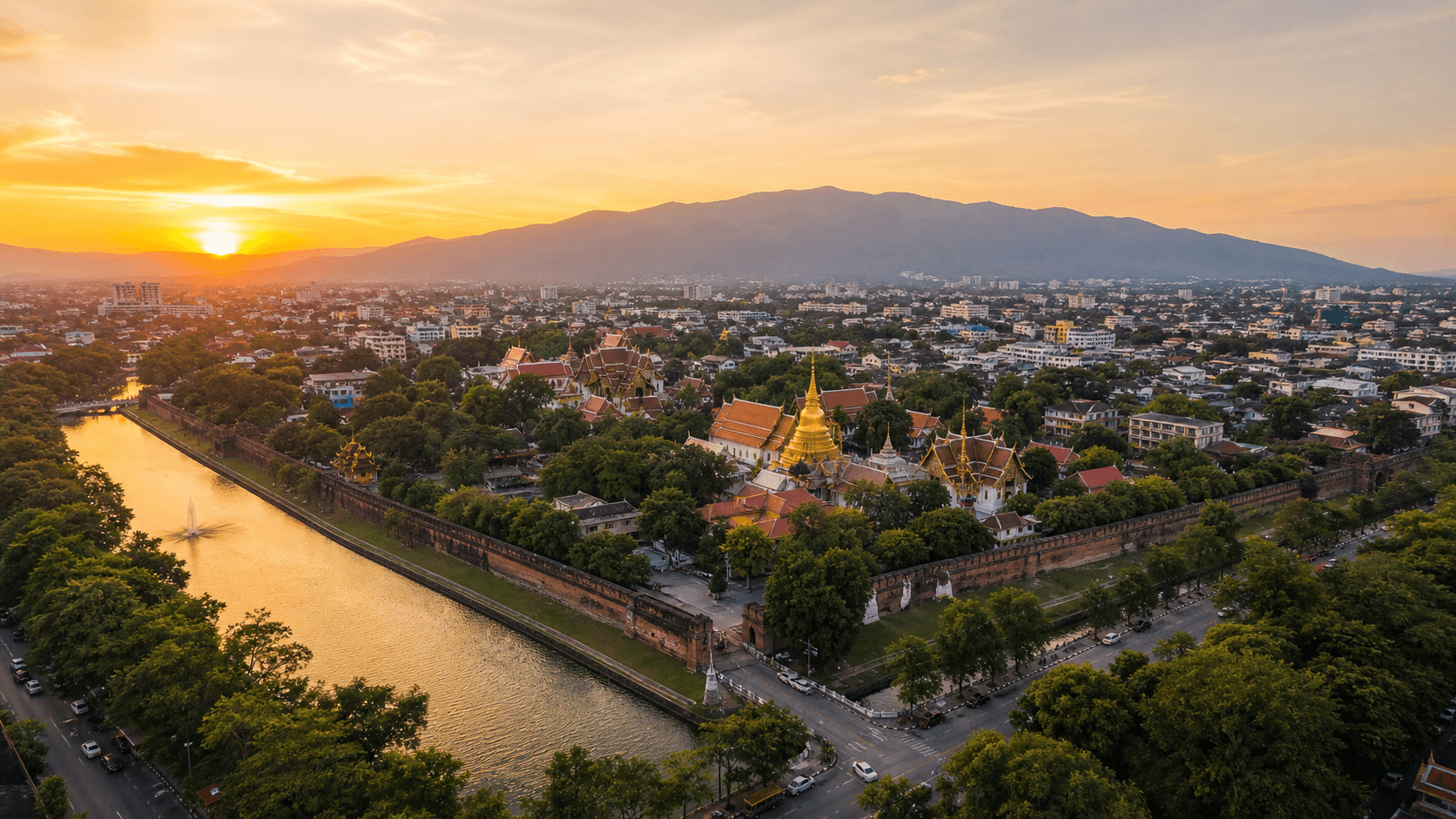
A 4-day Nan Loop from Chiang Mai breaks into one transit day to Phrae, one full day in and around Nan Town, one signature day over Doi Phu Kha to Bo Kluea and back, and one return day via Lampang or directly through Phrae. Adding a fifth day lets you sleep in Sapan Village or extend the Pua stop for the weaving cooperatives; adding a sixth lets you exit through the Pai mountain town and turn the trip into a true northern Thailand circuit. Distances below assume Old City Chiang Mai pickup at an Old City rental shop and the standard counterclockwise direction.
The transit day from Chiang Mai to Phrae runs around 215 km on Route 11 / 101, mostly four-lane highway with steady traffic, an easy day on any 150cc-plus bike. Phrae's Khum Chao Luang (the old teak governor's palace) and the surrounding teak-heritage neighborhood are worth a half-day if you arrive before 15:00; otherwise overnight in Phrae and roll into Nan Town the next morning on Route 101 (about 120 km, 2-3 hours).
Day three is the signature ride: Nan Town → Pua (60 km on Route 1080, paved, easy) → Bo Kluea via Route 1256 over Doi Phu Kha (50 km, 2 hours minimum, switchbacks and gravel shoulders) → loop back to Pua or push on to Sapan (35 km on Route 1081, jungle ribbon). Total day-three riding is around 145-180 km but feels twice as long because of the elevation and surface variety. Day four returns to Chiang Mai via Phrae and Lampang's Wat Lampang Luang (about 350 km on Routes 101 / 1 / 11), the longest seat-day of the loop.
What is the best bike for the Nan Loop in 2026?
The best bike for the Nan Loop is a 250-300cc manual adventure bike (Honda CRF300 Rally, Kawasaki Versys-X 300, Honda CB300R) for Route 1256's elevation and gravel shoulders, with a 150-160cc maxi-scooter (Honda PCX 160, Yamaha NMAX, Yamaha Aerox 155) as the practical second choice for riders who skip the Doi Phu Kha climb. A 110-125cc Honda Click handles the paved Phrae and Nan Town sections but runs out of brakes and torque on the Route 1256 descent into Bo Kluea, where the gradient holds 8-12% for kilometres. Big bikes (Honda CB500X, Kawasaki Versys 650) work for two-up touring on the highway sections but are overkill on Route 1080's tight jungle corners.
Engine braking is the silent factor that separates the right bike from the wrong one. A CVT scooter coasts on a closed throttle; on the Doi Phu Kha descent that means continuous brake-pad application for 30-40 minutes, which boils the front fluid and fades the lever before the bottom. A geared 250-300cc bike lets you drop into second and use the engine to hold speed, saving the brakes for emergencies. The Honda CRF300 Rally is the standout pick because the suspension travel also absorbs Route 1256's broken edges, where a tight-suspension PCX gets shaken over potholes you cannot see in time.
The 250-300cc class is also the right tool for the four-day Mae Hong Son ride, so a single rental can cover both routes on a longer northern Thailand trip. Big-bike specialists like the Kotchasarn Road shops in Chiang Mai carry the CRF300 Rally and the Versys-X 300; cash deposits run 5,000-10,000 THB and a passport copy is the norm. Walk away from any shop demanding the original passport; that is the passport-hostage scam regardless of where in Thailand you are.
When is the best season to ride the Nan Loop?
The best season for the Nan Loop is mid-November to mid-February, with daytime temperatures of 22-28°C in the valleys and 12-18°C at the Doi Phu Kha pass. December and January are the driest and clearest months; the Nan Sea-of-Mist viewpoints from Wat Phra That Khao Noi and the Doi Phu Kha summit area are reliably visible at sunrise. Outside this window the loop is rideable but each season carries a specific risk: March-April for hot-season haze and burning-season smoke (PM2.5 readings spike well above 200 across northern Thailand), May-October for monsoon flooding and Route 1256 mud, and the late-October shoulder for residual mud on the Doi Phu Kha shoulders.
The Yi Peng and Loy Krathong festivals in Chiang Mai in November are a useful pre-loop bookend if your timing allows; rental availability in Chiang Mai tightens during the festival week itself, so book the bike 2-3 weeks ahead. The Songkran water-festival window (April 13-15) is a hard avoid: the Phrae and Nan Town stretches have full water-throwing on every road, the CVT and electrical systems on rental scooters routinely fail from water ingestion, and the 8,000-20,000 THB water-damage repair bills come straight out of your deposit.
What are the must-stop landmarks on the Nan Loop?
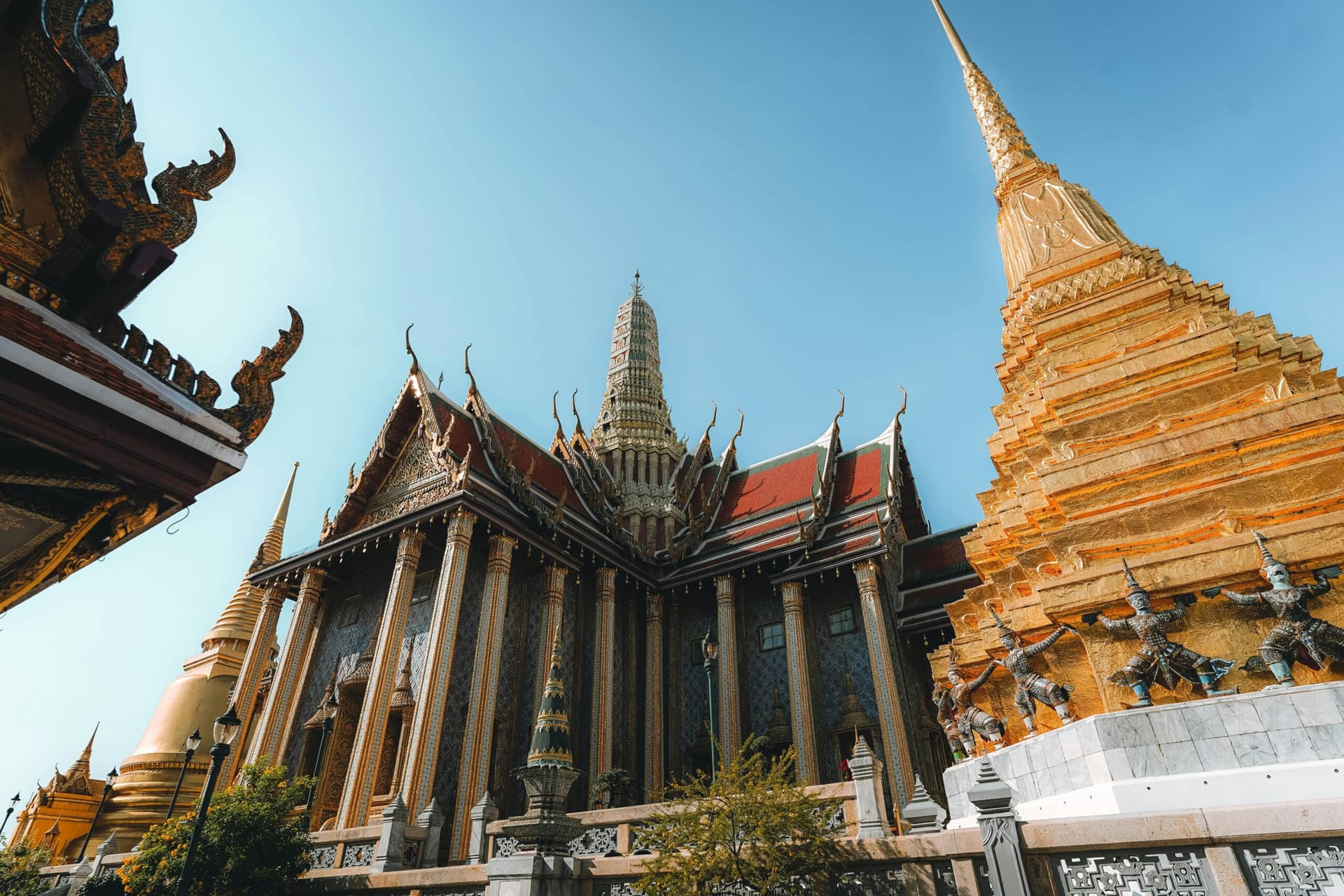
The Nan Loop's signature stops cluster in three groups: the Phrae and Nan Town historical core, the Pua / Sapan / Bo Kluea triangle on Routes 1080 / 1256 / 1081, and the Doi Phu Kha National Park summit area. Wat Phumin in Nan Town is the loop's marquee cultural stop: a single-storey teak temple dating from 1596 with a 19th-century mural cycle (the famous "whispering man" panel) that ranks alongside the Wat Phra Singh murals in Chiang Mai. Wat Phra That Khao Noi is a 10-minute scooter ride west of the city centre and gives the standard Nan Town panorama; sunrise here is the Nan Sea-of-Mist photo most travellers come for.
Doi Phu Kha National Park is the natural anchor: a 1,704 km² protected area peaking at 1,980 m, with the Chompoo Phu Kha tree (a Bretschneidera sinensis endemic that flowers pale-pink in February) as the iconic species. Bo Kluea is a 13th-century salt-extraction village 50 km east on Route 1256; the open salt wells are still worked by Lua-descent families. Sapan is a small Tai Lue village 35 km south of Bo Kluea on Route 1081 with a waterfall, a homestay culture, and a single coffee shop that punches above its weight. Pua is the loop's textiles hub, with weaving cooperatives producing Tai Lue indigo cotton; it makes the natural overnight base if you skip Sapan.
For the cultural-etiquette layer, treat the hill-tribe villages as working communities, not living museums. Lua, Mlabri, Hmong, Khamu, and Tai Lue villages all live along or near the loop, and a respectful approach is the difference between a welcomed visit and an intrusive one. Ask before photographing people, buy something at the homestay or weaving shop if you stop, and remove shoes at any temple or invited home. The Royal Project foundation has supported development in several of these villages since the 1970s; their visitor centres are the easiest entry point if you have not visited a hill-tribe village before.
Where to stay along the Nan Loop
Accommodation along the Nan Loop ranges from 400 THB Phrae teak guesthouses to 3,000 THB Nan Town boutique stays, with rural homestays in Sapan and Pua sitting at 600-1,000 THB including breakfast. Phrae has the deepest Western-style hotel inventory (the heritage teak-house guesthouses near Khum Chao Luang are the recommended choice for a one-night transit stop). Nan Town carries the loop's only properly mid-range hotel cluster, with riverside boutique stays at Pua Boutique Resort, Khum Yangnoi Boutique Resort, and several heritage shophouse conversions in the old town. Bo Kluea has two functional guesthouses; both are basic and book out during festival weekends.
Pua is the loop's most underrated overnight base. The town sits at the junction of Routes 1080 and 1256, with the weaving cooperatives walkable from a central guesthouse, and the Doi Phu Kha entrance only 25 km away on Route 1256. Sapan Village pushes the homestay character further: a 30-room village with a handful of farmstay-style rooms, a waterfall, and a chronic shortage of motorcycle fuel that means you should top up at the Pua PT station before turning south on Route 1081. Booking ahead by phone or LINE is the local norm; foreign-facing booking platforms cover Phrae and Nan Town reliably but skip many Pua and Sapan options.
For a Chiang Mai-side overnight on the return, Pai extends the loop into a wider northern Thailand circuit and adds 250 km on Route 1095 (the famous 762-curve Pai Loop scooter rental guide section). Lampang makes more sense as a single-night break on the return leg if you want a horse-cart old town and Wat Lampang Luang without doubling back through Phrae.
Frequently Asked Questions
How long does the Nan Loop take?
Plan four to five days for the full counterclockwise loop from Chiang Mai through Phrae, Nan Town, Doi Phu Kha, and back. Three days is possible but punishing: you skip the Wat Phumin and weaving-cooperative stops and arrive home tired. Six to seven days lets you sleep in Sapan, take a full day in Pua for the textiles, and add a Lampang or Pai overnight on the return.
Can I do the Nan Loop on a 125cc scooter?
You can do the paved sections on a 125cc Honda Click (Routes 1091, 101, and 1080 are easy paved riding), but the Doi Phu Kha climb on Route 1256 is the wrong surface for a Click-class scooter. The descent into Bo Kluea holds 8-12% gradient for kilometres, fades CVT brake systems, and lets you slide on the gravel shoulders. Rent a 150-160cc PCX 160 or NMAX as the practical minimum and a 250-300cc Honda CRF300 Rally as the recommended choice.
Is the Nan Loop harder than the Mae Hong Son Loop?
The Nan Loop has fewer total curves than the 1,864-curve route (about 800-1,000 versus 1,864) but the elevation profile on Route 1256 over Doi Phu Kha is a steeper one-day climb than anything on Route 1095 or 108. Mae Hong Son's challenge is endurance over 1,864 curves; Nan's challenge is the Doi Phu Kha section's gradient and surface variety. Most experienced riders rate them as equivalent in difficulty and pick based on traffic preference rather than skill required.
Where should I rent a motorbike for the Nan Loop?
Rent in Chiang Mai. The Old City and Nimman fleets are the deepest in northern Thailand, daily rates start at 150-300 THB for a 125cc and 500-1,200 THB for a 250-300cc manual, and big-bike specialists on Kotchasarn Road carry the Honda CRF300 Rally and Kawasaki Versys-X 300 you actually want for Doi Phu Kha. Phrae has limited rental inventory at higher prices; Nan Town and the airport (NNT) are sparse. The 215 km Chiang Mai → Phrae transit day on Route 11 / 101 is a fair trade-off for the better fleet.
Is the Doi Phu Kha pass paved?
The main road over Doi Phu Kha National Park (Route 1256 between Pua and Bo Kluea) is paved but the surface varies: stretches of fresh asphalt alternate with patched single-lane, broken edges, and unpaved shoulders. After heavy rain in the May-October monsoon, mud and landslides routinely close one or both lanes for hours. The pass is rideable on a 150cc-plus bike in the November-February dry season; outside that window plan the paved-only variant on Routes 1091 / 101 / 1080 and skip Route 1256.
Are there ATMs and gas stations along the Nan Loop?
ATMs are reliable in Phrae, Nan Town, Pua, and Bo Kluea (Government Savings Bank). Gas stations are dense on Route 11 and 101 and in Nan Town; Pua's PT station is the last reliable fuel before the Doi Phu Kha climb. Bo Kluea, Sapan Village, and the Doi Phu Kha summit area do not have full-service stations, so top up to a full tank at Pua before going east on Route 1256 or south on Route 1081. Carry 5,000-10,000 THB cash from Nan Town onward; small village shops and homestays are cash-only.
What about hill-tribe villages and cultural etiquette?
The Nan Loop passes Lua, Mlabri, Hmong, Khamu, and Tai Lue villages, several with homestays and weaving cooperatives. Treat them as working communities: ask before taking portraits, buy something if you stop for longer than a photo, remove shoes at temples and invited homes, and accept a no quietly. The Mlabri are a small forest-dwelling group of a few hundred people around Doi Phu Kha; concentrated tourist attention has pushed some Mlabri families away from the visible roadside, so do not push closer if a household clearly prefers distance. The Royal Project visitor centres are the easiest first contact point if you have not visited a hill-tribe village before.
Plan your Nan Loop and a verified Chiang Mai rental
Rent a Honda CRF300 Rally or Kawasaki Versys-X 300 from a verified Chiang Mai Old City or Kotchasarn Road shop at 500-1,200 THB per day for 2026, ride the 215 km transit on Route 11 / 101 to Phrae, and link Wat Phumin in Nan Town with the Doi Phu Kha climb to Bo Kluea on Route 1256 over four to five days. Pair the Nan Loop with the Route 1095 to Pai and beyond circuit (600 km, 1,864 curves) on a longer northern Thailand trip, or extend the return leg through Pai on Route 1095. Compare verified shops, see real renter reviews, and lock in your bike at Byklo.rent, with free hotel delivery across Chiang Mai's Old City, Nimman, and Santitham.