How to get to Koh Lanta in 2026: four practical routes serve Ko Lanta Yai, the developed southern island in the Mu Ko Lanta archipelago. The Krabi-Lanta passenger ferry from Klong Jilad Pier runs 400-500 THB and 2 hours but only operates November to April. The Phuket-Lanta speedboat via Phi Phi runs 900-1,200 THB and 3 hours in high season. The year-round minivan plus car-ferry combo from Krabi Town or Krabi Airport (KBV) costs 350-450 THB and 2-4 hours, using the Hua Hin pier crossing to Lanta Noi and the bridge to Lanta Yai. Private taxi-and-ferry runs 2,500-2,800 THB per vehicle and 1.5-2 hours.
Key Takeaways
- High-season ferries (Nov-Apr): 400-500 THB Krabi-Lanta passenger boat from Klong Jilad Pier to Saladan Pier, 2 hours; 900-1,200 THB speedboat from Phuket via Phi Phi, 3 hours.
- Year-round option: minivan plus car ferry at the Hua Hin pier (Ban Hua Hin), 350-450 THB, 2-4 hours, runs in any weather and is the only sea-bridge route in low season.
- Krabi Airport (KBV) transfer: 350-400 THB shared minivan or 2,500-2,800 THB private taxi; 1.5-2 hours by road plus the Hua Hin car ferry plus the Lanta Noi-Lanta Yai bridge.
- Phuket Airport (HKT): no direct ferry; combine HKT to Phuket Rassada Pier (1 hour), then speedboat to Saladan (3 hours), or HKT to Krabi by bus/taxi (3 hours), then onward to Saladan.
- Once on the island: 200-300 THB per day rents a 125cc Honda Click; an International Driving Permit with the motorcycle "A" endorsement is mandatory under Thai law.
- Book ahead in high season: peak weeks around Christmas, New Year, Chinese New Year and Songkran (April) sell out the Krabi-Lanta ferry days in advance.
How long does it take to get to Koh Lanta from Krabi, Phuket, and Bangkok?
The Krabi to Koh Lanta journey takes 2 hours by passenger ferry (high season) or 2-4 hours by year-round minivan plus car ferry, depending on the queue at the Hua Hin pier. The Phuket to Koh Lanta speedboat via Phi Phi runs about 3 hours in high season. From Bangkok the trip is a full day: a 1.5-hour Bangkok-Krabi flight from Suvarnabhumi (BKK) or Don Mueang (DMK) plus the 2-3 hour onward transfer from Krabi Airport (KBV) to your Lanta Yai hotel.
The reason transit times stretch beyond the map distance is the geography. Ko Lanta Yai is the larger, more developed of two main islands in the Mu Ko Lanta National Park; Ko Lanta Noi sits between Yai and the mainland and is connected to Yai by the Siri Lanta Bridge (opened 2016). The crossing from the mainland uses a short car-ferry hop at the Hua Hin pier (also called Ban Hua Hin pier, not the Hua Hin city in central Thailand) onto Lanta Noi, then the bridge across to Lanta Yai. That bridge means there is now a road route year-round, but the Ko Lanta archipelago is still effectively island-access in high-season weather terms.
The single biggest variable on transit time is the car-ferry queue. In peak season at midday or late afternoon, the wait at the Hua Hin pier can stretch to 60-90 minutes. If you can leave Krabi or the airport before 10:00 or after 16:00, you'll usually clear in 10-20 minutes.
Option 1: Krabi to Koh Lanta by passenger ferry or year-round minivan
Krabi to Koh Lanta is the workhorse route, with two distinct services that swap places by season. The high-season passenger ferry runs from Klong Jilad Pier in Krabi Town to Saladan Pier on Ko Lanta Yai for 400-500 THB and about 2 hours, with morning (11:30) and afternoon (14:30) departures and a brief stop at Ko Jum. The year-round combined minivan plus car-ferry service runs hourly from 8:00 to 16:00, costs 350-450 THB, and takes 2-4 hours door-to-door including the Lanta Noi-Lanta Yai bridge crossing.
The passenger ferry is the more pleasant option when it runs. You sit on an open-deck boat, watch karst scenery for 90 minutes, and step off at Saladan in the heart of the island's main hub. Tickets are sold at Klong Jilad ticket booths, hotel desks across Krabi Town and Ao Nang, and online through aggregators. The route is operated seasonally by Tigerline Ferry, Bundhaya Speed Boat, and Ao Nang Princess depending on the year; schedules and operators rotate, so confirm at booking time rather than from a static schedule.
The minivan plus car-ferry combo is the year-round backbone. A van picks you up from your Krabi Town hotel, the bus station, or KBV airport, drives 90 minutes south on Highway 4, queues for the short car-ferry hop at Ban Hua Hin to Ko Lanta Noi, then drives across the Siri Lanta Bridge to Ko Lanta Yai and drops you at your hotel. One operator handles the whole chain, so a missed connection isn't your problem to solve.

Option 2: Phuket to Koh Lanta by speedboat (high season only)
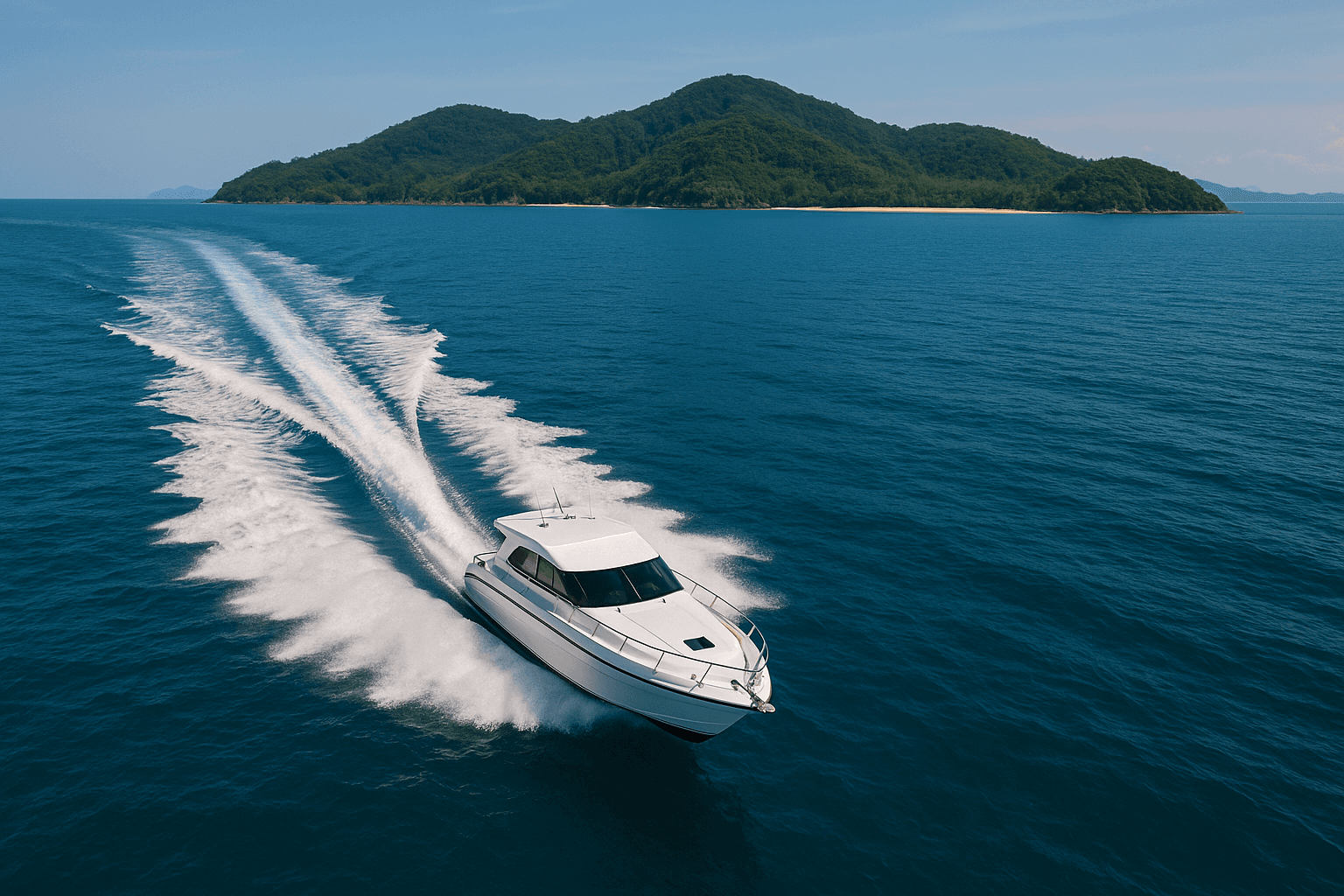
The Phuket to Koh Lanta speedboat is the only direct sea route from Phuket and runs roughly 3 hours via a stop at Phi Phi Don. Departures leave Rassada Pier on Phuket's eastern coast around 08:00-09:00, reach Tonsai Bay on Ko Phi Phi mid-morning, and arrive at Saladan Pier on Ko Lanta Yai by lunchtime. Tickets run 900-1,200 THB per adult in 2026 and include the Phi Phi transfer; many travelers spend a night on Phi Phi and pick up the same speedboat the next day.
The Phuket route is fast in calm weather and brutal when the Andaman gets choppy. A 3-hour speedboat ride into a 1-meter swell is genuinely uncomfortable and can leave you seasick on arrival. From late April or May through October the wind shifts and operators suspend the open-water portions of the route entirely. If you are flying into Phuket Airport (HKT) and want to reach Lanta in the off-season, you'll route via Krabi Town (HKT to KBV by car, 3 hours, or HKT to Krabi by bus, 4 hours) and pick up the year-round minivan plus car-ferry service at that end.
For travelers who can flex their dates, the Phuket-Phi Phi-Lanta sequence is one of the better island-hopping itineraries in the country. Spend two nights in Phi Phi for the snorkeling reefs of Ko Phi Phi Leh and Maya Bay, then continue to Lanta for the longer beaches and quieter pace. The Krabi island-hopping tour guide covers the day-trip variants from a Lanta or Krabi base.
Option 3: Ao Nang to Koh Lanta by speedboat or minivan combo
Ao Nang to Koh Lanta runs 90-120 minutes by speedboat in high season or 3 hours by year-round minivan combo. The Ao Nang speedboat departs from Nopparat Thara Pier (the same pier used for Phi Phi day-trips), costs 650-900 THB, and runs once or twice daily from November to April. The Ao Nang minivan plus car-ferry service costs 350-600 THB depending on pickup location and runs all year.
Choose the speedboat if you are on a tight schedule and the weather is calm. Choose the minivan if it's monsoon season or you want predictable pricing and door-to-door service. The minivan can feel painfully slow when the driver makes 5-8 hotel drop-offs across Klong Dao, Phra Ae, Klong Khong, and Klong Nin, but the alternative is an unscheduled extra night somewhere on the mainland if the seas cancel the speedboat.
If you are deciding whether to base your Krabi province trip in Krabi Town, Ao Nang, or directly on Lanta, the Krabi Town vs Ao Nang rental comparison covers the practical pros and cons including this transfer-hub question. For the airport-to-Ao-Nang leg specifically, see the Krabi Airport to Ao Nang transportation guide.
Option 4: Private taxi and self-drive from Krabi Airport (KBV)
A private taxi from Krabi Airport (KBV) to Ko Lanta Yai costs 2,500-2,800 THB per vehicle and runs 1.5-2 hours total including the Hua Hin car ferry. The driver collects you at arrivals, drives 90 minutes south on Highway 4, queues for the car ferry to Lanta Noi, crosses the Siri Lanta Bridge, and drops you at your hotel anywhere on Ko Lanta Yai. For four travelers splitting the fare, this works out to 625-700 THB per person and beats the shared minivan on time, comfort, and luggage handling.
Self-drive is the other "private" option and the cheapest if you have a license. Rent a car or motorbike in Krabi Town or at the airport, drive south on Highway 4 to Ban Hua Hin pier, pay 50-100 THB per car (or 50 THB per motorbike) plus 10 THB per passenger for the car ferry, and continue across the bridge. Once on Ko Lanta Yai, you keep the wheels for the duration of your stay, which is the best argument for renting in Krabi rather than on Lanta itself if you have multi-day plans.
The catch on self-drive: Thai law requires a valid home-country motorcycle license plus the IDP requirement (Geneva-Convention IDP with the "A" motorcycle endorsement), not a car-only IDP. A Thai police checkpoint anywhere along Highway 4 fines 500-1,000 THB on the spot for either a missing IDP or a missing motorcycle endorsement on the IDP, and your travel insurance is voided in any subsequent accident.
Route comparison: time, cost, and seasonality side-by-side
The four routes cover different priorities: cheapest, fastest, most reliable in monsoon, and most comfortable. Use the table below to match the route to your trip type.
The pricing reflects 2026 published rates from operators including Tigerline, Bundhaya Speed Boat, and Ao Nang Princess where applicable, plus shared- and private-transfer aggregators for the road-and-ferry options. Speedboat pricing is more volatile than ferry pricing because operators adjust to fuel costs and seasonal demand more frequently. Always confirm the price at booking, not from a static rate sheet, and book through the operator's site or a reputable aggregator rather than a beach-touts kiosk.
For the high-traffic peak weeks (Christmas-New Year, Chinese New Year, and the early-April Songkran festival), book transfers 7-14 days in advance. The Krabi-Lanta passenger ferry is the first to sell out because seat capacity is fixed; the minivan combo has more elasticity but the car-ferry queue lengthens.
When does the Krabi-Lanta ferry stop running?
The Krabi-Lanta passenger ferry and most speedboat services suspend operations from late April or early May through late October or early November each year, when the southwest monsoon arrives in the Andaman Sea. The exact dates shift annually with weather; published high-season schedules typically run from 1 November to 30 April, with operators winding down speedboats progressively through April as the wind picks up. During the suspension, the only sea-bridge route is the year-round minivan plus car-ferry service via the Hua Hin pier and the Siri Lanta Bridge.
If you are travelling May to October, build your itinerary around the year-round option from the start. The minivan combo runs in any weather (the Hua Hin car ferry is a short, sheltered crossing that handles monsoon swell fine), so the trip itself is reliable. What changes is shoulder-season pricing on the island, hotel availability (many resorts close entirely in low season), and the ferry-network connections to other Andaman islands, which mostly stop. Phi Phi day-trips, Hong Island tours, and the Ko Rok and Ko Haa snorkeling boats all pause from May through October.
For year-round island access at the same scale as Lanta but without the monsoon shutdown, Ko Samui on the Gulf of Thailand side runs ferries year-round because the Gulf monsoon timing is opposite the Andaman's.
Once you arrive: getting around Ko Lanta Yai
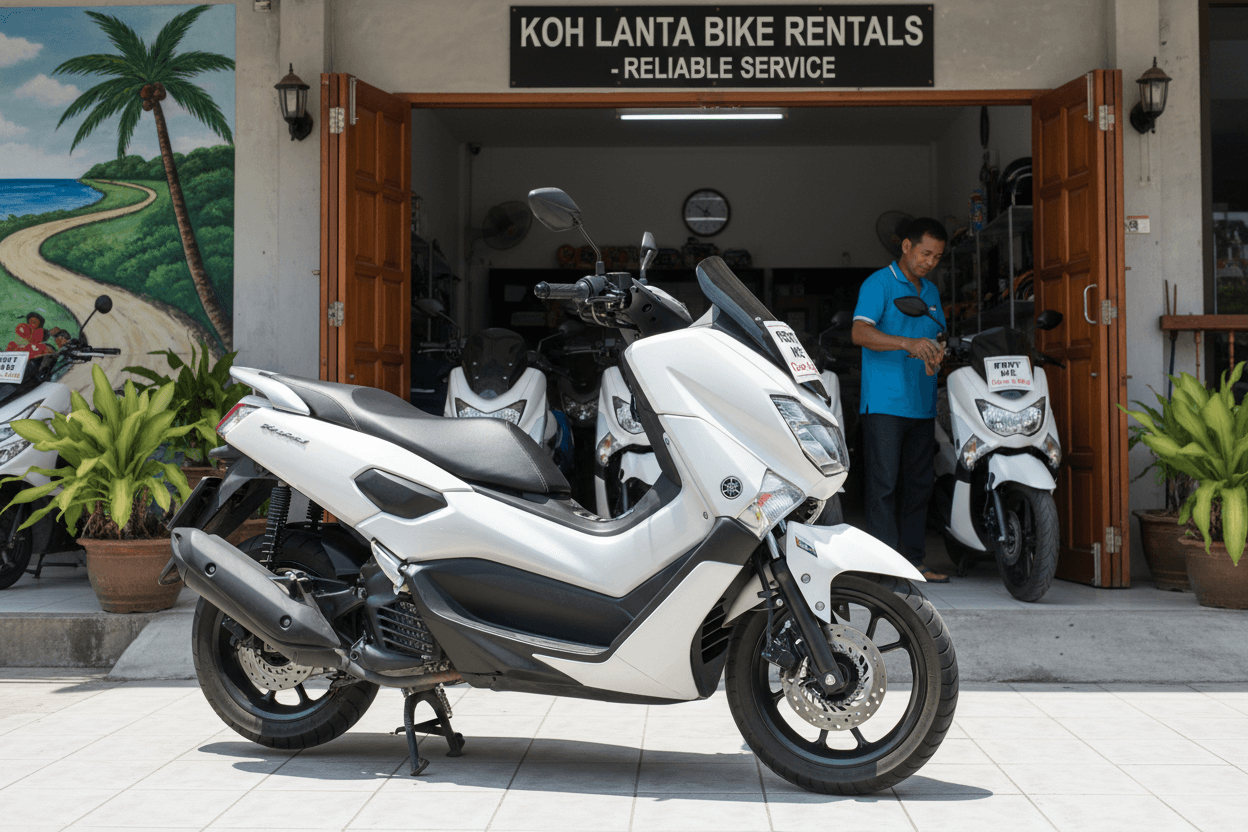
A 125cc scooter rental at 200-300 THB per day is the standard way to explore Ko Lanta Yai, which stretches 25 km north-to-south from Saladan to Bamboo Bay. Songthaews (shared pickup taxis) run the main west-coast road for 30-80 THB depending on distance, and rental cars start at about 1,000 THB per day for travellers who prefer air-conditioning. Private tuk-tuks negotiate per ride; agree on the price before you start.
The scooter is by far the highest-value choice on Lanta because the island geography rewards independent movement. The west-coast beaches (Klong Dao, Phra Ae, Klong Khong, Klong Nin, Kantiang, Bamboo Bay) string out along a single road, and a scooter lets you sample three or four beaches in a day instead of being locked into one resort. The road is well surfaced for the first 15 km south of Saladan, then climbs and twists through the hills around Kantiang and Mu Ko Lanta National Park, where a 125cc handles solo riders fine and feels underpowered two-up. For the southern climbs, a Honda PCX 160 or Yamaha NMAX at 300-450 THB per day is a worthwhile upgrade.
For a vetted scooter rental on the island, POR Motorbike for Rent is the Saladan-area Byklo partner; the best motorbike rental Koh Lanta round-up names the other vetted shops. The how-to-rent-scooter-koh-lanta walkthrough covers the deposit, IDP, and inspection sequence at any shop.
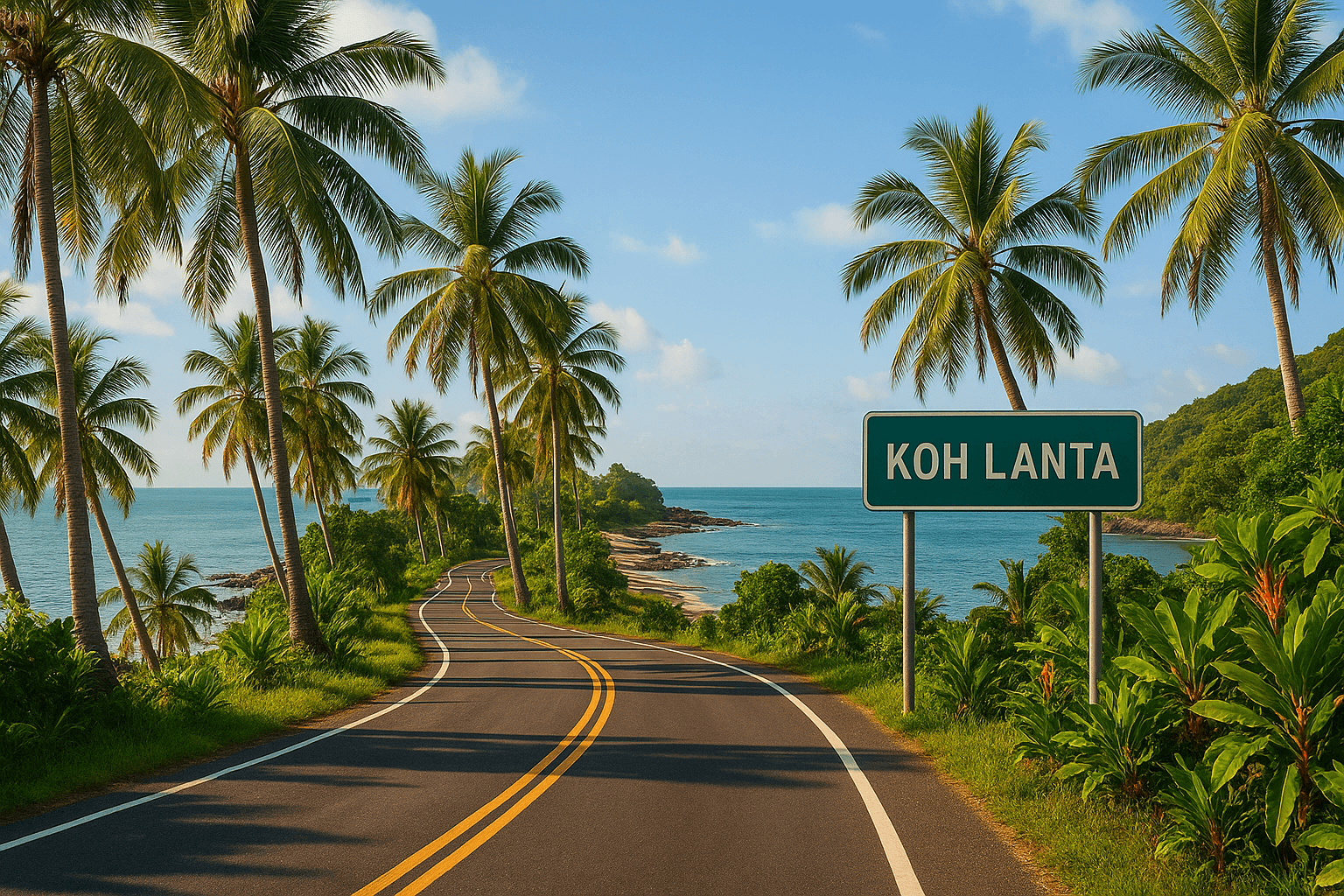
Pre-arrival essentials: documents, weather, and ATM coverage
Three pre-arrival items shape a Lanta trip more than the rest: the right driving documents, an honest read on the season, and enough cash to clear the southern-beach ATM gaps. For documents, apply for an IDP with the motorcycle "A" endorsement in your home country (AAA, CAA, UK Post Office, AA Australia) before you travel; the Royal Thai Embassy explicitly cannot issue one in-country. Verify with the Royal Thai Embassy's official guidance before you book your flight. For the season, the official Tourism Authority of Thailand publishes destination advisories; treat November-April as full-capacity high season, May-October as southwest monsoon with closed resorts and suspended ferries, and the early November and late April shoulder weeks as the price-to-weather sweet spot.
ATMs concentrate in Saladan, Klong Dao, and Phra Ae (Long Beach). The southern beaches at Klong Nin, Kantiang, and Bamboo Bay have fewer machines and many small restaurants are cash-only. Carry 3,000-5,000 THB in mixed denominations when you head south for the day. The full Lanta-side document set and on-the-ground rules are in the scooter rental requirements Krabi post.
Frequently Asked Questions
How do I get to Koh Lanta from Krabi Airport?
Krabi Airport (KBV) to Ko Lanta Yai takes 1.5-2 hours by private taxi (2,500-2,800 THB per vehicle) or 2-3 hours by shared minivan (350-400 THB per person). Both routes drive south on Highway 4, take the Hua Hin car ferry to Ko Lanta Noi, then cross the Siri Lanta Bridge to Lanta Yai. Minivans drop you at your hotel; taxis are direct, faster, and worth the premium for groups of 3-4.
Do Koh Lanta ferries run year-round?
No. The Krabi-Lanta passenger ferry and the Phuket-Lanta and Ao Nang-Lanta speedboats run only from approximately 1 November to 30 April each year. From May through October, the southwest monsoon makes the open Andaman crossing unsafe and operators suspend service. The year-round route is the minivan plus car-ferry combo via the Hua Hin pier and the Siri Lanta Bridge, which works in any weather.
What is the cheapest way to get to Koh Lanta?
The shared minivan plus car-ferry service is the cheapest option year-round at 350-450 THB per person from Krabi Town or Krabi Airport. It includes door-to-door pickup and drop-off at your Lanta hotel and runs hourly from 8:00 to 16:00. The high-season Krabi-Lanta passenger ferry is similarly priced at 400-500 THB but runs only twice daily.
Should I book transfers in advance?
Yes for high-season peak weeks. The Krabi-Lanta passenger ferry sells out days ahead during Christmas-New Year, Chinese New Year, and Songkran (mid-April); book 7-14 days in advance through the operator or a reputable aggregator. Outside the peak weeks, same-day or next-day booking is usually fine. Low season (May-October) has more flexibility but fewer running services.
Can I drive my rental car or motorbike to Ko Lanta Yai?
Yes. From Krabi, drive south on Highway 4 to Ban Hua Hin pier and take the short car ferry to Ko Lanta Noi. The fare is 50-100 THB per car or 50 THB per motorbike, plus 10 THB per passenger. From Ko Lanta Noi, the Siri Lanta Bridge connects to Ko Lanta Yai directly. The car ferry runs roughly 06:30-22:00; expect 10-90 minutes of queue depending on the time of day.
Is Phuket Airport or Krabi Airport better for Koh Lanta?
Krabi Airport (KBV) is closer and faster, with a 1.5-2 hour transfer to Lanta Yai including the car ferry. Phuket Airport (HKT) is 5-7 hours away by bus and car-ferry combo, or about 5 hours by Phuket-Krabi-Lanta sequence. Choose KBV unless your international flight only lands at HKT, in which case factor in the longer onward transfer or an overnight stop in Krabi Town or on Phi Phi.
What's the best way to get around Ko Lanta Yai once I arrive?
Rent a 125cc scooter for 200-300 THB per day. The island stretches 25 km north-to-south on a single west-coast road that's well-surfaced and easy to ride. Songthaews (shared pickup taxis) cover the same route for 30-80 THB per ride if you don't want to ride yourself. Rental cars at 1,000 THB per day suit families. Take the southern climbs to Kantiang and Bamboo Bay seriously; a Honda PCX 160 at 300-450 THB per day is a sensible upgrade for two-up riders.
Plan the rental waiting at Saladan
Once you've cleared the Hua Hin car ferry and the Siri Lanta Bridge, the next decision is how to move around the island for the rest of your stay. Booking a vetted Lanta scooter ahead of time means a working bike with a proper helmet is at your hotel when you arrive, instead of an hour walking Saladan in the heat looking for the cheapest shop. Compare partners, reviews, and pickup zones across Lanta at Byklo.rent and pair the rental with the wider context in the Koh Lanta travel guide, the top 10 Koh Lanta attractions list, and the Krabi travel guide for the mainland leg.