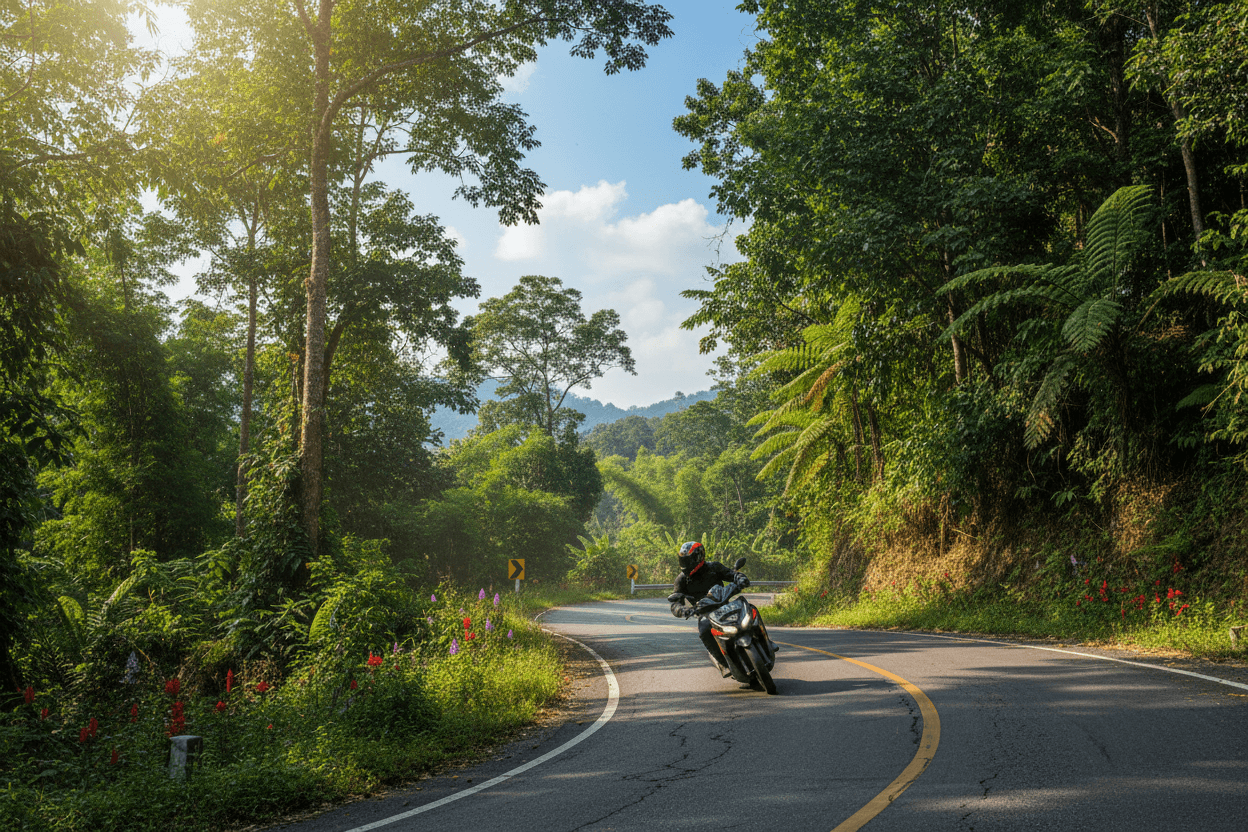
An ethical elephant sanctuary Chiang Mai visit in 2026 chooses from four genuinely no-ride operators: Elephant Nature Park (60 km north in Mae Taeng on Highway 107), Boon Lott's Elephant Sanctuary (BLES, 4-hour transfer toward Sukhothai), Elephant Highlands (40 km north of Pai, reachable on Route 1095), and the Sai Nyam Elephant Care Center (Karen-led, 70 km west). All four are no-ride, no-show, observation-and-feeding only. Half-day visits run 1,800-2,500 THB and full-day visits 2,500-3,500 THB; a 150-300 THB Honda Click 125 from the Old City reaches Mae Taeng's Elephant Nature Park gate in 75-90 minutes and saves the 1,000-2,000 THB van-transfer markup baked into most operator packages.
Key Takeaways
- Genuinely ethical shortlist: Elephant Nature Park (Mae Taeng, the Lek Chailert / Save Elephant Foundation flagship), Boon Lott's Elephant Sanctuary (BLES), Elephant Highlands (Pai), and Sai Nyam Elephant Care Center are the four no-ride, no-show, observation-only sanctuaries near Chiang Mai in 2026.
- Visit fees: half-day group visits run 1,800-2,500 THB per adult, full-day visits 2,500-3,500 THB, and overnight homestay or weekly volunteer programmes 6,000-15,000 THB. Children 4-11 typically get 50% off; under-4s usually free.
- Scooter rate as cost-saver: a 150-300 THB Honda Click 125 from any Old City rental shop reaches the Elephant Nature Park visitor centre in 75-90 minutes via Highway 107. Self-riding saves the 1,000-2,000 THB-per-couple van-transfer markup most operator packages bundle in.
- Bike class: a 110-125cc automatic handles Highway 107 to Mae Taeng comfortably; for Elephant Highlands in Pai (a 135 km Route 1095 ride with 762 curves), step up to a Yamaha NMAX or Honda PCX 160 at 250-450 THB/day.
- Booking lead time: 4-6 weeks ahead in November-February peak; 7-14 days in low season. Elephant Nature Park's day visits sell out fastest; overnight programmes can need 2-3 months.
- Avoid: any Mae Taeng or Mae Wang camp advertising elephant rides, painting, soccer, circus shows, or "wash your elephant" group bathing slots. These are not sanctuaries; they are entertainment camps using the word.
What makes a Chiang Mai elephant sanctuary genuinely ethical?
A genuinely ethical Chiang Mai elephant sanctuary in 2026 forbids riding, performances, painting, forced bathing, and bullhook use, and restricts visitor activity to observation, food preparation, and supervised feeding from elevated platforms. Logging was banned in Thailand in 1989 and stranded thousands of working elephants; the post-2010 sanctuary movement, led by Sangduen "Lek" Chailert and the Save Elephant Foundation, defines an ethical operator as one whose elephants live in herds across forest range, never carry humans, and never perform.
Five concrete checks separate a sanctuary from a re-branded camp. First, look for a written no-riding, no-show, no-bullhook policy on the operator's own website (not just on a TripAdvisor profile). Second, expect elephants to live in herds with chain-free daytime movement across at least several rai of forested land; chained elephants with a 5 metre radius are a camp red flag. Third, the activity menu should be observation, mahout storytelling, food preparation, and supervised feeding, not painting, soccer, circus shows, or scrub-the-elephant bathing. Fourth, mahouts should use voice and food rewards, not the metal hook; ethical operators publish their training methodology. Fifth, group sizes per elephant should stay under 6-8 visitors; a 30-person photo line is a camp pattern.
The fastest filter is the activity list: any Mae Taeng or Mae Wang operator advertising "ride, paint, soccer show, swim with elephants" inside a single half-day package is an entertainment camp. Genuine sanctuaries describe a slower experience: walk with the herd at distance, prepare bananas and rice balls, watch elephants self-bathe in the river, and listen to individual rescue stories. The Asian Captive Elephant Standards Lek Chailert helped develop are the international reference; reputable Chiang Mai operators reference them by name.
Top 4 ethical elephant sanctuaries near Chiang Mai
The four sanctuaries below are the genuinely ethical operators within day-trip range of Chiang Mai in 2026. Elephant Nature Park (Mae Taeng, 60 km north on Highway 107) is the flagship and the easiest to self-ride to. Boon Lott's Elephant Sanctuary sits past Sukhothai (4-hour transfer, weekend trip only). Elephant Highlands is a Pai-based no-contact observation operator on Route 1095. Sai Nyam Elephant Care Center is a Karen-led community sanctuary 70 km west of Chiang Mai.
Elephant Nature Park is the booking default for first-time visitors: the Save Elephant Foundation operates a transparent rescue programme with over 100 elephants, 4,000+ dogs, and 400+ cats on a 250-acre Mae Taeng valley site. Day visits run 2,500-3,500 THB depending on season; overnight Pamper-A-Pachyderm and weekly volunteer programmes start at 6,000 THB and 12,000 THB respectively. The Sai Nyam Elephant Care Center is the right pick if you prioritise community impact: the operator pays Karen mahouts a living wage and reinvests visitor fees into village schools rather than tour-bus marketing. Elephant Highlands is the no-contact purist option, suited to travellers already in Pai on a Pai travel guide trip. BLES is overnight-only and requires real commitment; it is the most rigorous ethical operator on the shortlist but not a casual day stop.
How to ride to Elephant Nature Park from the Old City
Elephant Nature Park sits 60 km north of Chiang Mai's Old City on Highway 107, a 75-90 minute scooter ride that costs roughly 80-100 THB in fuel on a Honda Click 125. Leave the Tha Phae Gate base at 06:30-07:00 to clear the city moat before traffic, ride Highway 107 north through Mae Rim to Mae Taeng village (40 km, 60 minutes), then turn onto the signed Elephant Nature Park access road for the final 20 km of valley road. Park inside the visitor-centre lot (free, supervised) and check in by 08:30 for the standard day-visit start.
A 110-125cc automatic Honda Click is the right tool for this route: Highway 107 is paved, two-lane, mostly flat, and the only sustained climb is a short 5% gradient north of Mae Rim. Riders going two-up on a Click feel under-geared on that stretch but make it; couples who want comfort should pay the 250-450 THB/day premium for a Honda PCX 160 or Yamaha NMAX. The Elephant Highlands trip in Pai is different: 175 km of Route 1095 with 762 curves and steep mountain switchbacks; a Yamaha NMAX, Honda PCX 160, or a 250-300cc manual is the comfortable minimum, and the Pai Loop scooter rental guide covers the bike-class step-up in detail.
Fuel costs are modest. Octane 91 sits at 38-42 THB/litre at the PTT and Bangchak stations along Highway 107; a Honda Click returns 45-50 km/litre, so the 120 km Mae Taeng round-trip uses about 3 litres or 120 THB total. The Elephant Highlands ride uses 200-250 km of fuel (180-220 THB on a NMAX). Self-riders also get the morning return flexibility: most Chiang Mai elephant operators run a fixed 16:00 valley-exit van convoy, while a self-ridden rental lets you stop at Mon Cham viewpoint, the Mae Sa Waterfall, or Bua Tong Sticky Falls on the way home, all reachable without a second rental day.
What to avoid: camps that aren't sanctuaries
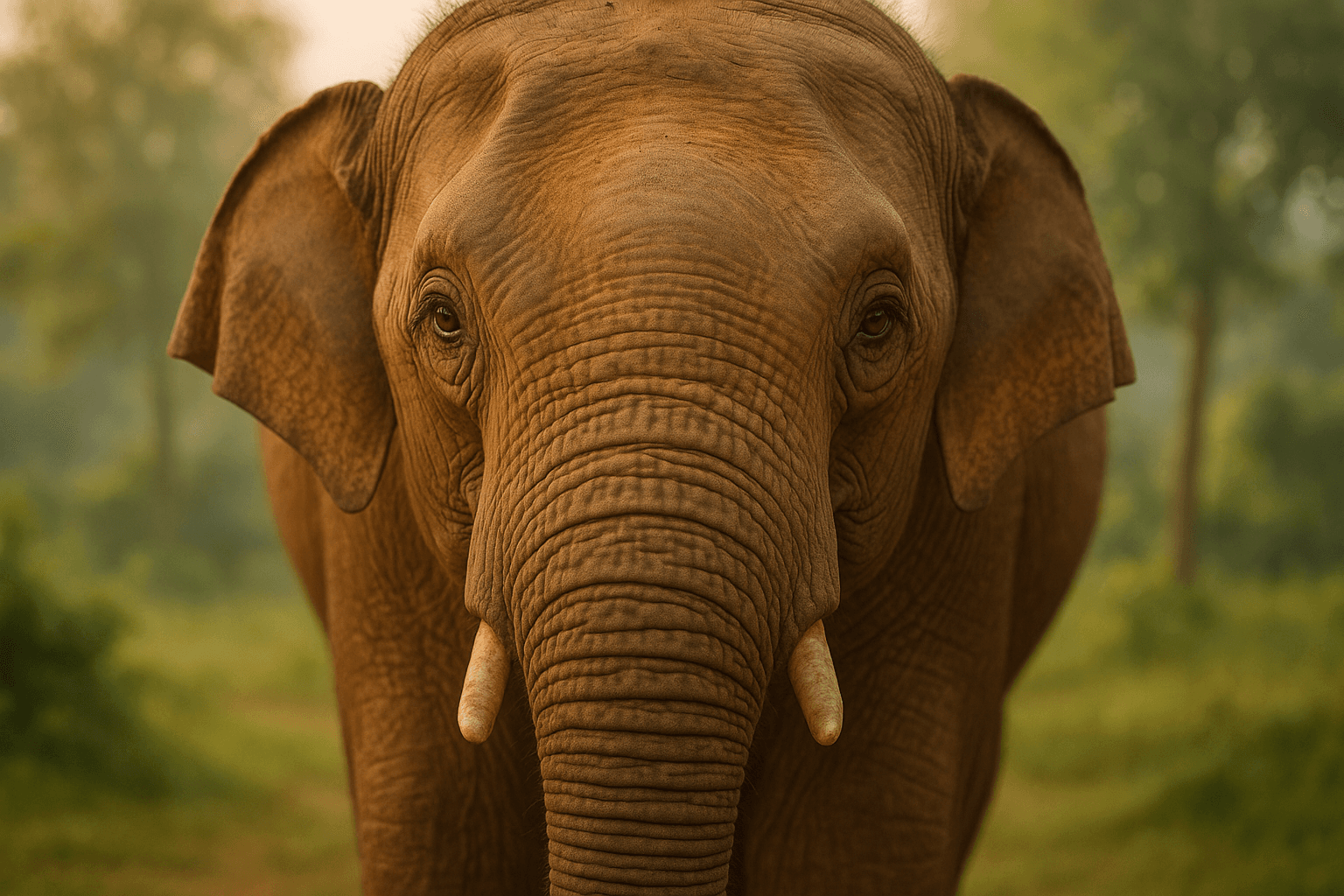
Several Mae Taeng, Mae Wang, and Mae Sa valley operators use the word "sanctuary" while still offering riding, painting, soccer, circus performances, and forced bathing. These are entertainment camps; the word change is marketing. The single fastest filter is the activity list on the operator's own page: any package that bundles riding, painting, "elephant football", a costumed photo session, or scrub-the-elephant group bathing inside a half-day timeline is not an ethical sanctuary regardless of branding.
The bullhook is the second filter. A bullhook (Thai: takhaw) is a metal hook used to enforce compliance through pressure on sensitive elephant skin. Ethical operators publish a no-bullhook policy and use voice cues and food rewards instead; camps continue to use the hook even where it is hidden during photo windows. If a mahout carries a hook visibly during your visit, the operator is not an ethical sanctuary.
The third filter is fleet size relative to land area. Genuine sanctuaries keep 1 elephant per 4-6 rai of forest range minimum (roughly 1 hectare per elephant) so the herd can move freely. Camps with 30-40 elephants on a flat 50-rai showground are storage operations. Visit, photograph, or pay any operator and the money pattern reproduces; choose the four sanctuaries above instead and the same 2,500-3,500 THB pays for genuine welfare work.
Best season and booking lead time
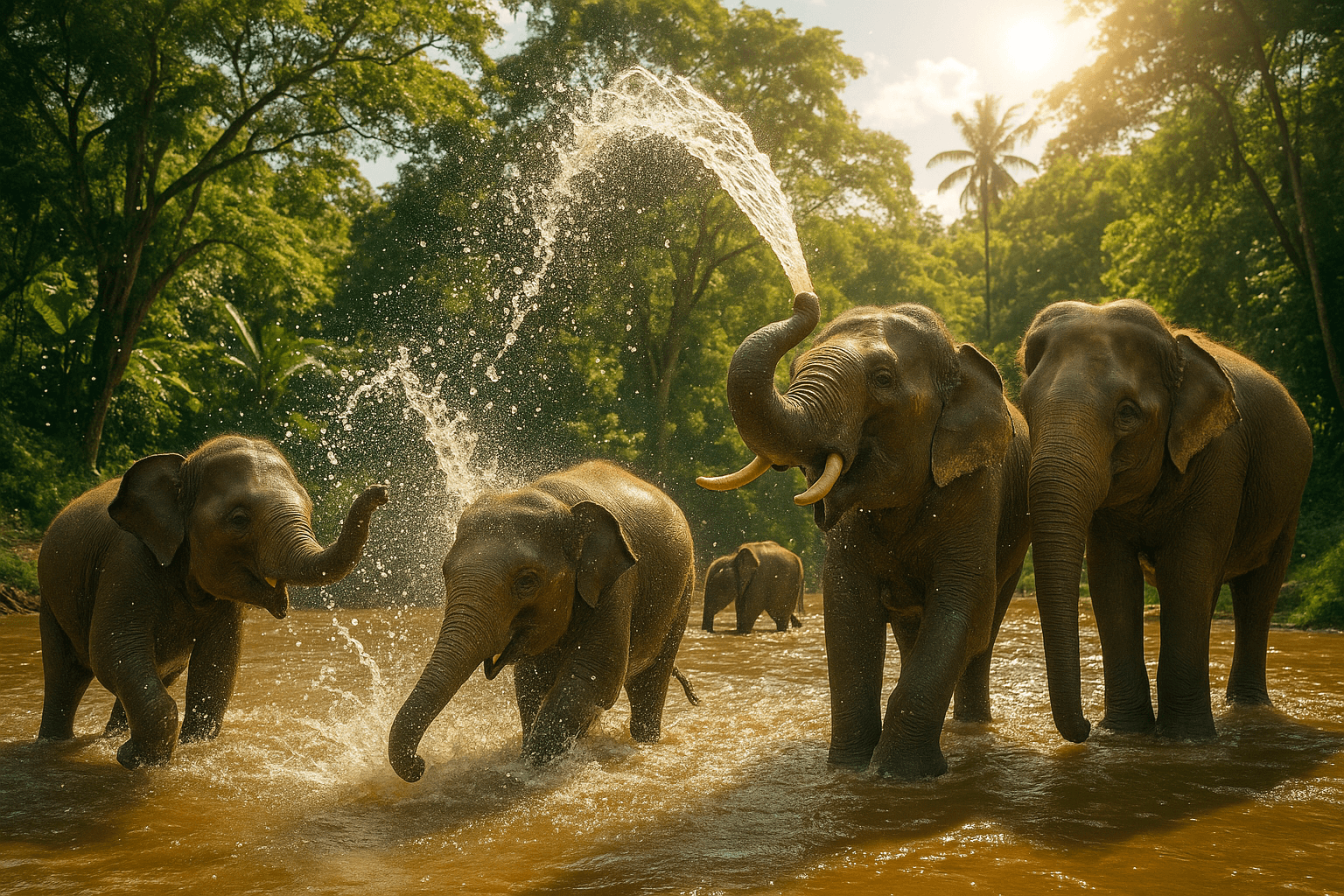
Chiang Mai's ethical elephant sanctuaries run year-round but split into three usable seasons. November to February is the dry-season peak: clear Mae Taeng valley views, comfortable 18-28 °C riding temperatures, and the highest demand. June to October is the green rainy season with daily 14:00-17:00 thunderstorm windows; sanctuaries stay open but the river crossings inside Elephant Nature Park can flood during heavy weeks. March to May is the burning season window where PM2.5 air quality routinely reads 150-300 µg/m³; plan your dates around this if respiratory health matters.
Booking lead time tracks the season. November-February peak demands 4-6 weeks ahead for Elephant Nature Park day visits and 2-3 months for overnight Pamper-A-Pachyderm or weekly volunteer programmes; Songkran week (April 13-15) and Yi Peng (early November) sell out earliest. June-October low season accepts 7-14 days lead time, and same-week walk-in slots are sometimes available at Sai Nyam or Elephant Highlands but not at Elephant Nature Park. Children 4-11 normally get 50% off; under-4s are usually free; sanctuaries with a strict 8+ age policy include some Pai operators because of forest-walk terrain.
The combined-day rental angle helps the booking calendar. A 5-day Chiang Mai itinerary can place the elephant sanctuary on Day 3 (after the Old City temples on Day 1 and Wat Phra That Doi Suthep on Day 2), keeping the same scooter rolling on Day 4 for a Doi Inthanon trip and Day 5 for the Saturday Walking Street. A confident rider can also fold the elephant visit into a Day 3 Samoeng Loop by booking the 08:00 Elephant Nature Park half-day, leaving Mae Taeng at 13:00, and joining the loop's Mon Cham viewpoint section by 15:00 for the 100 km return.
Frequently Asked Questions
How much does an ethical elephant sanctuary visit cost in Chiang Mai in 2026?
Half-day group visits run 1,800-2,500 THB per adult; full-day visits 2,500-3,500 THB; overnight Pamper-A-Pachyderm at Elephant Nature Park starts at 6,000 THB; weekly volunteer programmes 12,000-15,000 THB. Children 4-11 typically pay 50% and under-4s are free. Self-riding the 60 km from the Old City to Mae Taeng saves 1,000-2,000 THB per couple versus the bundled van transfer.
Can I ride a scooter from the Old City to Elephant Nature Park?
Yes. The 60 km Mae Taeng ride on Highway 107 is a 75-90 minute paved-road trip on a 110-125cc automatic Honda Click. Park inside the visitor-centre lot (free, supervised) and quote the scooter plate at the gate to use the visit-only rate. Couples should consider stepping up to a Honda PCX 160 or Yamaha NMAX (250-450 THB/day) for the two-up climb past Mae Rim.
How far in advance should I book?
Reserve 4-6 weeks ahead for Elephant Nature Park day visits in November-February peak; 2-3 months ahead for overnight or volunteer programmes. June-October low season accepts 7-14 days lead time. Songkran week (April 13-15) and Yi Peng (early November) sell out earliest. Sai Nyam and Elephant Highlands are usually easier to book on shorter notice than Elephant Nature Park.
Are these sanctuaries safe for children?
Yes. Elephant Nature Park, Sai Nyam, and most Karen-led operators welcome families with children 4 and up; some Pai-based operators set 8 as the minimum because of forest-walk terrain. Children must follow staff instructions on platform feeding, never approach an elephant unsupervised, and keep voices low. Sturdy closed-toe shoes are required; flip-flops are refused at the gate.
What is the difference between a sanctuary and an elephant camp?
A sanctuary forbids riding, performances, forced bathing, and bullhook use, and restricts visitor activity to observation, food preparation, and supervised feeding. A camp keeps any of those elements while branding the same site as a sanctuary. The cleanest filter is the activity list on the operator's own page: any package mixing riding, painting, soccer, costumed photos, or group scrub-bathing is a camp regardless of marketing language.
Can I see elephants without riding or bathing them?
Yes; that is exactly the ethical model. At Elephant Nature Park, Sai Nyam, Elephant Highlands, and BLES, the activity is observation: walk the river floor with the herd at distance, prepare bananas and rice balls, watch elephants self-bathe in the river on their own schedule, and listen to individual rescue stories. There is no scrubbing, no riding, and no forced contact at any of the four operators.
Should I rent a motorbike for the day or take the operator's van?
A 150-300 THB Honda Click 125 from the Old City beats the bundled van transfer on cost and flexibility. The 60 km Mae Taeng ride uses 80-100 THB of fuel and lets you fold Mon Cham viewpoint, the Samoeng Loop, or Bua Tong Sticky Falls into the same day. Operator vans cost 1,000-2,000 THB per couple and pin you to a fixed 07:00 pickup and 17:00 return.
Plan the elephant sanctuary day on your Chiang Mai rental
Pick up a 150-300 THB Honda Click 125 from any Tha Phae Gate or Nimman shop, ride 60 km north on Highway 107 to the Elephant Nature Park gate at Mae Taeng (75-90 minutes; 80-100 THB fuel), and combine the same rental day with Mon Cham and the Samoeng Loop, Bua Tong Sticky Falls, or Wat Phra That Doi Suthep on the return. Book the verified shop with delivery on Byklo and the bike arrives at your hotel before the 07:00 Mae Taeng departure window.
For wider Chiang Mai trip planning around the elephant sanctuaries, the Tourism Authority of Thailand Chiang Mai page covers transit, festivals, and the dry-season window the sanctuaries see heaviest volume.